



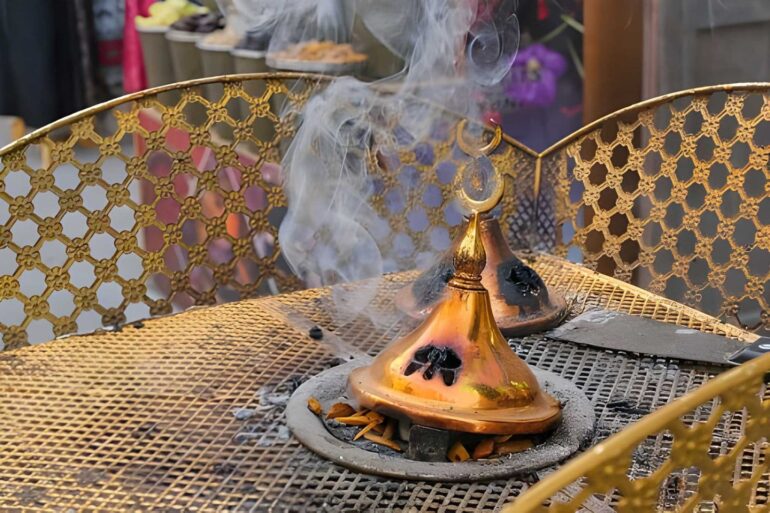
Choosing between charcoal and electric burners depends on whether you want a traditional ritual or a modern, smoke-free experience.
Both methods help you enjoy beautiful scents, but they work in very different ways.
If you love the ceremony of rising smoke and glowing embers, a charcoal burner is your best bet for raw resins.
However, if you want a simple way to enjoy bakhoor oud in your bedroom or office, an electric burner offers a cleaner and more consistent scent.
Understanding the Basics: Why the Burner Matters
The way you heat your incense changes everything from the smell to the amount of smoke in the room.
Some people use incense for spiritual rituals, while others just want their home to smell like a luxury hotel. Knowing the difference between direct and indirect heat will help you pick the right tool for the job.
Charcoal uses direct heat, which means the incense actually burns alongside the coal.
This creates a lot of smoke and a very powerful scent. Electric burners use indirect heat, warming a metal plate to release the fragrance oils slowly.
This method produces almost no smoke, making it much better for small apartments or sensitive lungs.
Charcoal vs. Electric Burners: The Face-Off
This guide helps you compare the two most popular ways to fill your home with fragrance.
| Feature | Charcoal Burner | Electric Burner |
| Heat-up time | 2–5 minutes | 3–10 minutes |
| Smoke level | Moderate to heavy | Very low to none |
| Ideal incense | Raw resins and powders | Wood chips and bakhoor |
| Skill level | Moderate (requires care) | Beginner-friendly (plug-in) |
Method 1: The Traditional Charcoal Burner
Charcoal burners are perfect for people who enjoy the ancient art of incense.
There is something very relaxing about watching the smoke rise and listening to the charcoal crackle. This method is the “gold standard” for burning raw resins like frankincense or copal because they need high heat to melt properly.
Because charcoal creates a lot of smoke, it is often used for “smudging” or clearing the energy in a large room. It feels more like a ceremony than just a way to add scent.
However, since it involves an open fire, you have to be more careful when using it indoors.
How to Burn Incense with Charcoal (Step-by-Step)
- Prepare the base. Fill your burner with heat-resistant sand or ash. This protects the burner from getting too hot and helps the charcoal stay level.
- Light the charcoal. Use metal tongs to hold a charcoal disk. Hold a lighter to the edge until it starts to spark. This usually takes about 10 to 30 seconds.
- Wait for the grey ash. Set the charcoal on your sand base and wait a few minutes. Once it is covered in a light layer of grey ash, it is ready.
- Place the incense. Drop a small amount of resin or powder directly onto the hot charcoal. You will see a burst of fragrant smoke immediately.
- Refresh as needed. As the scent fades, you can add more incense. One charcoal disk usually stays hot for about an hour.
Method 2: The Modern Electric Burner
Electric burners are the best choice for a busy, modern lifestyle.
They offer a clean experience because there is no ash, no fire, and very little smoke. Most units come with a thermostat dial, so you can decide exactly how hot you want the plate to be.
These burners are perfect for offices or homes with children and pets because there is no open flame to worry about. They allow the natural oils in wood chips and bakhoor to release slowly, which often makes the scent last much longer than it would on charcoal.
How to Use an Electric Incense Burner
- Set the heat. Plug in your burner and turn the dial to a low or medium setting. For wood chips like oud, a lower heat prevents the wood from smelling scorched.
- Use a liner. Many people put a small piece of aluminum foil on the heating plate. This makes cleanup easy because the melted resin won’t stick to the burner.
- Place the incense. Put your bakhoor or resin pieces directly on the plate or foil. The heat will gradually pull the oils out, creating a gentle vapor.
- Turn it off. When you are finished, just flip the switch. Many modern burners even have timers that turn the heat off for you automatically.
Which Incense Type Goes with Which Burner?
Not all incense is the same. Some items need a lot of heat, while others are very delicate.
- Resins: Frankincense and Myrrh shine on charcoal. The high heat brings out their deep, balsamic notes.
They can work on electric burners too, but the smell will be much softer. - Wood Chips: Oud and Sandalwood are best on electric burners. Controlled heat pulls out the expensive oils without burning the wood too fast.
- Bakhoor: These scented bricks work great on both. Charcoal gives you a fast “smoke burst” for the whole house, while electric burners offer a slow, steady scent that lasts all afternoon.
Safety and Maintenance Tips for Beginners
Whether you choose fire or electricity, safety should come first.
Always keep your burner on a flat, heat-resistant surface away from curtains or papers. If you are using charcoal, remember that the burner will stay hot for a long time even after the incense stops smoking.
Ventilation is very important. Always crack a window slightly to keep the air fresh, especially when using charcoal. If you have pets like birds or cats, be extra careful.
Birds have very sensitive lungs and should never be in a room with heavy incense smoke. For a safer home, stick to electric burners and keep the sessions short.
Choosing Your Scent Journey
The best burner is the one that fits your daily routine.
If you want a powerful, ritual-style experience for deep cleaning and meditation, go with charcoal. It is authentic, traditional, and very rewarding.
If you want a safe, easy way to make your bedroom smell amazing while you study or relax, the electric burner is the winner. It is consistent, low-maintenance, and perfect for beginners. Both methods will help you enjoy the wonderful world of Arabian scents in your own home.