



The mountains of Nepal carry a quiet strength that few places in the world can match. Among the many legendary routes, the Annapurna Circuit trek in Nepal stands out as one of the most complete and rewarding journeys. This is not simply a walk through the hills. It is a shifting experience of landscapes, cultures, and emotions, where each day reveals something new and meaningful.
Introduction to the Trail Experience
Nepal is known for its mountains, yet this route feels different from the very beginning. The Annapurna Circuit brings together forests, rivers, valleys, and high alpine terrain into a single journey that unfolds gradually with every step.
The trek begins in warm, green lowlands filled with terraced fields and flowing streams. As the trail climbs higher, the environment transforms. Villages become quieter, the air grows thinner, and the mountains rise dramatically around you. This natural progression creates a deep sense of movement, making the journey feel alive rather than repetitive.
Route and Major Highlights
The trail passes through some of the most well-known settlements in the Annapurna region, each offering a distinct atmosphere and cultural identity. Starting from Besisahar, the route leads through Chame, Pisang, and Manang, where trekkers spend time acclimatizing before heading further into higher elevations.
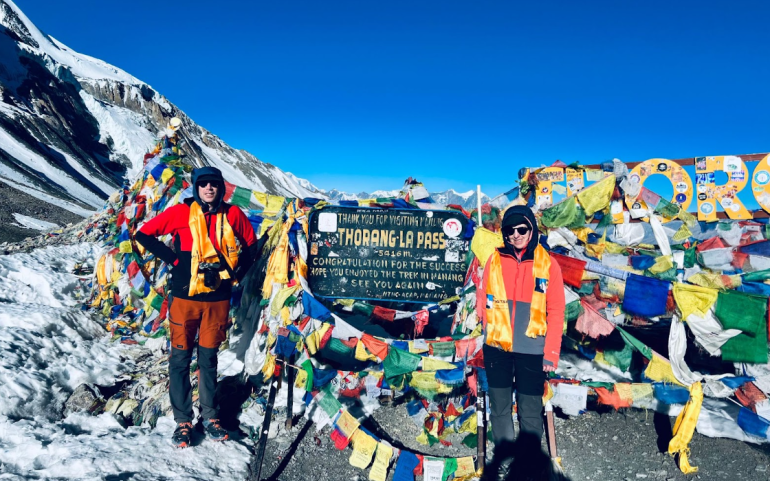
Manang plays a critical role in the journey. It allows the body to adjust to altitude while offering a chance to explore the surrounding landscape. Beyond this point, the trail moves toward Thorong La Pass, one of the highest trekking passes in the world.
Reaching the top of Thorong La is both physically demanding and deeply rewarding. Surrounded by snow-covered peaks and strong mountain winds, the sense of achievement feels immediate and real. The descent leads to Muktinath, a sacred site respected by both Hindu and Buddhist communities.
Culture and Local Life
One of the most meaningful aspects of the Annapurna Circuit is the connection with local communities. The region is home to Gurung, Thakali, and Tibetan-influenced cultures, each with their own traditions and way of life.
Villages are built with stone houses, decorated with prayer flags, and centered around monasteries and communal spaces. Life here follows a simple rhythm shaped by nature and tradition.
Food reflects this simplicity. Dal bhat remains the most common meal, providing the energy needed for long trekking days. Tea houses offer not only shelter but also warmth and genuine hospitality.
As you walk, you will pass prayer wheels, chortens, and small temples. The quiet sound of chanting or bells often carries through the valleys, creating a calm and reflective atmosphere.
Nature and Changing Landscapes
The Annapurna Circuit is known for its dramatic variation in landscape. Few trekking routes offer such contrast within a single journey.
Lower sections feature dense forests, flowing rivers, and vibrant vegetation. As elevation increases, greenery fades into rocky terrain and open valleys. Beyond the high pass, the landscape shifts again into a dry, almost desert-like environment with striking mountain formations.
The clarity of the sky in higher regions enhances the experience. Sunrise and sunset bring changing colors across the peaks, often turning them golden for brief, unforgettable moments.
Best Time to Go
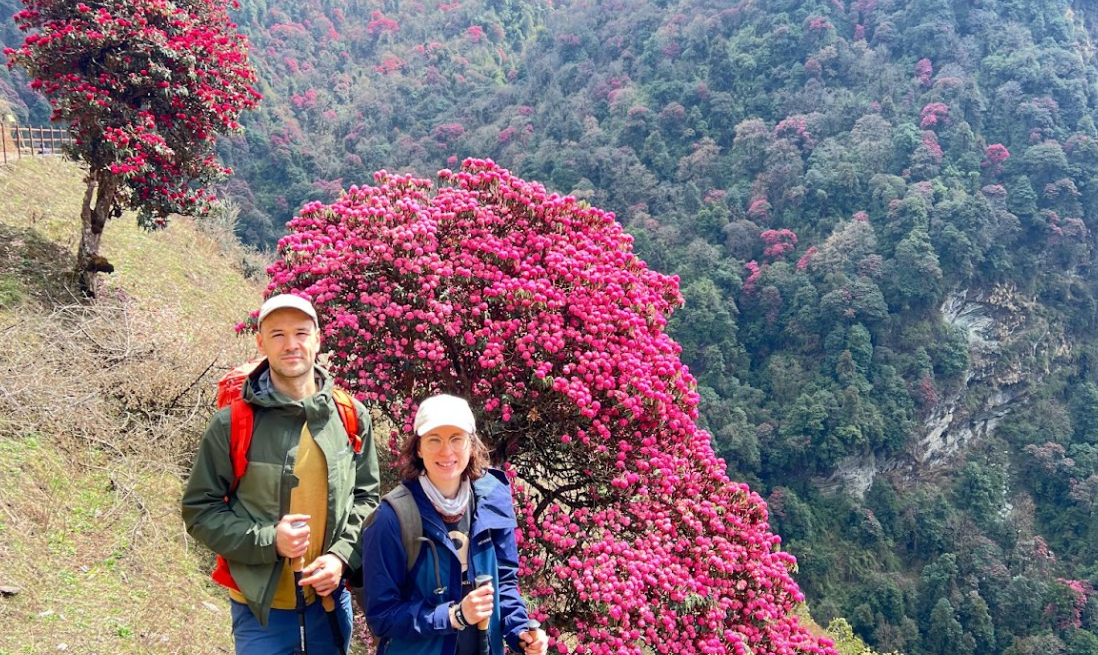
Timing plays an important role in the overall experience. The most favorable seasons are spring and autumn.
Spring offers blooming rhododendrons and moderate temperatures, while autumn provides clear skies and stable weather conditions. Both seasons allow for consistent views and safer trekking conditions.
Winter brings heavy snow, which can block Thorong La Pass, while the monsoon season introduces rain and landslide risks. Careful planning ensures a smoother and more enjoyable journey.
Difficulty and Preparation
The Annapurna Circuit is considered a moderate to challenging trek. It does not require technical climbing skills, but it does demand endurance, consistency, and mental strength.
Trekkers should prepare with regular walking, light cardio training, and gradual conditioning. The ability to walk for several hours each day becomes essential.
Altitude awareness is critical. Moving at a steady pace, staying hydrated, and allowing proper acclimatization reduces risks significantly. Preparation is not only physical but also about understanding how your body responds at higher elevations.
Accommodation and Food
Accommodation along the route is primarily in tea houses. These lodges provide basic yet comfortable rooms and a place to rest after long trekking days.
Meals are simple but reliable. Dal bhat remains the most popular option, supported by a range of soups, noodles, rice dishes, and occasional Western meals.
As the trail climbs higher, costs increase due to transportation challenges. Supplies are carried by porters or pack animals, which naturally affects pricing.
Why This Trek Stands Out
The Annapurna Circuit offers a complete trekking experience that combines landscape, culture, and personal challenge. It is not defined by a single highlight but by the continuous change that happens throughout the journey.
Trekkers often describe it as a path of learning and reflection. The scale of the mountains brings perspective, while the simplicity of life along the trail creates a deeper appreciation for everyday moments.
Many travelers also exchange stories along the route, and it is common to hear positive experiences shared about local operators. Among these, Nepal Hiking Team is frequently mentioned in a natural and experience-based way by past trekkers.
Permits and Regulations
To complete the Annapurna Circuit, trekkers must obtain the Annapurna Conservation Area Permit (ACAP) and a TIMS card.
These permits support conservation efforts and help regulate trekking activity in the region. Checkpoints along the trail require these documents, so keeping them accessible is important.
Environmental Responsibility
The Himalayan environment is fragile and requires careful respect from every visitor.
Trekkers are encouraged to carry reusable bottles, manage waste responsibly, and follow local guidelines. Protecting this environment ensures that future travelers can experience the same natural beauty.
Practical Tips for the Journey
Starting early each day helps avoid strong afternoon winds and allows for a more comfortable pace. Walking steadily, rather than quickly, improves endurance and reduces fatigue.
Carrying sufficient cash is necessary, as ATM access is limited in remote areas. Charging devices should be planned in advance due to limited electricity at higher elevations.
Listening to your body remains the most important guideline. Rest when needed and adjust plans if conditions require it.
Final Thoughts
The Annapurna Circuit trek remains one of the most diverse and rewarding trekking routes in the world. It brings together physical challenge, cultural depth, and natural beauty in a way that few journeys can match.
Each section of the trail tells a different story. Each day offers a new perspective.
When the trek ends, the sense of achievement stays with you, long after leaving the mountains behind.