



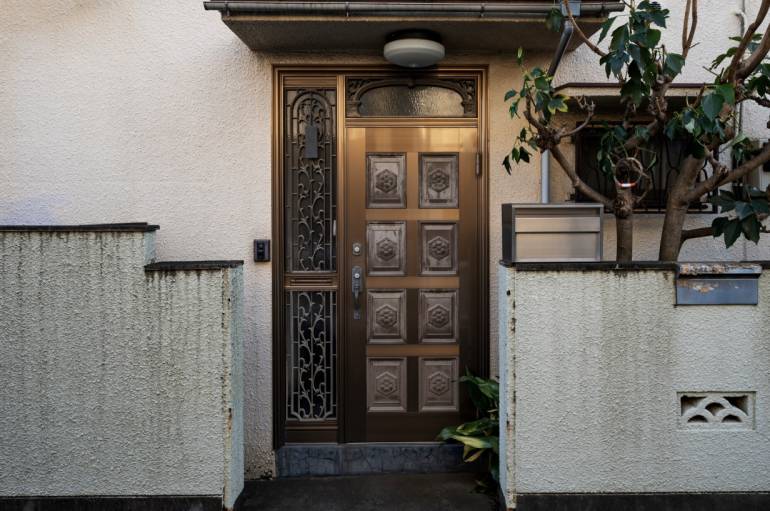
You have about seven seconds.
That is how long a buyer, a guest, or an appraiser takes to form a first impression of your property. Before they step inside, before they see the kitchen renovation or the updated bathrooms, they have already made a judgment. And the front entrance is the centerpiece of that moment.
A custom front door is one of the few home improvements that delivers returns in three separate directions at once: resale value, appraisal performance, and day-to-day curb appeal. Understanding how those returns break down helps you decide whether the investment makes sense for your situation right now.
What Does the Data Say About Front Door ROI?
The numbers are compelling and consistent across multiple sources.
Remodeling Magazine’s annual Cost vs. Value report consistently ranks entry door replacement among the highest-returning exterior upgrades available to homeowners. A fiberglass door replacement returns an average of 63 to 68 percent of the project cost at resale. Steel entry replacements return even higher at 65 to 70 percent on average.
Custom doors push that figure further because they deliver something a stock replacement cannot: differentiation. In competitive housing markets, a distinctive entryway generates more buyer interest, which translates to faster sales and stronger offers.
The National Association of Realtors puts the perceived value of an upgraded front entrance at approximately $3,500 above the actual improvement cost in buyer willingness to pay. That is not the cost recovery. That is the cost recovering plus a premium.
Why Does a Custom Door Outperform a Standard Replacement?
A stock door from a big-box retailer solves the functional problem. It opens, closes, and locks. What it does not do is communicate anything distinctive about the property.
Custom fabrication changes the calculus. A door built to the specific proportions of the opening, finished in a color that complements the facade, and fitted with hardware selected for the architectural style of the structure tells a coherent visual story. That coherence registers with buyers even when they cannot articulate why.
There is also a practical dimension. Custom doors are built to exact measurements, which means better sealing around the frame, less air infiltration, and improved thermal performance. That improvement shows up in reduced heating and cooling expenditures, which is a measurable financial benefit beyond the aesthetic upgrade.
How Do Buyers Actually Respond to Entry Upgrades?
A research team from the National Association of Realtors asked buyers to rank the exterior features that most influenced their impression of a property. Curb appeal and the front entrance ranked second only to overall condition.
Buyer behavior follows stated preference. Listings with updated entryways generate more showing requests and spend fewer days on the market. In hot segments like the Denver metro area foothills, where properties in towns like Golden attract buyers who have multiple comparable options, exterior differentiation becomes a meaningful competitive advantage.
This is why specialists offering Custom Front Door Golden CO installations see consistent demand from sellers preparing to list, not just homeowners renovating for personal enjoyment. A targeted exterior upgrade before listing is one of the most efficient uses of pre-sale renovation dollars available.
What Materials Deliver the Best Return?
Fiberglass
Fiberglass is currently the leading choice for return on investment across most markets. It resists warping, denting, and moisture damage better than wood. It accepts paint or stain finishes that mimic the visual warmth of timber without the maintenance requirements. Energy efficiency ratings are strong, which supports appraisal value in climate-conscious markets.
Steel
Steel doors offer excellent security ratings and strong insulation values when foam-core filled. They cost less than fiberglass at comparable quality levels, which improves the return percentage. The limitation is design flexibility. Steel is harder to customize into non-rectangular profiles or carved panel configurations.
Wood
Solid wood delivers an unmatched visual impact and responds well to intricate carving and inlay work. It is also the highest-maintenance option. Properties in climates with significant humidity swings require periodic refinishing to prevent deterioration. For buyers prioritizing aesthetics over lifecycle cost, wood remains the premium selection.
Iron and Glass Combinations
Wrought iron paired with decorative glass panels creates a distinctive profile that photographs exceptionally well. Strong performance in elevated price brackets where buyers expect a premium exterior presentation. Installation costs are higher, but so is the perceived value ceiling.
Beyond Resale: What Else Does a New Entry Deliver?
The financial return at sale is the headline number. It is not the complete picture.
Energy savings accumulate from day one. A properly fitted custom door with quality weatherstripping reduces drafts that older or poorly sealed stock doors allow. Over a ten-year ownership period in a heating-dominant climate, those savings represent a meaningful offset against installation expense.
Insurance implications. Upgraded doors with certified security ratings can qualify for homeowner’s insurance premium reductions. Multi-point locking systems and reinforced frames lower the statistical risk profile insurers assign to the property.
Personal enjoyment. This is the metric that rarely appears in cost vs. value reports but matters significantly to the people living in the home. Arriving at an entrance that reflects your aesthetic preferences and functions precisely as intended is a daily quality-of-life benefit that compounds over time.
What Should You Spend to Get a Meaningful Return?
The project budget should align with the surrounding property value. Over-improving relative to the neighborhood reduces the return percentage even when the door itself is excellent.
A reasonable guideline: spend between one and two percent of the home’s current market value on the entry upgrade. For a $500,000 property, that range is $5,000 to $10,000, which covers custom fabrication, hardware, frame preparation, and professional installation at quality levels that generate buyer attention.
Spending less than that often means reverting to stock options that do not differentiate. Spending significantly more risks improvements that exceed what the local market will reward.
When Is the Right Time to Make This Investment?
Three scenarios make the timing clear.
Before listing for sale. The return window is immediate. Improved photographs, stronger buyer impressions at showing, and faster sale timelines all follow.
After purchasing a home that needs exterior work. Installing the right entry early means years of personal enjoyment before any eventual sale benefit is realized.
During a broader exterior renovation. Coordinating door replacement with paint, landscaping, or lighting upgrades multiplies the visual effect of each individual improvement.
The Bottom Line
A custom front entrance is one of the most efficient exterior investments a homeowner can make. It recovers strongly at resale, influences buyer perception before a single interior space is seen, delivers ongoing energy and security benefits, and adds daily satisfaction for the duration of ownership.
The question is not really whether the upgrade adds value. The data answers that clearly.
The real question is how much of that value you want to capture, and whether this is the right moment to act.