



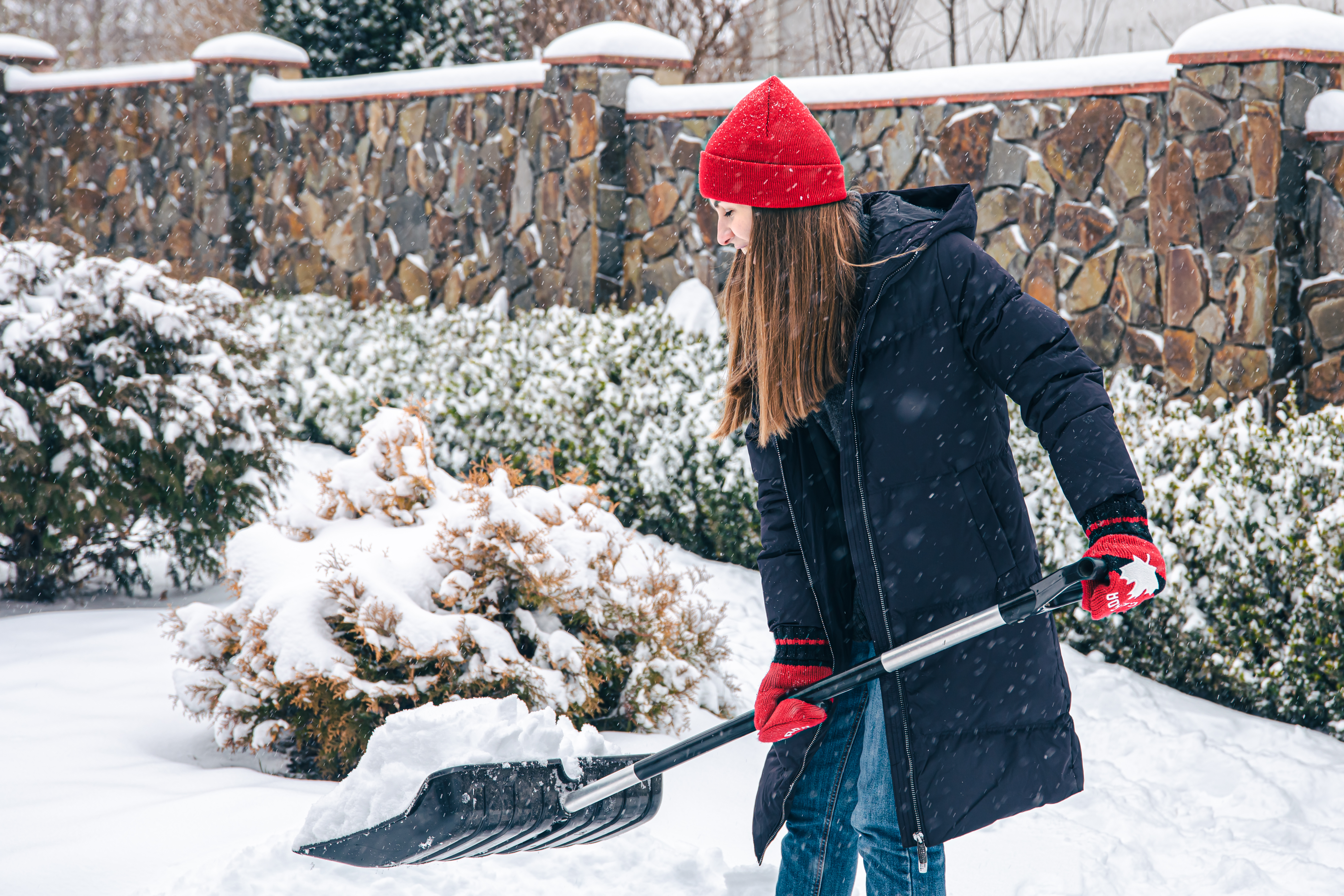
Winter weather places steady pressure on residential properties, especially when snow is allowed to accumulate over time. What begins as a light layer can quickly develop into a source of damage that affects surfaces, drainage, and structural stability. Homeowners who take a proactive approach to managing winter conditions often avoid many of the costly issues that appear once the season ends. Consistent attention during winter supports long-term property care rather than short-term fixes.
Snow management is not only about clearing paths for movement. It directly impacts how outdoor materials respond to moisture, freezing temperatures, and repeated weather cycles. When snow remains in place too long, it creates conditions that accelerate wear and weaken surfaces. Addressing buildup early helps maintain the condition and appearance of a property through the coldest months.
Many homeowners recognize Snow Shovelers as an example of how organized winter maintenance contributes to better property outcomes and fewer seasonal repairs.
The Hidden Impact of Snow Buildup
Snow accumulation affects properties in ways that are not always immediately visible. As snow settles, it traps moisture against driveways, walkways, and foundations. When temperatures fluctuate, this moisture melts and refreezes, expanding within small cracks and joints. Over time, this repeated cycle leads to surface deterioration.
Heavy snow also adds physical weight to outdoor structures. Retaining walls, steps, and decks experience added stress when snow is not removed regularly. Even if visible damage does not occur right away, prolonged pressure can weaken materials and shorten their lifespan. Removing snow consistently reduces these hidden stresses.
Freeze and Thaw Damage
One of the most damaging winter processes is the freeze-thaw cycle. During warmer moments, snow melts and allows water to penetrate porous surfaces such as concrete and asphalt. When temperatures drop again, that water freezes and expands, causing cracks to widen.
Repeated cycles throughout the season accelerate surface breakdown. Small fractures grow larger, leading to uneven pavement or crumbling edges. Proactive snow removal limits the amount of water that can seep into these surfaces, slowing the progression of freeze-related damage and preserving structural integrity.
Protecting Driveways and Walkways
Driveways and walkways are especially vulnerable during winter. These high-traffic areas experience constant pressure from foot traffic and vehicles, which compress snow into dense layers. Once compacted, snow becomes harder to remove and more likely to turn into ice.
Clearing snow promptly helps maintain smooth, level surfaces. It also prevents ice from bonding tightly to pavement, which can require aggressive removal methods that damage the surface. Maintaining these areas throughout winter reduces the likelihood of costly repairs once spring arrives.
Drainage and Water Flow Issues
Proper drainage is essential for protecting property, and snow buildup often interferes with it. When snow blocks natural runoff paths, meltwater has nowhere to go. This causes pooling near foundations, driveways, and low-lying areas.
Standing water that refreezes creates ice patches and adds pressure to surrounding materials. Over time, poor drainage can contribute to foundation issues or soil erosion. Regular clearing supports proper water flow and reduces the risk of long-term moisture-related damage.
Landscaping and Soil Protection
Snow accumulation also affects landscaping and soil health. Heavy snow piles placed repeatedly in the same areas compress soil and damage plant roots. As snow melts, excessive moisture can oversaturate soil, leading to erosion or plant stress.
Thoughtful snow placement and timely clearing help protect lawns, shrubs, and garden beds. When snow is managed carefully, landscaping recovers more easily in spring. This approach preserves curb appeal and reduces the need for seasonal restoration work.
Preventing Ice Bonding
Ice that bonds directly to pavement is difficult to remove without damaging the surface. This often happens when snow is allowed to partially melt and refreeze repeatedly. Once bonded, ice requires more effort, time, and sometimes harsh materials to clear.
Consistent snow removal prevents these conditions from forming. By keeping surfaces clear, homeowners avoid the need for aggressive scraping or excessive ice control products. This gentler approach supports surface longevity and safer winter conditions.
Long-Term Cost Benefits
Proactive winter maintenance often results in financial savings over time. Small investments in regular clearing reduce the likelihood of major repairs caused by cracked pavement, damaged landscaping, or water intrusion. Preventative care costs less than corrective work after damage has occurred.
Snow removal performed consistently also extends the usable life of outdoor surfaces. Driveways, walkways, and steps that are protected during winter require fewer repairs and replacements. This preservation supports overall property value and reduces unexpected expenses.
The Role of Professional Support
Managing snow effectively throughout an entire winter can be demanding, especially during periods of frequent storms. Professional assistance ensures that clearing is performed consistently, even when weather conditions are unpredictable.
Snow Shovelers offers reliable support that helps homeowners maintain property conditions during challenging winter periods. Professional crews understand how to clear snow while protecting surfaces and managing placement to avoid long-term issues.
Adapting to Changing Winter Conditions
No two winters are the same. Shifts in temperature, snowfall frequency, and storm intensity require flexible maintenance strategies. Staying attentive to weather patterns allows homeowners to adjust their approach as conditions change.
Proactive snow removal adapts to these variations, preventing small issues from becoming larger problems. This adaptability ensures that properties remain protected regardless of how unpredictable winter weather becomes.
Building a Preventative Maintenance Mindset
Viewing winter care as preventative maintenance changes how homeowners approach snow management. Rather than reacting to hazardous conditions, proactive planning keeps surfaces clear and protected from the start.
Maintaining tools, scheduling regular clearing, and monitoring vulnerable areas all contribute to better outcomes. This mindset reduces stress and supports a more manageable winter season overall.
Conclusion
Proactive snow removal plays a key role in protecting property value and reducing winter-related damage. By limiting moisture exposure, supporting proper drainage, and preserving outdoor surfaces, homeowners prevent many common issues before they begin. Consistent clearing helps maintain structural stability and appearance throughout the season.
Snow Shovelers reflects the value of reliable winter maintenance that prioritizes long-term property protection and responsible snow management practices.