



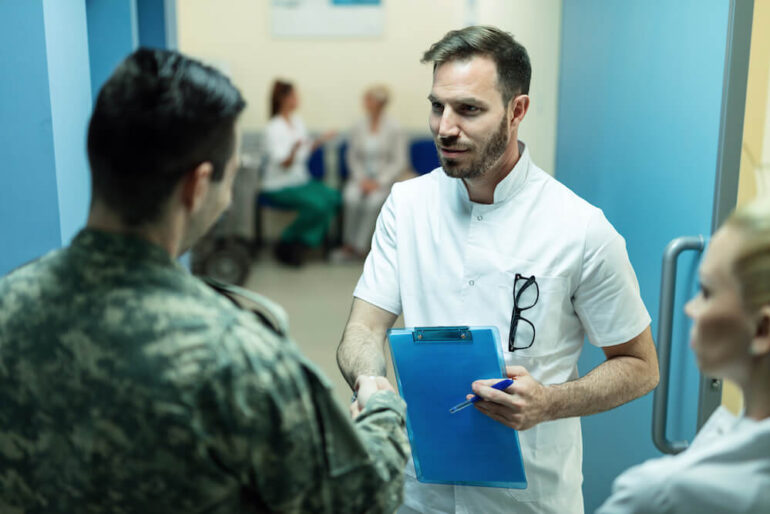
Veterans face unique challenges when it comes to substance use and recovery. Military service can involve intense stress, long periods away from support systems, physical injuries, and experiences that are difficult to process after returning home. For some veterans, drugs or alcohol become a way to cope with anxiety, depression, trauma symptoms, chronic pain, or sleep disruption. Over time, what started as coping can turn into dependence.
The good news is that specialized addiction treatment programs exist specifically to support veterans. These programs often combine evidence-based addiction care with trauma-informed therapy and an understanding of military culture. If you are exploring your options, starting with veteran drug treatment centers can help you understand what veteran-focused care may include and how to take the next step.
Why Veteran-Focused Treatment Can Be More Effective
Addiction treatment is not one-size-fits-all. Veterans may need services that address the full picture, including:
- post-traumatic stress symptoms and trauma exposure
- depression, anxiety, or grief
- traumatic brain injury (tbi) or cognitive changes
- chronic pain or disability-related stress
- challenges adjusting to civilian life and identity shifts
Veteran-focused programs may also offer peer support environments where participants feel understood by others with similar experiences. That shared language and understanding can reduce isolation and make it easier to engage in treatment.
Signs You May Benefit From Professional Support
Many veterans hesitate to seek help because they feel they should be able to handle it themselves. However, addiction is a health condition, not a personal failure. Professional support can be helpful if you notice:
- increasing use over time or difficulty cutting back
- withdrawal symptoms when you stop using
- using to manage stress, sleep, or emotional pain
- problems at work, home, or in relationships
- risky behavior while using
- multiple attempts to quit without lasting success
If these patterns sound familiar, structured care can provide tools and stability that are hard to create alone.
The Main Ways Veterans Access Addiction Treatment
There are several common pathways into specialized care. The best option depends on your benefits, location, and the level of support you need.
VA Health Care
Many veterans can access substance use disorder treatment through the U.S. Department of Veterans Affairs. VA options can include outpatient counseling, residential treatment programs, medication support, and referrals for more intensive care.
If you are already enrolled in VA health care, reaching out to your local VA medical center or primary care provider is often the fastest path to an assessment.
TRICARE Coverage
Some veterans and military families have TRICARE coverage, which may include benefits for detox, inpatient rehab, outpatient programs, and therapy. TRICARE coverage can involve network requirements and authorization steps depending on the plan type.
Private Insurance or Self-Pay
Many veterans also have private insurance through an employer or individual plans. These benefits may cover detox, inpatient, partial hospitalization, or outpatient care when deemed medically necessary. Some people choose self-pay options for added flexibility or faster admission.
Regardless of the payment method, most reputable programs can help verify benefits and explain expected out-of-pocket costs.
Understanding Levels of Care
Specialized programs for veterans may offer multiple levels of care. A clinical assessment typically determines what is appropriate.
Medical Detox
Detox is the process of clearing substances from the body while managing withdrawal symptoms. Withdrawal can be uncomfortable and, for some substances, medically dangerous without supervision. Detox provides monitoring, medication support when appropriate, and stabilization.
Inpatient or Residential Rehab
Residential treatment provides 24/7 structured care in a live-in setting. This level of care can be especially helpful for veterans who need a stable environment away from triggers or who have co-occurring mental health conditions requiring closer support.
Partial Hospitalization or Intensive Outpatient Programs
These programs provide structured therapy and clinical support while allowing participants to return home in the evenings. They can be a good fit for veterans who need significant support but have a stable living environment.
Outpatient Counseling and Aftercare
Long-term recovery often includes ongoing outpatient therapy, group support, and relapse prevention planning. Aftercare is especially important for veterans who are navigating stressors like reintegration, family dynamics, or work transitions.
What Makes Treatment “Specialized” for Veterans
Veteran-focused programs often include elements that directly address military experience and related stressors. This may include:
- trauma-informed therapy and ptsd-aware clinical approaches
- counseling for moral injury, grief, or identity changes
- support for pain management without reliance on substances
- peer groups that include other veterans
- family programming to rebuild trust and communication
- help coordinating benefits and discharge planning
Many veterans benefit from working with clinicians who understand military culture and the impact of service on mental health and coping.
Why Integrated Mental Health Support Matters
Substance use and mental health often overlap. For many veterans, addiction is connected to untreated or under-treated mental health symptoms. Treating substance use without addressing co-occurring conditions can increase relapse risk.
Integrated care may include therapy for anxiety or depression, trauma treatment, psychiatric evaluation, and medication support when appropriate. This whole-person approach helps veterans build stability rather than simply stopping substance use temporarily.
Planning for Long-Term Recovery
A quality program will help you plan for life after treatment, not just get through early withdrawal. Aftercare planning often includes:
- outpatient therapy referrals and ongoing appointments
- relapse prevention strategies and trigger planning
- peer support groups, including veteran-focused options
- sober living or supportive housing when needed
- coordinated medical and mental health follow-up
Long-term recovery works best when support continues consistently after discharge.
Evidence-Based Care and Why It Matters
Addiction is a treatable medical condition that affects brain pathways related to reward, stress, and self-control. Treatment is most effective when it uses evidence-based approaches and ongoing support.
For a research-based overview of addiction and treatment approaches, the National Institute on Drug Abuse provides accessible education for the public, including information about how treatment works and why continuing care matters.
Your Next Step Can Be Simple
You do not need to have everything figured out before reaching out. Many veterans start by getting a confidential assessment to understand what level of care makes sense. That one step can turn confusion into a plan.
Moving Forward With Support and Strength
Asking for help is not weakness. It is a decision to protect your health, relationships, and future. Specialized addiction treatment programs can provide structure, community, and tools that are aligned with veterans’ needs and experiences.
If you are ready to explore options, connecting with veteran-focused providers and verifying benefits can be a practical first move toward lasting recovery and a more stable life.