



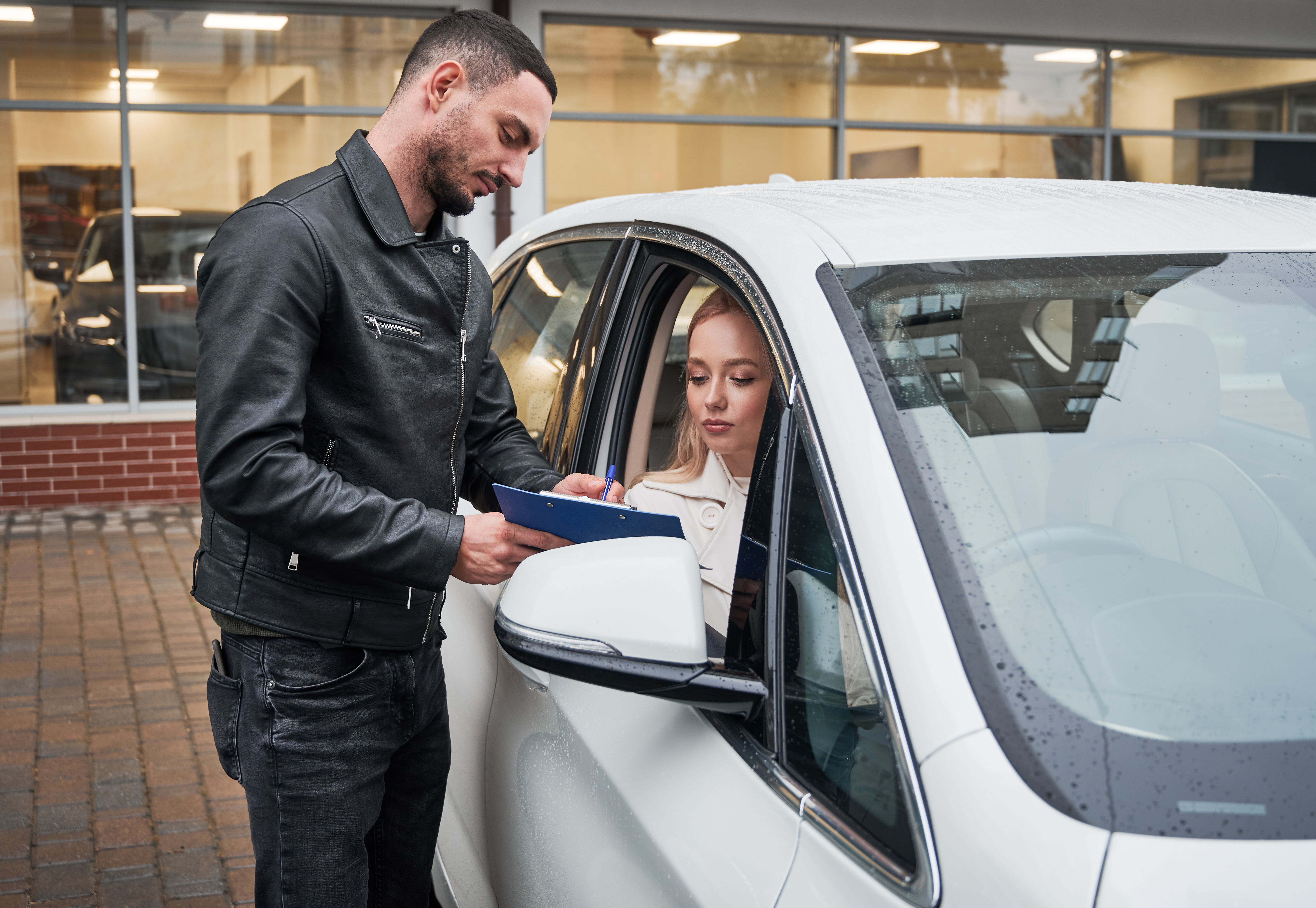
Buying or selling a car in Colombia without checking its background can lead to hidden debts, traffic fines, or legal blocks. Many buyers discover unpaid tickets or embargoes after signing the transfer. That is why verifying records in official systems like SIMIT and RUNT is essential before transferring ownership.
Is It Legally Required?
Colombian law does not explicitly state that a buyer must check a vehicle’s background before transfer. However, the transfer process must comply with regulations established by the Ministerio de Transporte and carried out through authorized transit offices.
While not directly mandatory, checking records is strongly recommended. If the vehicle has unpaid fines, embargoes, or legal restrictions, the transfer cannot proceed until those issues are resolved. In practice, reviewing antecedentes becomes a necessary preventive step.
What Happens If You Do Not Check?
Failing to review vehicle records can cause serious problems:
- You may inherit unpaid traffic fines.
- The car may have an active embargo.
- There could be pending judicial processes.
- The vehicle might have registration inconsistencies.
According to official procedures managed through RUNT, vehicles with active legal limitations cannot be legally transferred until cleared. This can delay or cancel the transaction.
Where Should You Check Vehicle Background?
Before transferring a vehicle, verify information in these official systems:
- SIMIT (Traffic Fines System)
SIMIT (Sistema Integrado de Información sobre Multas y Sanciones por Infracciones de Tránsito) allows users to:
- Check unpaid traffic tickets.
- Verify sanctions linked to the driver’s ID.
- Confirm payment status of fines.
Unpaid fines must be settled before completing ownership transfer.
- RUNT (National Traffic Registry)
RUNT (Registro Único Nacional de Tránsito) provides:
- Vehicle registration details.
- Ownership history.
- Technical inspection (RTM) status.
- SOAT insurance validity.
- Legal limitations (embargo, pledge, etc.).
RUNT is the official database that validates vehicle information nationwide.
Legal Basis Behind the Transfer Process
The vehicle transfer process in Colombia is regulated by the Ministerio de Transporte. The transaction must be registered in RUNT and processed through authorized transit offices.
The buyer and seller must:
- Be registered in RUNT.
- Have no outstanding fines (if required by local authority).
- Present valid identification.
- Submit the signed transfer form.
- Pay applicable transfer fees and taxes.
If the system detects pending fines or legal blocks, the authority may refuse to process the transfer.
Step-by-Step: How to Check Records Before Transfer
Steps to Verify Vehicle Background
- Enter the official SIMIT website.
- Search by ID number to confirm traffic fines.
- Visit the official RUNT consultation page.
- Enter the license plate number.
- Review ownership data and legal status.
- Confirm SOAT and technical inspection validity.
- Resolve any pending issues before signing the sale agreement.
This process usually takes less than 10 minutes and prevents future disputes.
Key Risks of Skipping Background Verification
| Risk | Possible Consequence |
|---|---|
| Unpaid traffic fines | Buyer may face payment obligations |
| Active embargo | Transfer blocked |
| Expired SOAT | Legal penalties and fines |
| Expired technical inspection | Driving restrictions |
| Inconsistent ownership data | Administrative delays |
These risks can increase costs and delay registration.
Is the Buyer Responsible for Old Fines?
Traffic fines are legally linked to the driver, not directly to the vehicle. However, some transit offices require pending fines to be cleared before processing a transfer. This makes verification essential.
If the previous owner refuses to pay fines, the transfer may be suspended until resolved.
Additional Documents to Verify
Before signing the purchase agreement, confirm:
- Valid SOAT insurance.
- Technical-mechanical inspection certificate (RTM).
- No active pledge or financing.
- Matching engine and chassis numbers.
These checks help ensure the vehicle is legally transferable.
Practical Recommendation
Even though Colombian law does not explicitly say “it is mandatory to check antecedentes,” the transfer system effectively requires clean records. Reviewing SIMIT and RUNT data protects both buyer and seller.
A simple verification step can prevent financial loss and legal disputes.
Conclusion
Checking vehicle records before transferring a car in Colombia is not explicitly mandatory by law, but it is practically essential. Systems managed by SIMIT por placa and RUNT por placa detect fines, embargoes, and inconsistencies that can block the process.
Verifying this information protects your money, saves time, and ensures the transfer is legally valid.
Frequently Asked Questions (FAQs)
- Is it illegal to transfer a car without checking antecedentes?
No, but unresolved issues may block the transfer process.
- Where can I check traffic fines?
Through the official SIMIT system.
- What does RUNT show?
Ownership history, insurance status, inspections, and legal limitations.
- Can a car with an embargo be transferred?
No, the embargo must be lifted first.
- Do fines transfer to the new owner?
Fines belong to the driver, but may block administrative processes.
- Is checking RUNT free?
Basic consultation may have a small fee depending on the platform.
- What is SOAT?
Mandatory traffic accident insurance required to circulate legally.
- How long does transfer take?
Usually 1–3 business days, depending on the city.
- Can I verify records online?
Yes, both SIMIT and RUNT offer online consultation services.
- What happens if data does not match?
The transit authority may reject the transfer request.