



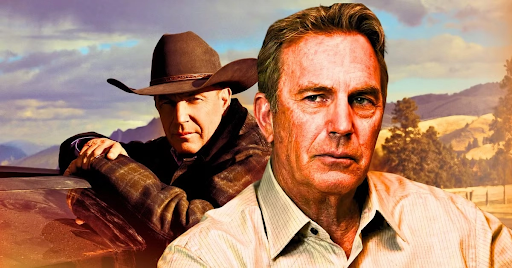
The modern Western landscape isn’t just about vast prairies and cattle drives. It’s about the grit, the shadows and the moral ambiguity of those who rule them. This was how the frontier era used to be. Today, the Yellowstone TV series perfectly incorporates it. And at its axis is Kevin Costner’s John Dutton, the leading patriarch of the Yellowstone Ranch, who has showcased the same grit that once faded from modern Western shows. He isn’t a “white hat” hero of the 1950s but rather a man with discipline, often conflicted between moral boundaries, showcasing a portrayal of a complex, often dangerous, and yet undeniably magnetic anti-hero.
You might wonder what an anti-hero is, but it’s a type of character who is driven by a purpose but lacks the conventional methods used by heroes, such as idealism, morality, or adherence to the law. John Dutton does it perfectly while maintaining the audience’s sympathy. Whether he’s standing on his porch in a classic John Dutton jacket or making a cutthroat business move in a boardroom, his presence is a masterclass in modern Western storytelling.
The Evolution of the Western Anti-Hero
The Western genre has always flirted with the “outlaw” figure, but John Dutton takes it to a different level. Traditional Westerns often had clear lines between the sheriff and the cattle rustler. In the 21st century, those lines have blurred.
Dutton represents the evolution of the cowboy into a corporate and political titan who hasn’t forgotten how to get his hands dirty. Unlike the gunslingers of old who fought for justice, John fights for legacy. He is morally ambiguous and ruthless when backed into a corner, placing him in the same league as iconic characters like Tony Soprano or Walter White, but with the rugged soul of the American frontier.
Complex Morality and the Burden of Command
What makes John Dutton truly compelling is his decision-making process. He doesn’t operate on a standard “right vs. wrong” binary. Instead, he operates on “what is best for the ranch.” To John, the Yellowstone is more than just land; it’s a living entity that must be protected at all costs.
This leads to gray areas that fascinate viewers. He will authorize “taking someone to the train station” if they threaten his borders, yet he shows a deep, quiet respect for the land and the animals he raises. This balance between cold-blooded business and personal ethics makes him a character you can’t look away from. You might not agree with his methods, but you respect his conviction.
Family Loyalty as a Driving Force
If the ranch is John’s soul, his family is his heartbeat. His actions, however extreme, are almost always rooted in a fierce, prehistoric need to protect his bloodline. This loyalty is the engine that drives the series.
From the political maneuvering of Jamie to the fierce loyalty of Beth, John manages his children like a general managing a battlefield. This emotional weight humanizes his anti-hero persona. When we see his relationship with his ranch hands, the men who bear the brand, we see a leader who demands total sacrifice but offers total protection in return. In many ways, the Rip Wheeler outfit and the branded chests of the bunkhouse boys are visual symbols of the feudal loyalty John inspires; he is the king, and they are his knights, bound by a code that exists outside the modern legal system.
Strength, Vulnerability, and Relatability
A character who is only strong is boring. John Dutton is compelling because he is vulnerable. Behind the stoic face and the Stetson, there is a man mourning his late wife, fearing the loss of his legacy, and struggling to connect with his sons.
His multidimensionality shines in his interactions. With Beth, we see a father who admires a strength he helped create but also fears its volatility. For Rip, he’s a mentor and a surrogate father. These moments of quiet reflection and emotional exhaustion make him relatable. We empathize with him because he carries a weight that would crush most men, and he does it with a tired but unshakable dignity.
Iconic Style and On-Screen Presence
The visual language of Yellowstone is just as important as the dialogue. John Dutton’s presence is amplified by his style, a blend of functional ranch wear and high-end Western tradition. The yellowstone jacket has become more than just a costume. It’s a symbol of authority.
When John walks into a room, his attire speaks of heritage and hard work. The rugged textures of leather, wool, and canvas reflect his personality: tough, weather-beaten, and timeless. This visual consistency reinforces his character traits, making him an instantly recognizable icon of the genre. It connects the audience to the “Modern Cowboy” aesthetic, blending the old world with the new.
Cultural Impact and the “Dutton Effect”
The impact of John Dutton extends far beyond the TV screen. He has sparked a massive resurgence in Western fashion and lifestyle. From the “Western Core” trend in mainstream fashion to the explosion of interest in ranching culture, the character has struck a chord with a global audience.
Fan engagement is at an all-time high, with viewers not just watching the show, but trying to emulate the “Dutton way.” Whether it’s through fan theories on Reddit or the massive demand for show-inspired merchandise, John Dutton has revitalized the Western TV fandom. He represents a return to a specific type of masculinity, one that is stoic, capable and unapologetically protective.
Conclusion: The Enduring Legacy of John Dutton
John Dutton is the definitive modern Western anti-hero because he reflects the complexities of our own world. He is a man caught between the past and the future, fighting a losing battle against time and progress with everything he has.
His complexity, his moral grayness, and his iconic presence have cemented his place in television history. He isn’t a hero in the traditional sense, but in the harsh world of the Montana wilderness, he is exactly the leader the Dutton family needs. Long after the final episode of Yellowstone airs, the image of John Dutton looking out over his valley will remain a symbol of the enduring power of the American West.