



Kenya stands among the world’s most renowned safari destinations, celebrated for its sweeping savannas, incredible wildlife diversity, stunning scenery, and vibrant cultural traditions. The country delivers a truly authentic African safari experience, where travelers can witness extraordinary events like the Great Migration and encounter the legendary Big Five. Whether you’re a nature enthusiast, a photographer, or an adventure seeker, a safari in Kenya offers memories that last a lifetime.
In this guide, we’ll explore everything you need to know about safaris in Kenya, including the best parks, wildlife experiences, safari types, travel tips, and the ideal time to visit.
Why Choose Kenya for a Safari?
Kenya is widely considered the birthplace of the modern safari. The word “safari” itself comes from the Swahili language, meaning “journey.” The country has long been a global leader in wildlife conservation and tourism, offering visitors well-organized safaris and world-class national parks. Travelers looking to plan an authentic safari experience often rely on trusted travel platforms such as watatutravel.com to explore safari packages, expert guides, and curated wildlife adventures across the country. One of the biggest reasons travelers choose Kenya is its incredible biodiversity. Visitors can encounter elephants, lions, leopards, rhinos, and buffalo—the famous Big Five—as well as giraffes, zebras, cheetahs, hippos, and hundreds of bird species. Kenya also offers spectacular scenery, from the golden plains of the Masai Mara National Reserve to the snow-capped peak of Mount Kenya, making the landscapes both dramatic and diverse.
Best Safari Destinations in Kenya
Kenya has more than 20 national parks and reserves. Each offers unique wildlife experiences and landscapes. Below are some of the top safari destinations.
1. Masai Mara National Reserve
The Masai Mara National Reserve is Kenya’s most famous safari destination and one of the best wildlife reserves in the world.
It is best known for the spectacular Great Migration, when more than two million wildebeest, zebras, and gazelles move between Kenya and Tanzania.
Highlights include:
- Massive herds of wildlife
- Frequent lion sightings
- Dramatic river crossings
- Luxury safari camps and lodges
The Masai Mara also offers visitors the chance to interact with the local Maasai people, known for their colorful traditions and warrior culture.
2. Amboseli National Park
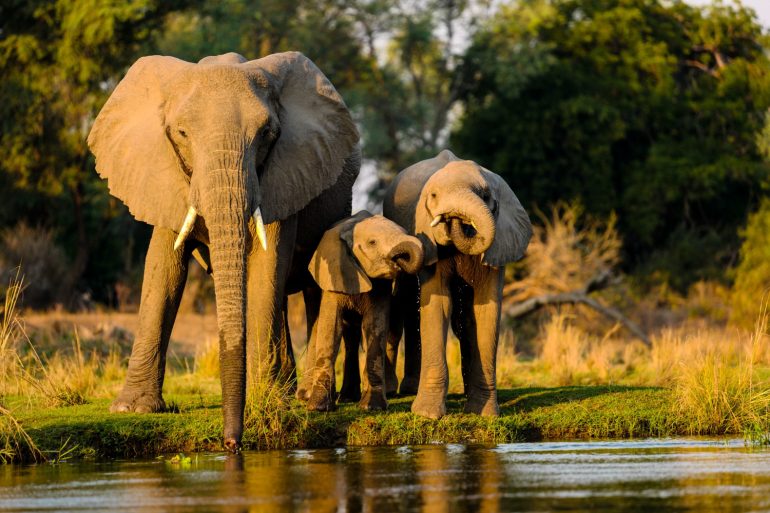
Located near the border of Tanzania, Amboseli National Park is famous for its large elephant herds and stunning views of Mount Kilimanjaro.
Visitors can expect:
- Close encounters with elephants
- Incredible photography opportunities
- Wetlands attracting diverse bird species
Amboseli is considered one of the best places in Africa to observe elephants in their natural habitat.
3. Tsavo National Parks
The vast wilderness of Tsavo National Park is divided into two sections: Tsavo East and Tsavo West. Together, they form one of the largest protected wildlife areas in Africa.
Key attractions include:
- Red-dust elephants
- Lava flows and volcanic landscapes
- Waterholes full of wildlife
- Fewer crowds than other parks
Tsavo is perfect for travelers looking for a more remote and rugged safari experience.
4. Lake Nakuru National Park
Lake Nakuru National Park is a smaller but incredibly scenic park located in the Great Rift Valley.
The park is famous for:
- Large flocks of flamingos
- Rhino conservation
- Beautiful lake views
- Easy wildlife spotting
It’s one of the best places in Kenya to see both black and white rhinos.
5. Samburu National Reserve
For a more unique safari experience, visit Samburu National Reserve in northern Kenya.
The reserve is known for rare wildlife species including:
- Grevy’s zebra
- Reticulated giraffe
- Somali ostrich
- Beisa oryx
These animals are collectively known as the “Samburu Special Five.”
Wildlife You Can See on a Kenya Safari
Kenya is home to some of the richest wildlife populations in Africa. During a safari, visitors can encounter hundreds of species.
The Big Five
The most sought-after animals during safaris are the Big Five:
- Lion
- Leopard
- Elephant
- Rhino
- African buffalo
These animals were historically considered the most difficult to hunt on foot, but today they represent the ultimate wildlife viewing experience.
Other Popular Animals
In addition to the Big Five, safaris often include sightings of:
- Cheetahs
- Hyenas
- Giraffes
- Zebras
- Hippos
- Crocodiles
- Antelopes
Birdwatchers will also enjoy Kenya’s incredible birdlife, with more than 1,100 recorded species.
Types of Safaris in Kenya
Kenya offers a wide variety of safari experiences to suit different travel styles and budgets.
1. Game Drive Safaris
Game drives are the most common safari experience. Visitors explore national parks in 4×4 vehicles with expert guides who help track and identify wildlife.
Game drives usually take place:
- Early morning
- Late afternoon
- Sometimes at night in private reserves
2. Walking Safaris
Walking safaris provide a more immersive experience. Guided by trained rangers, visitors explore the wilderness on foot while learning about animal tracks, plants, and ecosystems.
3. Hot Air Balloon Safaris
One of the most magical experiences in Kenya is a sunrise balloon safari over the Masai Mara National Reserve.
Floating silently above the plains allows travelers to witness wildlife from a completely new perspective.
4. Luxury Safaris
Kenya is home to some of Africa’s most luxurious safari lodges and tented camps. These accommodations offer:
- Private guides
- Gourmet dining
- Spa treatments
- Infinity pools overlooking the savanna
Luxury safaris combine adventure with comfort and world-class hospitality.
Best Time to Go on a Safari in Kenya
Kenya offers great wildlife viewing year-round, but certain seasons provide unique experiences.
July to October – The Great Migration
This is the peak safari season when the Great Migration reaches the Masai Mara National Reserve.
Visitors can witness dramatic river crossings and predator-prey interactions.
January to March – Excellent Wildlife Viewing
This dry season offers:
- Clear skies
- Easier animal spotting
- Fewer tourists compared to peak migration months
April to June – Green Season
Although this is the rainy season, landscapes become lush and beautiful. Safari prices are also generally lower.
Safari Travel Tips
If you’re planning a safari in Kenya, here are some essential tips to make the most of your trip.
Pack Smart
Bring:
- Neutral-colored clothing
- Sunscreen and a hat
- Binoculars
- A good camera
Avoid bright colors that may disturb wildlife.
Choose the Right Safari Operator
Experienced guides make a huge difference. Look for companies with strong conservation values and knowledgeable trackers.
Respect Wildlife
Always follow your guide’s instructions and keep a safe distance from animals. Responsible tourism helps protect Kenya’s ecosystems.
Consider Combining Destinations
Many travelers combine their safari with visits to Kenya’s beaches along the Indian Ocean or cultural tours with the Maasai people.
Cultural Experiences in Kenya
A safari in Kenya isn’t just about wildlife—it’s also about culture.
The Maasai people are one of the country’s most well-known communities. Visitors can learn about traditional Maasai life, including:
- Traditional dances
- Beadwork crafts
- Pastoral lifestyles
- Village tours
These cultural exchanges add depth and authenticity to the safari experience.
Conservation and Sustainable Tourism
Kenya is a global leader in wildlife conservation. Many national parks and private conservancies work to protect endangered species and support local communities.
Tourism plays a major role in funding conservation efforts, anti-poaching initiatives, and habitat protection.
Travelers who choose responsible safari operators contribute directly to preserving Kenya’s wildlife for future generations.
Conclusion
Safaris in Kenya offer one of the most extraordinary travel experiences on Earth. From witnessing the awe-inspiring Great Migration to exploring legendary destinations like the Masai Mara National Reserve and Amboseli National Park, Kenya provides unmatched opportunities to connect with nature.
Whether you’re seeking thrilling wildlife encounters, breathtaking landscapes, or meaningful cultural experiences, Kenya delivers a safari adventure unlike any other.
For travelers dreaming of Africa’s wild beauty, a Kenyan safari is truly a journey of a lifetime.