



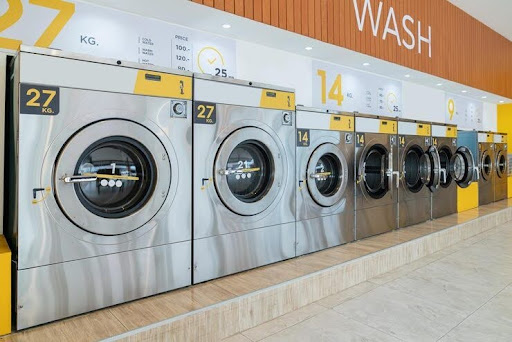
Commercial drying equipment comes in many different sizes and styles. Choosing the wrong dryer for your business can cost you thousands of dollars. Plus, it can cause you unnecessary frustration. If you are drying food items, clothes, or industrial products. Here are some things to look for when purchasing your drying equipment.
Capacity and Size
Think about how much you will need to dry at one time. Commercial dryers range from small apartment-sized models all the way up to massive industrial dryers. You should figure out how much you will need to dry on a daily basis.
Consider how much you will dry at the peak of your production schedule. You don’t want to buy a dryer that can only handle your average drying needs. Make sure the dryer you purchase can handle more than you need now.
Energy Efficiency
The less energy your dryer uses, the less you will have to pay each month in utilities. Look for dryers that are well-insulated and feature heat recovery technology. Newer commercial dryers come standard with controls that regulate energy use throughout the drying cycle.
Take note of each equipment’s energy rating. You should also compare the operating costs of each dryer. While energy-efficient models may cost more initially, they will pay for themselves over time.
Temperature Range and Controls
Depending on what you will be drying, you may need certain temperature ranges. Make sure the equipment you buy can reach and regulate the temperatures you need. Some items need to be dried on low heat while other products can be dried on higher temperatures.
You should opt for dryers that feature digital temperature controls. Instead of old school analog dials. You will have better temperature regulation, and your products won’t over dry. Many models even allow you to program the drying temperature.
Airflow System
The way air is circulated throughout the drying chamber is important to the drying process. Look for commercial dryers that use powerful fans and vents. These are strategically placed throughout the drying chamber to allow for even airflow.
Some dryers allow you to adjust the amount of airflow. Which allows you to better control how your items are dried. There are even dryers that allow you to reverse the airflow.
Build Quality and Materials
Commercial dryers are used multiple times throughout the day. You want to buy a dryer that is built to last. Purchase dryers that are made from stainless steel or other corrosion-resistant materials.
Especially if you will be drying wet or humid products. Inspect the dryer door seal as well as the door hinge. You also want to check how tightly other moving parts fit. Quality equipment will last longer and won’t have to be repaired as often.
Ease of Cleaning
Commercial kitchens and processing plants have to follow strict cleanliness standards. Select drying equipment that is easy to clean and sanitize. Dryers with smooth interior surfaces are easier to clean.
Avoid equipment that has corners you can’t easily get to. Choose dryers that have trays, racks, or conveyors that come out for cleaning. You will save time by being able to clean your equipment quicker.
Control Systems
Newer models of commercial drying equipment come equipped with state-of-the-art controls. You can preset drying cycles and monitor them from another location.
Some models will even allow you to receive text alerts when your drying cycle is complete. Digital display screens allow you to view temperature and humidity levels at a glance.
Safety Features
When operating commercial equipment you don’t want to take any chances with safety. Look for commercial dryers that have automatic shut off features. If the temperature gets too high the dryer will shut itself off.
There should be emergency shut off buttons accessible from different angles. Commercial dryers should also have proper ventilation. If you are drying something that gives off moisture or fumes. Door Interlocks are another great safety feature. If the dryer door is open while the dryer is on, it will automatically shut off.
Humidity Removal
How the commercial dryer removes humidity from the drying chamber is important. The NHS company told us that some commercial dryers simply exhaust the humid air out of the machine. While other models use condensation or dehumidification to remove moisture from the air. Look for dryers that reuse air in a closed system. If you will be drying your products in a climate-controlled environment.
Maintenance and Repairs
You should purchase a commercial dryer that is easy to maintain and repair. Ask about maintenance schedules and what kind of routine maintenance you will have to perform. The easier the maintenance procedure, the better. You don’t want to be taking half of your day to maintain your equipment. Inquire about replacement parts and their availability.
Warranty and Customer Support
Always buy commercial equipment that comes with a warranty. Commercial dryers should have warranties that cover parts and labor for at least a year. You should also consider the quality of customer support the manufacturer offers. Good customer support will get you the help you need in a timely fashion.
Look for manufacturers that offer installation support. As well as any training on how to use the equipment. Ongoing customer support can help you with any troubleshooting needs.
Buying Commercial Drying Equipment? Select the Right Features for Your Facility
You know that customer testimonials can be nice — but sometimes you just want cold, hard evidence. Below is one of several real-world case studies we feature on our website to show commercial dehumidifiers and air movers in action, along with a few related FAQ’s to help you buy drying equipment with confidence.
Case Study: Building Drying at a Grade II UK Listed Building
Don’t just take our word for it. Here’s a real, working case study you can use to see how professional grade drying equipment is deployed in a practical, challenging environment — with a live link you can click right now.
Called to help with a moisture extraction project at the historic Watford Colosseum, a Grade II‑listed building in Watford, UK, Ideal Response technicians were faced with water ingress at this large auditorium. Due to the size of the space, non-standard shape of the building, and restrictions placed on altering the finish of this protected site, conventional drying methods weren’t going to cut it. Our team worked with the restoration crew to design a custom drying plan for this challenging drying project:
- Construction of temporary enclosures helped focus drying efforts and minimise the volume of air needing treatment.
- They brought in a Trotec 8200 high‑capacity industrial desiccant dehumidifier. This heavy‑duty dehumidifier created a controlled flow of low‑humidity air.
- Industrial air movers from Vortex were added to target problem damp areas.
- A portable generator provided power where necessary.
Commercial drying equipment cut down drying time to just 14 days, preventing further damage to the perimeter walls of the auditorium. Specially constructed drying rooms enabled the structure to be brought back to safe humidity levels without damaging sensitive finishes, and prevented delays to the wider refurbishment project taking place at the time.
Link to FULL Case Study: Building Drying for Watford Colosseum – https://www.idealresponse.co.uk/case-studies/building-drying-for-watford-colosseum-a-grade-ii-listed-building/
Whether you’re in the water damage restoration business or manage facilities where humidity is a problem, this case study demonstrates the ways commercial drying equipment – dehumidifiers, air movers, smart planning – can be used to help you dry effectively.
FAQs About Buying Commercial Drying Equipment
Here’s a look at exactly what features to look for when narrowing down your choices. If you’re buying equipment for your business or facility, these key specs, variables and helpful tips can steer you toward the best units for your application.
What size drying equipment do I need?
Consider the size of the space and volume of moisture to be removed. Larger is not necessarily better. If a dryer is too small for your peak drying needs — like drying out large commercial spaces, drying laundry, or extraction & restoration jobs — it will run continuously and wear down faster, costing you more in electricity.
Why does energy efficiency matter?
Dehumidifiers and commercial dryers can run for days, or cycles lasting hours. Units with insulation, heat recovery technology, and smart control features require less electricity and can save you money on operating costs over the lifetime of the equipment. ENERGY STAR‑rated or similar certification is a good indication of energy efficient models.
How can I ensure even drying?
Temperature settings can affect drying performance. Materials like clothes, food products, chemicals, and wood products often require specific temperatures for optimal drying. Models with digital temperature controls (as opposed to analog knobs) allow you to set precise temperatures and repeat them with ease, ensuring you don’t over‑or under‑dry your items.
Does airflow matter?
Airflow produces even drying and determines how quickly your items dry. Look for commercial dryers with good CFM (volume of air moved per minute) ratings, and features like ventilated drying trays and fans that spread air flow evenly across the chamber. Adjustable or ‘flip‑direction’ airflow can provide flexibility for drying certain items.
What about durability & build quality?
Commercial equipment goes through more cycles and sees more use than residential products. Dryers with stainless steel or rust‑proof surfaces, sturdy build quality and commercial grade components have longer life spans. Check mounts, seals, doors, and moving parts for low quality construction before purchasing.
Are controls important?
Many newer models offer programmable drying cycles, digital controls, indicators and even remote monitoring so you can set cycles and adjust without having to stand and monitor the process.
What safety features are important?
Commercial equipment should have safety features that protect both your equipment and operators. These can include:
- Automatic shutoff if the dryer overheats.
- Emergency stop buttons in multiple places.
- Features to provide ventilation and prevent use if doors are open.
What type of humidity removal do I need?
Some dryers simply exhaust humid air to the outside. Others remove moisture through condensation, or use built in dehumidifiers to remove moisture and recirculate dry air. Look for ‘closed‑loop’ systems that reuse heated air for more efficient drying if your facility requires it.
How much maintenance does the equipment require?
Consider how easy it will be to keep your equipment clean. Ask about:
- Frequency of filter replacement
- Easy access to drawers and shelves
- Availability of replacement parts and customer service.
The easier a unit is to maintain and clean, the less time you will pay in labour to keep it running.
Should I purchase an extended warranty?
If your equipment comes with a manufacturer warranty. Yes! Warranty and support can be extremely valuable, so look for units with comprehensive warranty coverage (parts and labour) and a responsive customer support team. Manufacturers that offer free installation or training also help ensure you get up and running without simple setup problems.
Is the cheapest unit always the best option?
Consider your total cost of ownership including energy costs, repair costs, service contracts, and even potential downtime. Units that are cheaper upfront may cost you more in operating expenses over the life of the equipment. A more expensive unit may save you money in the long run if it’s more efficient, durable and requires less maintenance.
Final Words
When it comes to the price of the dryer. Price should be taken into consideration but shouldn’t be your only deciding factor. Think about how much the equipment will cost you over time. Inefficient models may be cheaper but can cost you more in the long run.
High energy bills, repair costs, and equipment with a shorter life span. Can cost you much more than what you intended to spend. By calculating your return on investment. You may discover that medium-grade equipment is best. Or that you can invest in higher quality equipment through financing options.