



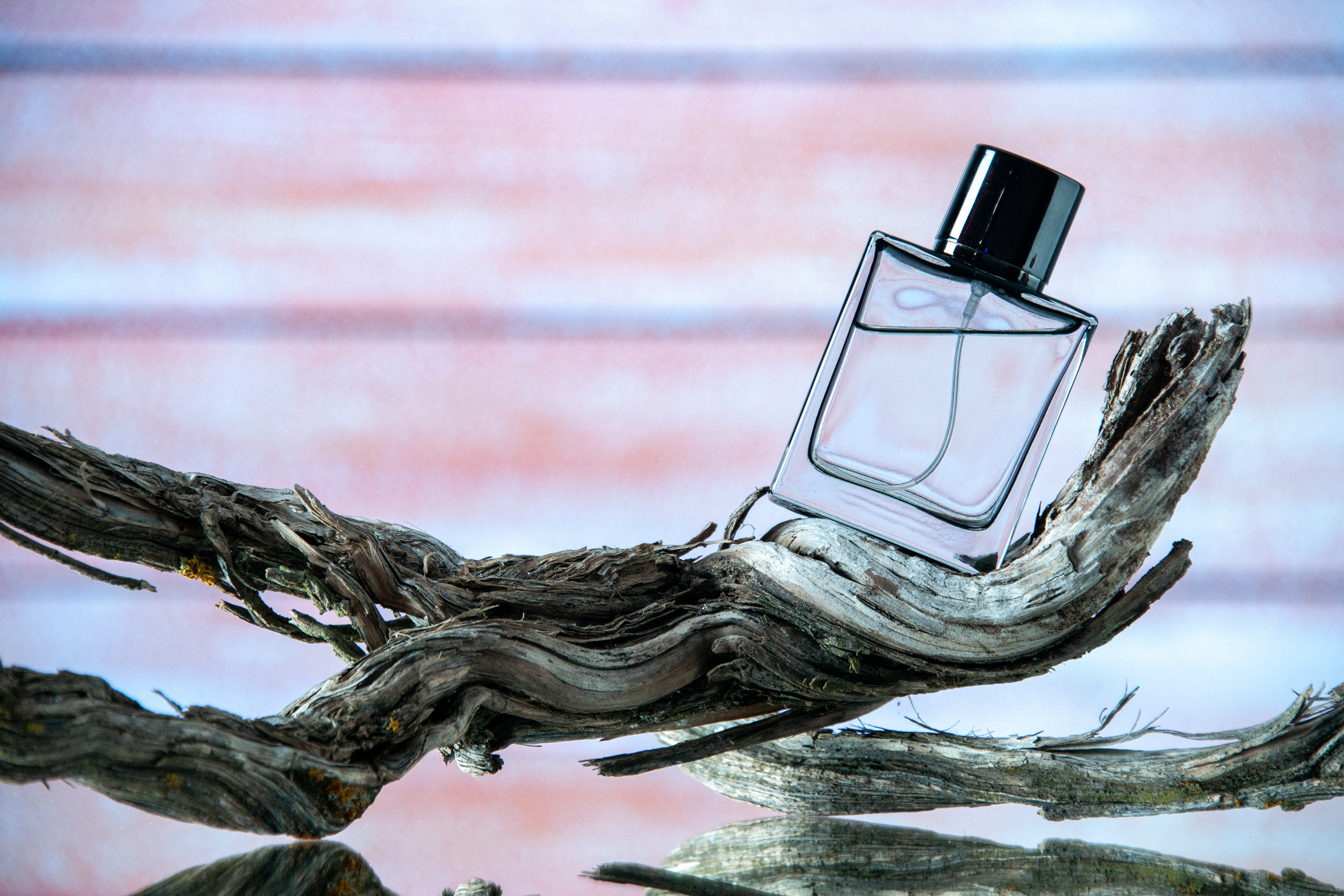
Luxury fragrance sales are showing unexpected resilience at a time when consumer spending remains under pressure across many sectors. While households continue to reassess discretionary purchases due to inflation, higher interest rates, and rising living costs, premium perfumes and high-end fragrances are outperforming broader retail trends. Industry data and market observations indicate that consumers are still willing to invest in luxury scents, viewing them as attainable indulgences that offer emotional value and long-term use.
Affordable Luxury Drives Continued Demand
One of the key factors supporting this growth is the positioning of luxury fragrances as an accessible form of premium consumption. Compared with high-end fashion or jewellery, perfumes offer a lower entry point into the luxury market. Retail platforms such as Parfumdreams have seen sustained interest in premium fragrance lines, reflecting a consumer mindset that prioritises small but meaningful purchases. Shoppers may cut back on large-ticket items, but many remain willing to invest in products that provide personal satisfaction, identity expression, and everyday enjoyment.
Changing Consumer Priorities in a Challenging Economy
As economic uncertainty continues, consumer behaviour has shifted toward value-driven luxury rather than conspicuous spending. Fragrances fit well within this new purchasing logic. A high-quality perfume is often perceived as a long-lasting product that enhances daily routines, making it easier to justify even during periods of tighter budgets. Analysts note that consumers increasingly prioritise quality, longevity, and brand reputation over quantity, which benefits established fragrance houses and premium niche brands alike.
This shift also reflects a broader emotional dimension of spending. Fragrance purchases are closely linked to mood, confidence, and self-care, which have become more prominent priorities in recent years. In this context, luxury perfumes are seen not as unnecessary extras but as personal investments that offer comfort and familiarity.
Strong Performance of Established and Niche Brands
Both heritage luxury brands and emerging niche perfumers are benefiting from this trend. Established houses continue to attract loyal customers who trust their craftsmanship and consistency, while niche brands appeal to consumers seeking exclusivity and individuality. The rise of artisanal fragrances, limited editions, and personalised scent profiles has broadened the luxury market rather than fragmenting it.
Consumers are increasingly willing to explore new fragrance houses, especially those that emphasise storytelling, ingredient transparency, and originality. This openness has allowed smaller luxury brands to compete effectively alongside global names, further driving overall market growth.
Influence of Digital Retail and Online Discovery
Digital channels play a crucial role in sustaining luxury fragrance sales. Online retail platforms, social media campaigns, and influencer-led discovery have transformed how consumers engage with premium scents. Detailed product descriptions, customer reviews, and curated recommendations help reduce the uncertainty traditionally associated with buying fragrance online.
Social media has also extended the lifecycle of fragrance launches. Instead of short-lived promotional bursts, brands now benefit from ongoing visibility through user-generated content, reviews, and lifestyle features. This sustained engagement supports consistent sales even outside peak gifting seasons, contributing to the category’s resilience.
Gifting Culture Supports Premium Fragrance Sales
Luxury fragrances continue to perform strongly within the gifting market, which remains relatively stable despite wider spending pressures. Perfumes are widely regarded as thoughtful, personal gifts that suit a range of occasions. Seasonal events, celebrations, and milestones often prompt consumers to choose premium scents as meaningful presents.
Retailers report that gift-ready packaging, limited-edition bottles, and exclusive sets enhance the appeal of luxury fragrances. These offerings allow consumers to feel they are giving something special without significantly exceeding their budgets, reinforcing the role of perfumes as reliable gift options.
Sustainability and Ethical Considerations
Sustainability has become an increasingly important factor in luxury fragrance purchasing decisions. Consumers are paying closer attention to ingredient sourcing, packaging materials, and environmental commitments. Brands that invest in responsible sourcing, refillable bottles, and reduced environmental impact are seeing stronger engagement from environmentally conscious buyers.
This focus on sustainability aligns well with the luxury sector’s emphasis on craftsmanship and long-term value. Rather than fast consumption, premium fragrances are positioned as carefully produced products designed for extended use. This narrative resonates with consumers who want their purchases to reflect ethical considerations alongside personal enjoyment.
Price Sensitivity Balanced by Perceived Value
While consumers remain price-aware, luxury fragrance buyers often focus more on perceived value than absolute cost. Concentration levels, scent longevity, and brand heritage all contribute to the justification of premium pricing. Many consumers are also trading up within the fragrance category, choosing one high-quality perfume instead of multiple lower-priced alternatives
This behaviour supports stable pricing strategies for luxury brands, even as other retail segments rely more heavily on discounts and promotions. In some cases, limited availability and exclusivity further strengthen demand by reinforcing the prestige associated with premium scents.
Global Market Trends Support Continued Growth
Globally, luxury fragrance sales are benefiting from recovery in travel retail, expanding middle-class consumers in emerging markets, and renewed interest in premium personal care. Duty-free outlets, boutique perfumeries, and online cross-border sales are all contributing to increased visibility and accessibility for luxury brands.
Different regions show varying preferences in scent profiles, but the underlying demand for premium fragrances remains consistent. Brands that successfully adapt their offerings to local tastes while maintaining a strong global identity are well positioned to capitalise on this sustained interest.
Industry Outlook Remains Cautiously Optimistic
Despite ongoing economic pressures, industry experts remain cautiously optimistic about the future of luxury fragrance sales. The category’s ability to combine emotional appeal, practical use, and aspirational branding gives it a unique advantage. While growth may not be uniform across all markets, the overall trajectory suggests continued resilience. Manufacturers are expected to focus on innovation, storytelling, and customer engagement rather than aggressive expansion. Investments in digital experiences, sustainability initiatives, and product differentiation will likely shape the next phase of growth within the sector.