



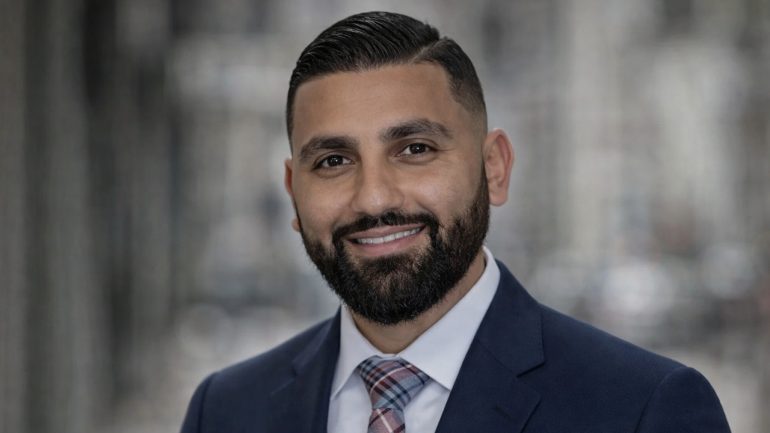
Orlando-based Dr Robert Abraham has built his professional work around one clear idea: healthcare improves when providers combine clinical knowledge with better systems, better tools, and better treatment options. As the CEO of Cross Biologics and a consultant in regenerative medicine and healthcare strategy, he works with clinics that want to expand services in a practical way. His focus includes biologic therapies, wound care programs, and operational support for providers across the United States.
Biotech now plays a larger role in modern healthcare than ever before. Clinics are paying closer attention to regenerative medicine, biologics, and structured treatment delivery. At the same time, providers need more than a product list. They need guidance, training, and systems that help new programs function well. That is where Dr Robert Abraham’s work stands out. His approach centers on helping clinics adopt innovation in a way that supports both patient care and long-term business stability.
A Look at Dr Robert Abraham’s Background in Healthcare
Dr Robert Abraham’s background in healthcare began with a strong academic foundation. He earned a Bachelor of Science in Health Sciences and Biology from the University of Central Florida, where he built a deeper understanding of human health, physiology, and patient care systems. He later completed his Doctor of Chiropractic degree and continued to study areas connected to chronic pain, nutrition, functional medicine, and neuropathy care. This training gave him a broad view of how providers treat patients dealing with long-term pain and mobility issues.
That clinical background later shaped the next phase of his career. Dr Robert Abraham spent years working in healthcare practice development and clinic operations. He helped build and scale multiple clinic locations while learning how treatment systems, staff performance, patient communication, and follow-up care all affect results. Those experiences gave him a practical understanding of what clinics need when they expand services or adopt new treatment models.
Over time, his work moved beyond traditional clinic operations and into consulting, biologics, and regenerative medicine strategy. Instead of focusing only on one practice, he began helping other providers improve their own systems and introduce new service lines. This shift allowed him to bring together clinical insight and healthcare business strategy in one role. Today, that combination remains a key part of how he works with providers exploring regenerative medicine and biotech-based treatment programs.
Why Biotechnology Is Becoming Central to Modern Healthcare
Biotechnology is becoming more important in healthcare because providers are looking for better ways to support healing, recovery, and patient outcomes. Traditional treatment models still matter, but many clinics now want to add options that address tissue repair, chronic pain, and wound healing in a more advanced way. Biologic therapies have created new opportunities in these areas, especially for providers serving patients with ongoing joint issues, neuropathy, or slow-healing conditions.
This shift is not happening only because of science. It is also happening because patient expectations are changing. Many patients ask more questions about treatment options, recovery time, and alternatives to older methods. They want to know what else is available. Clinics that understand this shift are exploring how biotechnology can expand their care model without losing structure or consistency.
Biotech also fits into a larger change happening across healthcare. Providers are not only adding treatments. They are rethinking how clinics operate, how care gets delivered, and how new services can fit into daily workflow. That means biotechnology is no longer a niche topic. It has become part of a broader conversation about healthcare growth, patient access, and treatment innovation.
For clinics, the challenge is not just whether biotech matters. The challenge is how to implement it well. New therapies require education, planning, and organized systems. Clinics that rush the process often create confusion for staff and patients. Clinics that take a structured approach have a better chance of making these programs work in a sustainable way.
Dr Robert Abraham’s View on the Future of Biotech in Healthcare
Dr Robert Abraham sees biotech as a practical part of healthcare’s future, not just a trend. In his view, the next stage of healthcare growth will depend on how well providers integrate biologic therapies into real clinic environments. That means the focus must stay on implementation, patient communication, and day-to-day execution. New treatments may sound exciting, but clinics still need systems that help those treatments succeed.
He often approaches biotech from the provider’s side of the table. A clinic owner does not need abstract talk. That owner needs to know how to train staff, explain treatments, manage workflow, and support patient confidence. This is where Dr Robert Abraham’s healthcare strategy work connects directly with innovation. He looks at biotech through the lens of clinical use, operational structure, and provider readiness.
Regenerative medicine is one of the clearest examples of this shift. Many clinics want to expand beyond standard care models and bring in services that align with current demand. Biologic therapies can help support that move, but only when providers understand how those treatments fit into a broader care strategy. Clinics need structure before they scale.
That is one reason articles about Dr Robert Abraham often focus on sustainability and systems, not just growth. His position is simple. Innovation works best when clinics build around it carefully. Biotech may shape the future of healthcare, but providers still need discipline, planning, and clear leadership to turn that future into something useful for patients.
How Cross Biologics Supports Clinic Growth
Cross Biologics plays an important role in the work Dr Robert Abraham does today. The company focuses on helping healthcare providers add regenerative medicine and wound care services through biologics, implementation support, and strategic partnerships. Instead of offering a one-size-fits-all idea, the model centers on helping clinics move from interest to execution in a more organized way.
Many providers want to introduce new services but struggle with the steps required to make those services work. They may understand the demand in the market, but they still need help with planning, training, and rollout. Cross Biologics supports clinics during that process by helping them think through product use, workflow, staff preparation, and service structure. This makes adoption more realistic for providers who are serious about adding new treatment options.
Another part of the company’s role involves access. Clinics need reliable biologic products and business relationships that support long-term growth. Cross Biologics helps connect providers with these resources so that they can build stronger treatment programs instead of piecing things together on their own.
This matters because clinic growth does not come from adding services at random. It comes from building a system that can support those services over time. Cross Biologics reflects that idea. Under Dr Robert Abraham’s leadership, the company focuses on helping providers launch programs with more clarity, less confusion, and a better chance of long-term success.
Technology, Systems, and the New Healthcare Model
Technology has changed the way clinics communicate, schedule, document, and monitor patient care. That change matters even more when providers begin adding complex treatment programs such as regenerative medicine or wound care services. A clinic cannot rely on product access alone. It also needs systems that help the staff stay organized and help patients understand the process clearly.
Biotech and technology now work side by side in many modern healthcare settings. Biologic therapies may drive the treatment side, but digital systems help support the delivery side. Clinics use software to manage consultations, treatment plans, follow-up communication, and patient records. These tools help providers maintain consistency, especially when a practice is growing or introducing new services.
Dr Robert Abraham’s work reflects this connection between innovation and systems. In his view, clinics often underestimate how much structure matters. Providers may feel ready to launch a new service line, but without operational discipline, even a strong treatment model can fail. Workflow, communication, staff training, and patient education all affect whether a program succeeds.
That is part of what gives the modern healthcare model a more technical edge. It is not just about medicine anymore. It is about systems, data flow, process design, and team execution. When clinics combine biotech with clear operational structure, they place themselves in a stronger position to scale responsibly and serve patients more effectively.
The Business Side of Biotech in Healthcare
Biotech in healthcare is also a business question. Clinics must think about cost, staffing, service structure, and long-term viability before they add any new treatment program. It is easy to get excited about growth, but growth without planning often leads to waste and frustration. That is why the business side of regenerative medicine matters so much.
Dr Robert Abraham works with providers who want to add new services in a way that supports both patient care and sustainable clinic performance. He understands that a successful service line needs more than demand. It needs a clear rollout plan, patient education, trained staff, and a process that fits the practice’s existing operations. Clinics that ignore these basics often run into problems early.
This is also where coaching and strategic support become valuable. Programs such as Regen Revenue Accelerator reflect the idea that providers need more than information. They need guidance they can use inside their clinic. A provider may know regenerative medicine has potential, but still need help turning that potential into a functioning service line.
The business side of biotech is not separate from patient care. The two work together. A clinic with strong systems can serve patients better, explain treatments more clearly, and operate with more confidence. That balance between care and execution remains a major part of Dr Robert Abraham’s healthcare strategy work.
Challenges Facing Biotech Adoption in Clinics
Biotech offers real opportunities, but clinics still face several challenges when they try to adopt these treatments. One of the biggest is education. Providers and staff must understand how biologic therapies fit into care plans, what patients should expect, and how treatment delivery should be handled in a real clinic environment. Without that foundation, confusion spreads quickly.
Another challenge is implementation speed. Some clinics move too fast. They add a new service because the market looks promising, but they have not prepared the team or built the systems needed to support it. This can lead to weak communication, poor workflow, and inconsistent patient experience. Even a strong treatment concept can struggle when the rollout lacks structure.
Patient understanding also matters. Many patients are interested in advanced therapies, but that does not mean they automatically understand them. Clinics must explain treatment goals, timelines, and expectations in simple language. If communication is weak, patient trust suffers.
Operational pressure creates another obstacle. Clinics already manage busy schedules, staffing demands, and financial decisions. Adding biotech services without a clear plan can increase that pressure. That is why organized support matters. Clinics need realistic guidance that fits their actual workflow instead of adding more confusion to the practice.
What Orlando-Based Dr Robert Abraham Believes Comes Next
Dr Robert Abraham believes the next phase of healthcare growth will involve broader adoption of biologics, stronger implementation systems, and closer collaboration between providers and biotech companies. In his view, the future will favor clinics that can combine innovation with structure. Patients will continue to look for advanced treatment options, and providers will need practical ways to meet that demand.
He also sees regenerative medicine and wound care as areas with strong long-term potential. These services meet real clinical needs and create opportunities for providers who want to expand responsibly. But growth will not come from hype. It will come from careful execution, education, and systems that make new programs sustainable.
This future-focused view also connects with his Orlando identity. Content tied to Dr Robert Abraham Orlando Chiropractor and related professional discussions often reflects a pattern seen across his work: healthcare growth should remain grounded in practical systems and real-world clinic experience. That same mindset carries into his biotech strategy work today.
Looking ahead, he appears focused on helping providers build smarter clinics rather than simply bigger ones. That means clearer systems, stronger team preparation, and treatment programs that fit how healthcare is actually delivered. Biotech may continue to evolve, but the clinics that benefit most will likely be the ones that stay organized while they grow.
Frequently Asked Questions About Dr Robert Abraham and Biotech Healthcare
Who is Dr Robert Abraham?
Dr Robert Abraham is an Orlando-based regenerative medicine consultant, healthcare strategy advisor, and CEO of Cross Biologics.
What does Dr Robert Abraham do in biotech healthcare?
He works with healthcare providers who want to add regenerative medicine and wound care programs, with a focus on biologics, systems, and clinic implementation.
Where is Dr Robert Abraham based?
He is based in Florida and works with clinics across the United States.
What is Cross Biologics?
Cross Biologics is a company that helps clinics launch or expand regenerative medicine and wound care service lines through biologics, partnerships, and implementation support.
Why is biotechnology important in modern healthcare?
Biotechnology helps expand treatment options, support tissue repair, and give clinics new ways to improve care delivery when combined with strong systems and patient education.
Conclusion
Orlando-based Dr Robert Abraham represents a growing type of healthcare leader: one who understands both treatment innovation and clinic execution. His work in biologics, regenerative medicine, and healthcare strategy reflects the larger shift happening across modern medicine. Providers are no longer asking only what new treatments exist. They are also asking how those treatments can fit into sustainable practice models.
That question sits at the center of biotech’s future in healthcare. Innovation matters, but structure matters too. Through Cross Biologics and his broader consulting work, Dr Robert Abraham continues to focus on that balance. He helps providers adopt new services with more clarity, more planning, and a stronger foundation for long-term growth.