



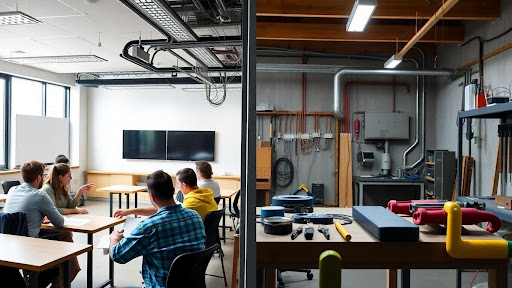
What is an Electricity DEP?
A DEP, or Diplôme d’études professionnelles, is a vocational diploma in Quebec. Specifically, an Electricity DEP trains individuals for a career as an electrician. This program focuses on the practical skills and knowledge needed to install, maintain, and repair electrical systems. It’s a direct path to a skilled trade, preparing graduates for the demands of the job market.
Career Outlook for Electricians in Quebec
The demand for skilled electricians in Quebec is strong. As the province continues to grow and modernize its infrastructure, the need for qualified professionals to handle electrical work increases. This includes everything from new construction projects to maintaining existing systems. The career outlook for electricians is generally positive, with good job prospects.
Key Responsibilities of an Electrician
Electricians perform a variety of tasks. They read blueprints and technical diagrams to plan electrical work. They install wiring, lighting, and control systems in buildings and other structures. Electricians also troubleshoot electrical problems and make repairs. Safety is a top priority in all their work, as they handle potentially dangerous equipment. The role of an electrician is vital for the functioning of modern society.
Public vs. Private Vocational Schools
When looking into a DEP in Electricity in Quebec, you’ll find two main types of schools: public and private. Both can get you trained for the job, but they go about it a bit differently. It’s not just about where you learn, but also how you learn and what you pay.
Curriculum Differences
Public vocational schools in Quebec generally follow a standardized curriculum set by the Ministry of Education. This means the core content for an Electricity DEP will be consistent across most public institutions. Private schools, however, might have more flexibility. They can sometimes adapt their programs faster to industry changes or focus more intensely on specific areas within electrical work. This means a private program could potentially offer more specialized training, but it’s important to check if it still meets provincial standards.
Tuition and Fees
This is often a big deciding factor. Public vocational schools in Quebec are typically much more affordable. Tuition fees are often minimal or even free for Quebec residents, with costs mainly covering books, supplies, and other materials. Private schools, on the other hand, usually charge significantly higher tuition. While the cost is higher, some private institutions might bundle more services or resources into their fees. It’s wise to compare the total cost, not just the sticker price, for any Electricity DEP program.
Campus Facilities and Resources
Facilities can vary widely in both public and private settings. Public schools are government-funded, so their resources are allocated based on budgets. You might find well-equipped workshops, but sometimes older equipment. Private schools often invest heavily in modern facilities and technology to attract students. They might have smaller class sizes, leading to more one-on-one time with instructors and access to specialized tools. However, the quality and availability of resources for an Electricity DEP can differ greatly from one school to another, regardless of whether it’s public or private.
Choosing the Right Electricity DEP Program
Program Duration and Schedule
When looking at an Electricity DEP program, the length of study and the daily schedule are big factors. Avirontech offers different options, so you can find one that fits your life. Some programs are shorter, getting you into the workforce faster. Others might be longer but cover more advanced topics. The Avirontech Electricity DEP program, for instance, is structured to provide both practical and theoretical training, preparing students to work confidently in residential, commercial, and industrial electrical environments. Think about your personal commitments and how much time you can dedicate to your studies each week. It’s about finding a balance that works for you.
Hands-On Training Opportunities
Practical experience is key for becoming a skilled electrician. Avirontech’s Electricity DEP program emphasizes hands-on training. This means you’ll spend a lot of time in workshops and on simulated job sites. You’ll learn by doing, working with actual tools and equipment. This kind of training prepares you for the real challenges you’ll face on the job. Getting this practical experience is what sets graduates apart.
Industry Connections and Job Placement
Choosing a school with good industry connections can make a big difference in your job search. Avirontech often works with local companies and electrical contractors. This can lead to internships or apprenticeships while you’re still studying. They might also have a job placement service to help graduates find work after they finish the Electricity DEP. Building these connections early on is a smart move for your future career.
The demand for skilled electricians in Quebec is strong, driven by new construction, infrastructure upgrades, and the growing renewable energy sector. A solid DEP program provides the foundation needed to meet this demand.
Here’s a quick look at what to consider:
- Program Length: Shorter programs get you working sooner; longer ones might offer more depth.
- Class Schedule: Full-time, part-time, or evening classes – pick what suits your lifestyle.
- Workshop Access: How much time will you spend practicing skills?
- Instructor Experience: Are the teachers experienced electricians?
- Job Support: Does the school help with resume building and interviews?
When you’re picking an Electricity DEP, think about what kind of electrician you want to be. Do you see yourself working in residential homes, large industrial plants, or maybe on complex commercial projects? Avirontech’s program aims to give you a broad base of knowledge, but some programs might have a slight focus. It’s good to know what areas interest you most as you start your training.
Admission Requirements and Application Process
Eligibility Criteria
Getting into an Electricity DEP program in Quebec has a few standard requirements. Generally, you need to have completed your secondary school studies, which means finishing Grade 11 or its equivalent. Some programs might look at your grades, especially in math and science, but often it’s more about having the foundational education. It’s always a good idea to check the specific school’s website for their exact criteria. They want to make sure you’re ready for the technical nature of the Electricity DEP.
Required Documentation
When you apply for an Electricity DEP, you’ll need to gather some paperwork. This usually includes your academic transcripts, proving you’ve met the educational prerequisites. You might also need a copy of your birth certificate or other identification. Some schools may ask for a resume or a letter of intent, especially if they have more applicants than spots. Make sure all your documents are up-to-date and accurate before submitting them. This helps speed up the application process.
Application Deadlines
Missing an application deadline can mean waiting another semester, so pay close attention to these dates. Public vocational schools often have specific windows for applications, usually a few months before the program starts. Private schools might have rolling admissions, meaning they accept applications until all spots are filled. It’s best to apply early, especially for popular programs like the Electricity DEP. This gives you a better chance of securing a spot and allows time for any follow-up steps.
Applying to an Electricity DEP requires careful planning. Understanding the eligibility, gathering the right documents, and meeting deadlines are key steps. Don’t hesitate to contact the admissions office if you have questions about the application process for the Electricity DEP.
Skills and Aptitudes for Success

To do well in an Electricity DEP program and as an electrician, certain skills and personal traits are really important. It’s not just about knowing the technical stuff; you also need to be the right kind of person for the job. Think about it – you’ll be working with electricity, which can be dangerous if you’re not careful. So, being attentive and having good problem-solving skills are key.
Technical Skills
This is where you learn the nuts and bolts of electrical work. You’ll get hands-on experience with things like wiring, circuit analysis, and motor controls. The goal is to build a solid foundation so you can handle different electrical systems. Mastering these technical skills is what makes you a qualified electrician. You’ll learn to read blueprints, use specialized tools, and understand how electrical components work together. This knowledge is what sets you apart in the field.
Problem-Solving Abilities
Electrical work often involves figuring out what’s wrong when something isn’t working right. This means you need to be good at troubleshooting. You’ll encounter issues that require you to think logically and systematically to find the root cause. Being able to diagnose problems quickly and efficiently is a big part of the job. It’s about more than just fixing things; it’s about understanding why they broke in the first place.
Safety Consciousness
Working with electricity means safety has to be your top priority, always. You need to be aware of potential hazards and follow safety procedures to the letter. This isn’t just about following rules; it’s about protecting yourself and others. A good electrician is someone who takes safety seriously in every task they perform. This includes understanding lockout/tagout procedures and using personal protective equipment correctly. Being safety conscious is non-negotiable in this trade.
The Role of Electricity in Quebec’s Economy
Industrial Demand for Electricity
Quebec’s economy is increasingly powered by electricity. Industries are looking for reliable and affordable power sources, and Quebec’s grid is a major draw. Recently, the demand for electricity from new industrial projects was three times higher than what the province could supply. This shows a big need for more electricity generation to keep up with growth.
The demand for electricity is a sign of economic health and future potential. It means businesses see Quebec as a good place to invest and expand. Meeting this demand is key to attracting and keeping these valuable industries. The electricity sector is a backbone for a strong economy.
Growth in Electric Vehicle Manufacturing
The shift towards electric vehicles (EVs) is a significant factor in Quebec’s economy. As more companies invest in EV production and related supply chains, the need for electricity grows. This trend is not just about cars; it includes batteries and other components too. Quebec is positioned to benefit from this expanding market.
This growth in electric vehicle manufacturing means more jobs and more investment in the province. It’s a clear example of how the electricity sector supports new and developing industries. Having a strong electricity supply is vital for this sector’s success.
Renewable Energy Initiatives
Quebec is also focusing on renewable energy sources. This includes harnessing wind, solar, and hydro power. These initiatives not only help the environment but also create new economic opportunities. Developing renewable energy projects can lead to job creation and technological advancements.
Investing in renewable energy is a smart move for Quebec’s long-term economic stability and environmental goals. It diversifies the energy mix and reduces reliance on fossil fuels.
These efforts in renewable energy are part of a larger strategy to ensure a clean and sustainable energy future for Quebec. This focus on clean electricity is attracting attention and investment from various sectors looking for green power solutions.
Making Your Choice
So, you’ve looked at public versus private schools for your electricity DEP in Quebec. Both have their own points. Public schools often have lower costs, which is a big deal for many. Private schools might offer different schedules or smaller class sizes. Think about what fits your life best – your budget, how you learn, and what kind of support you need. The main thing is to get the training you need to start a good job in the electrical field. Do your homework on each school, maybe talk to some current students if you can, and pick the path that feels right for you. Good luck with your studies!