



Introduction
Roof flashing around a chimney is a small detail that many homeowners never think about until a leak appears. Although the metal strips seem simple, they play an important role in keeping water out of the home. When flashing begins to corrode, small gaps open and allow moisture to enter places that should stay dry. This issue often develops slowly, which makes it easy to miss in the early stages.
Understanding what causes corrosion helps homeowners take action before the damage spreads. Weather, age, trapped moisture, and poor installation all influence how quickly flashing breaks down. Even high quality metal will wear out over time if it faces constant exposure to rain, snow, and temperature swings. Knowing these facts allows people to plan regular checks and reduce repair costs.
Roof flashing repair becomes much easier when homeowners learn what to look for and how to respond to early warning signs. A little attention can prevent rotting wood, mold growth, and expensive interior damage. With the right steps, chimney flashing can remain strong and secure for many years.
Why Chimney Flashing Corrosion Happens
Chimney flashing sits in a location where water naturally collects and moves. Rain hits the chimney surface, slides down the sides, and meets the flashing at the base. Over time, standing moisture slowly wears down the metal. If the flashing material reacts to oxygen or salt in the air, corrosion appears even faster. This is especially true in coastal regions where salt exposure is common.
Another cause is thermal expansion. Chimneys warm up when fires burn, then cool rapidly afterward. The surrounding roof materials may change temperature at a different rate. This uneven movement puts stress on the flashing. As the metal flexes again and again, small cracks can form. These cracks allow moisture underneath the flashing, giving corrosion a place to start.
Even debris can play a role. Leaves, dirt, and small twigs often collect around chimneys. If they trap moisture against the flashing, the metal stays wet for long periods. The longer it stays wet, the more likely corrosion will spread. Regular cleaning reduces this risk and keeps nearby materials dry.
Common Signs of Flashing Corrosion
Homeowners should look for changes in the color of the metal. Rust, dull patches, or greenish tones suggest that corrosion is starting. Another sign is lifting edges. When corrosion weakens nails or sealant, the flashing may pull away from the chimney. This creates openings that water can easily enter.
Inside the home, stains on walls or ceilings near the chimney point to water entry. These stains may fade in dry weather but return every time it rains. Moist odors in the attic also suggest trapped moisture around the chimney area. Early detection of these signs makes roof flashing repair simpler and faster.
Some homeowners hear dripping during storms. This often means water has found a path through gaps caused by corrosion. Even if the leak stops after the storm, the damage inside continues. Wood absorbs moisture, insulation becomes heavy, and mold begins to grow. Acting quickly prevents long term issues.
How Professionals Assess Chimney Flashing Problems
When a roofing company in Tacoma inspects chimney flashing, they usually begin by checking the outer surface for visible damage. They look for rust, cracked sealant, or loose metal sections. Then they examine the step flashing that sits under the shingles, since this hidden section often corrodes without being noticed.
Professionals also test the fit between the chimney surface and the flashing. If the mortar joints are weak or if gaps exist beneath the counter flashing, water can travel into the roof structure. Some inspectors use moisture meters to detect hidden water pockets. This method helps confirm whether damage has spread beyond the surface.
A full inspection allows the homeowner to understand the condition of each piece of flashing. With this information, they can decide whether a small repair will solve the problem or if a larger replacement is needed. Knowing the details helps avoid unnecessary work.
Planning an Effective Roof Flashing Repair
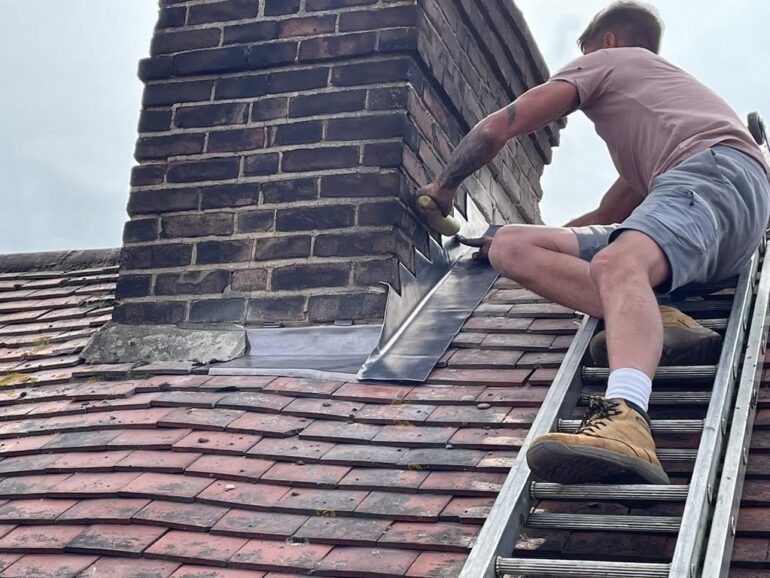
A successful repair begins with removing all damaged material. Corroded metal cannot be covered or sealed and must be taken out completely. Once removed, the area underneath must be checked for moisture or rot. If the wood sheathing is soft, it needs to be replaced before new flashing is installed. This step ensures the new metal will sit firmly in place.
Next, the new flashing must be cut to match the chimney size and roof pitch. This ensures a tight fit that directs water away from the chimney base. Step flashing pieces should overlap in a way that forces water to move downward rather than sideways. Each part must be secured with nails placed in positions that will not allow leaks to form around them.
Sealant is applied only after the metal is set correctly. Too much sealant can hide poor placement, while too little may leave gaps. When done correctly, roof flashing repair creates a clean and steady barrier that keeps moisture out even during strong storms. Using high quality metal further increases the life of the repair.
Preventing Future Corrosion Through Regular Maintenance
Maintenance is a simple but powerful way to slow corrosion. Homeowners should check chimney flashing at least once a year, especially after winter. Clearing debris around the chimney prevents moisture from sitting against the metal. If sealant begins to crack, a quick patch can stop moisture from reaching the flashing edges.
Painted or coated metal often lasts longer. Some roofers apply a protective layer that blocks water and slows the chemical reaction that causes corrosion. While this step does not stop wear completely, it gives homeowners extra years before replacement is needed.
Routine cleaning of gutters also protects chimney flashing. If gutters back up, water can pool on the roof and flow toward the chimney instead of away from it. Keeping water moving reduces the chance that flashing will stay wet for long periods.
Why Chimney Flashing Issues Need Fast Attention
Chimney areas allow water to move deeper into the home than many other roof features. Once water passes behind flashing, it can travel along beams, rafters, and insulation. This means the visible leak may appear far from the actual problem. Waiting too long gives the water more time to spread, raising repair costs.
Moisture also weakens surrounding materials. Wood loses strength, shingles break down faster, and mortar around bricks may begin to crumble. Fixing flashing early prevents these larger problems. It also supports the overall health of the roof, which depends on every part working together.
Homeowners who act quickly reduce stress and avoid unexpected expenses. Even small repairs protect the structure and help the roof last longer.
Conclusion
Chimney flashing corrosion may seem like a small issue, but it has a major effect on roof performance. Recognizing the causes, signs, and proper repair steps helps homeowners protect their homes from hidden leaks. When roof flashing repair is handled with care, it creates a strong barrier that keeps water out and maintains the safety of the home. Regular checks, clean surfaces, and quality materials all support long term stability for any roof system.