



How Technology Continues to Reshape Marketing
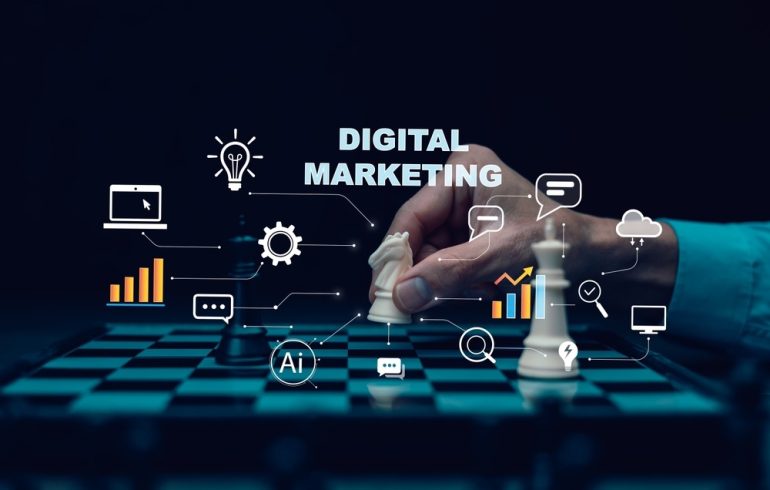
Marketing has never been static, but the pace of change in recent years has accelerated dramatically. Advances in technology and evolving consumer expectations are reshaping how brands communicate, build trust, and reach potential customers. Companies that once relied heavily on traditional advertising now operate in a digital environment where search engines, social platforms, and intelligent software influence nearly every purchasing decision.
Emerging technologies have expanded the number of ways businesses can interact with audiences. Artificial intelligence, automation tools, advanced analytics, and increasingly sophisticated marketing platforms allow organizations to understand consumer behavior in far greater detail than ever before. Instead of broadcasting generic messages to broad audiences, companies can now deliver personalized experiences based on data about how people browse, search, and engage with content online.
These technological shifts have transformed marketing from a largely creative discipline into a hybrid field that blends creativity with data science. Successful strategies now depend on understanding both the emotional motivations behind purchasing decisions and the technological systems that shape how people discover information.
At the same time, consumer behavior has evolved alongside these tools. Modern audiences expect convenience, transparency, and relevance. They want brands to understand their needs and provide helpful information before asking for a purchase. As a result, the most effective marketing strategies now prioritize education, trust-building, and long-term engagement rather than short-term promotional campaigns.
The Influence of Data and Personalization
One of the most significant technological influences on marketing is the rise of data-driven decision-making. Digital platforms generate vast amounts of information about how users interact with websites, advertisements, and online content. Marketers can analyze patterns in search behavior, page visits, and engagement metrics to understand what interests audiences most.
This insight allows businesses to create highly targeted campaigns. Instead of presenting the same message to everyone, marketers can tailor content to specific groups of people based on factors such as interests, location, and browsing behavior. For example, a retailer may recommend products based on previous purchases, while a travel company might promote destinations related to a user’s recent searches.
Personalization has become an expectation for many consumers. People often appreciate when brands deliver relevant suggestions or helpful resources that align with their needs. However, effective personalization requires careful balance. Companies must ensure that their messaging feels helpful rather than intrusive, and they must handle customer data responsibly to maintain trust.
As marketing technology continues evolving, the ability to interpret data thoughtfully will remain one of the most valuable skills in the industry.
Content and Search in a Changing Landscape
Another major shift in the marketing landscape involves the role of content. Consumers increasingly rely on search engines and online research before making purchasing decisions. Instead of responding to advertisements alone, people often seek detailed information that helps them evaluate their options.
Content marketing has emerged as a key strategy for meeting this demand. Informative articles, guides, videos, and educational resources help businesses answer the questions customers are already asking. When content provides genuine value, it builds credibility and encourages audiences to return for additional insights.
Search engines play a crucial role in connecting audiences with this content. By analyzing search queries and evaluating the relevance of web pages, search algorithms determine which resources appear in results. Businesses that create clear, informative, and well-structured content often gain greater visibility in these searches.
The rise of voice search and conversational interfaces has also influenced how content is structured. People increasingly use natural language queries when interacting with voice assistants or mobile search tools. This trend encourages marketers to focus on addressing real questions and providing comprehensive answers rather than relying solely on traditional keyword strategies.
As these technologies continue evolving, marketers must adapt their content strategies to remain visible and relevant.
Shifting Consumer Expectations
Technology alone does not drive change in marketing. Consumer expectations have evolved significantly as digital platforms become central to everyday life. Modern audiences expect faster access to information, more responsive communication, and greater transparency from the brands they interact with.
One example of this shift involves customer experience. Consumers increasingly evaluate businesses not only by the quality of their products but also by how easy it is to interact with them online. Clear website navigation, responsive customer support, and seamless mobile experiences all contribute to how people perceive a brand.
Social media has also amplified the importance of authenticity. Customers now have direct channels for sharing opinions about products and services. Reviews, recommendations, and online discussions influence purchasing decisions in ways that traditional advertising rarely did in the past.
Because of this environment, brands must approach marketing with a greater emphasis on trust and community engagement. Providing helpful content, responding to feedback, and communicating transparently help businesses build stronger relationships with their audiences.
These expectations continue to shape marketing strategies across industries, encouraging companies to focus on long-term value rather than short-term attention.
Agencies and Strategic Marketing Expertise
As the marketing landscape grows more complex, many organizations rely on specialized agencies to help navigate these changes. Marketing agencies often combine expertise in technology, analytics, content creation, and strategic planning to support businesses seeking stronger digital visibility.
For example, firms such as 97th floor represent a model of how modern marketing agencies integrate multiple disciplines into unified strategies. By analyzing data, optimizing digital content, and developing campaigns that align with evolving consumer behavior, agencies help companies adapt to a rapidly changing environment.
The presence of experienced partners allows businesses to focus on their core operations while still benefiting from advanced marketing techniques. Agencies monitor emerging trends, evaluate performance metrics, and refine campaigns based on real-world results.
Although not every organization chooses to outsource its marketing strategy, many find that external expertise can accelerate learning and improve efficiency when navigating new technologies and shifting audience expectations.
Emerging Technologies and Future Marketing Trends
Looking ahead, emerging technologies continue to expand what marketers can accomplish. Artificial intelligence is already influencing areas such as predictive analytics, automated campaign management, and personalized recommendations. These tools allow businesses to process large volumes of data and identify patterns that would be difficult for humans to analyze alone.
Augmented reality and immersive digital experiences may also influence marketing in the coming years. Brands are experimenting with ways to allow customers to visualize products in their own environments before purchasing. For instance, furniture retailers have developed applications that show how items might appear in a room using smartphone cameras.
At the same time, ethical considerations surrounding data privacy and transparency are becoming increasingly important. Governments and regulatory organizations are introducing new guidelines to ensure that companies handle personal information responsibly. Marketers must balance technological capabilities with respect for consumer privacy and trust.
These developments suggest that the marketing landscape will continue evolving as technology and consumer expectations interact.
Adapting to a Dynamic Marketing Environment
The modern marketing environment is defined by constant change. Advances in technology have expanded the tools available to marketers, while shifting consumer behavior has raised expectations for relevance, convenience, and authenticity.
Businesses that succeed in this environment focus on understanding both elements. They use data and technology to gain insights while also prioritizing meaningful communication with their audiences. By producing helpful content, responding to customer needs, and adapting strategies as technology evolves, organizations can maintain strong relationships with their audiences.
As emerging technologies continue reshaping how people discover information and interact with brands, marketing will remain a field that blends creativity, analysis, and adaptability. Companies that embrace this dynamic approach will be better prepared to connect with audiences in the years ahead.