



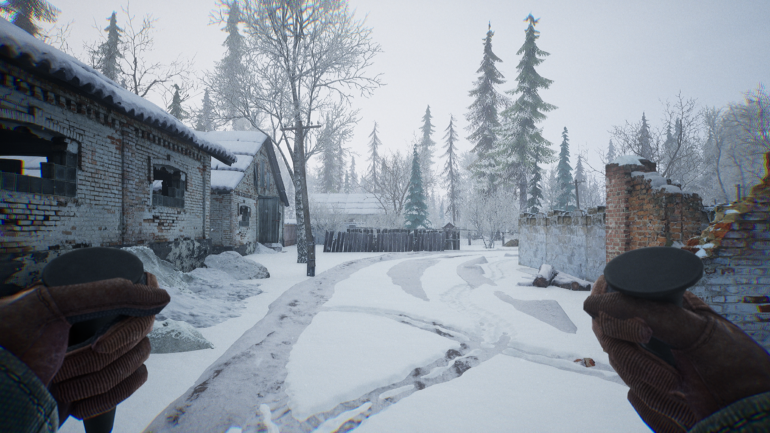
Winter in Alaska is not just a cold season. It becomes a defining part of life that influences routines, emotions, health, and community relationships. Many imagine peaceful snowy views and northern lights, but the truth is far more demanding. The season pushes people to adapt in ways visitors rarely understand. These adjustments reflect the true nature of Alaskans lifestyle, which forms around long nights, deep cold, and long stretches of isolation.
Living With Extreme Darkness
One of the biggest challenges is the limited daylight. Many towns see only a few hours of sun, while northern communities can go weeks without daylight. This affects sleep, energy, and mood. People must find ways to stay active even when the body feels slower. Light therapy lamps, early morning routines, and indoor hobbies help residents cope with the heavy impact of darkness. For newcomers, this lack of sunlight often becomes the hardest part of winter.
Dealing With Intense Cold
Cold weather creates daily challenges. Even simple tasks, like driving or walking, require preparation. Ice and heavy snow can block roads, delay schedules, and increase risks. Many residents prepare early by checking heating systems, storing supplies, and keeping emergency kits ready. Extreme cold also affects homes, cars, and water lines, so people learn to manage these issues as part of daily life. This constant relationship with the cold builds discipline and awareness.
Isolation During Long Winter Months
Isolation plays a major role in winter stress. Alaska’s towns can be far apart, and storms sometimes stop travel completely. Flights get delayed and rural roads often close. This creates long stretches where people stay indoors, sometimes for days. Community bonds help ease this isolation. Friends check on each other, families plan indoor activities, and online tools help people stay socially active. Staying connected becomes a survival skill.
Managing Food Access and Higher Costs
Winter also affects food availability and cost. Fresh produce becomes limited, and transportation delays sometimes cause shortages. Remote villages depend on stored supplies and seasonal hunting. Prices rise during winter, especially for fuel and groceries. Households often plan ahead by preserving food, budgeting carefully, and preparing meals that last longer. These habits show how winter influences financial decisions statewide.
Mental and Emotional Health Challenges
Darkness, cold, and isolation can impact emotional health. Many people struggle with low mood or restlessness during long winters. Residents stay active through indoor exercise, reading, crafts, and community events. Winter festivals, small gatherings, and shared meals help lift spirits. People learn that emotional balance depends on staying engaged, even when the season feels slow and heavy.
Challenges Faced by Children and Students
Children deal with their own set of challenges. Outdoor play becomes limited, and sports teams often move indoors for long periods. Families find creative ways to entertain and educate kids during winter months. Many parents turn to storytelling, art, puzzles, and small home projects to keep kids busy. These moments help families bond and stay positive even when the weather is harsh.
Unpredictable Transportation Issues
Travel becomes difficult throughout the season. Snow and ice affect highways and runways, causing delays and cancellations. Many communities depend on air travel for deliveries and medical needs, so winter storms can disrupt daily life. People often shift to snow machines or specialized winter vehicles when necessary. These transportation challenges show how winter affects everything from scheduling to long-term planning.
Lessons Winter Teaches Residents
Despite the challenges, winter teaches resilience. People learn patience, problem solving, and discipline. They become more organized and more aware of their surroundings. The season develops strong habits that last throughout the year. These experiences shape identity and create pride in being able to live in such a demanding environment.
Opportunities Hidden in the Winter Season
Some residents use winter as a time for growth. The quiet months help people focus on hobbies, learning new skills, or working on long-term goals. Artists, writers, and remote workers often find winter productive because it limits distractions. The season becomes a time for reflection and creativity.
Community Support Becomes Essential
Winter strengthens community bonds. Neighbors help each other shovel snow, repair vehicles, and share supplies. Rural villages especially rely on cooperation for survival. These actions create trust and unity. Community support becomes one of the most important resources during winter.
The Power and Beauty of Winter Landscapes
Nature plays a big role in the winter experience. The snow-covered mountains, frozen lakes, and silent forests give Alaska a special kind of beauty. Many people find peace in the landscape even when it makes life harder. Winter sports like skiing, snowshoeing, and snowboarding keep residents active and connected to the outdoors.
Conclusion
The hidden challenges of surviving long winters reveal the character of Alaska’s people. The season demands strength, patience, and discipline. It encourages preparation, connection, and emotional resilience. While the winter is tough, it creates some of the most capable and adaptable communities in the world. Life in Alaska becomes more meaningful because residents face the season together, turning hardship into shared strength.