



Cannabinoids And Their Role
Cannabinoids are compounds found in the cannabis plant, often called phytocannabinoids. There are over 100 of these naturally occurring chemicals. The most talked-about ones are THC and CBD. THC is the one that causes the “high” feeling, while CBD doesn’t. These cannabinoids play a big part in how cannabis affects us.
The body has its own system for dealing with these compounds. This system is called the endocannabinoid system, or ECS. It’s a complex network that helps keep things balanced. When you consume edibles, the cannabinoids from the plant interact with this system. Understanding cannabinoids is key to understanding how edibles work.
Interaction With Receptors
The endocannabinoid system has special docking stations called receptors. The two main ones are CB1 and CB2. CB1 receptors are mostly found in the brain and central nervous system. CB2 receptors are more common in the immune system and other parts of the body. Cannabinoids from edibles, like THC, bind to these receptors.
This binding is what causes different effects. For example, THC binding to CB1 receptors is responsible for the psychoactive effects. CBD, on the other hand, doesn’t bind as strongly to CB1 and CB2. Instead, it seems to influence the ECS in other ways, sometimes even blocking THC’s effects. The way cannabinoids interact with these receptors determines the overall experience.
Endogenous Ligands
It’s not just plant compounds that interact with our ECS. Our bodies also produce their own cannabinoids, called endocannabinoids. The two primary ones are anandamide (AEA) and 2-arachidonoylglycerol (2-AG). These are made by the body as needed to help maintain balance.
Think of endocannabinoids as the body’s natural keys that fit into the ECS locks (receptors). When we consume edibles, the phytocannabinoids act like similar keys, either activating or blocking these locks. This interaction between plant cannabinoids and our body’s own system is what makes cannabis edibles so interesting. The ECS is always working, and cannabinoids just add another layer to its function.
Metabolic Pathways Of Edible Cannabis
Liver Metabolism Of THC
When you eat an edible, the journey of THC is quite different from smoking it. Instead of going straight to your brain, THC takes a detour through your digestive system and heads straight for the liver. This is where the real transformation begins. The liver acts like a processing plant for THC, breaking it down into different compounds.
This metabolic process in the liver is key to understanding why edibles feel so distinct. It’s not just about the THC you initially consume; it’s about what your body turns it into. The liver’s role is central to the entire experience, influencing both the intensity and the duration of the effects you’ll feel from your edible.
Conversion To 11-Hydroxy-THC
One of the most significant transformations happening in the liver is the conversion of THC into a compound called 11-hydroxy-THC. Think of this as a supercharged version of THC. This conversion is a critical step in the metabolic pathways of edible cannabis.
11-hydroxy-THC is more potent and crosses the blood-brain barrier more easily than regular THC. This means it can produce stronger and longer-lasting psychoactive effects. The amount of 11-hydroxy-THC produced can vary from person to person, which is one reason why edible experiences can differ so much.
Bioavailability Differences
The way your body absorbs and uses cannabinoids from edibles is referred to as bioavailability. This is a major difference compared to other consumption methods like vaping or smoking.
When you ingest an edible, the bioavailability of THC is generally lower, typically between 4% and 12%. This is because some THC is lost during digestion and the initial pass through the liver. However, the THC that does make it into your bloodstream, especially after conversion to 11-hydroxy-THC, can lead to a more intense and prolonged effect.
Factors influencing bioavailability include:
- Food intake: Consuming edibles with fatty foods can increase absorption.
- Individual metabolism: Everyone’s liver processes substances differently.
- Dosage: Higher doses may have a more pronounced effect, even with lower bioavailability.
The liver’s role in metabolizing THC into 11-hydroxy-THC is the primary reason edibles produce such a different and often more potent experience than inhaled cannabis. This metabolic pathway is unique to oral consumption.
Onset And Duration Of Effects
Delayed Onset Explained
When you eat an edible, it doesn’t hit you right away like smoking might. The cannabinoids have to go through your digestive system first. This means they get absorbed slowly, and then they have to be processed by your liver. This whole process takes time, which is why you might not feel anything for a while.
The liver plays a key role in transforming THC into a more potent compound called 11-hydroxy-THC. This conversion is what leads to the stronger, longer-lasting effects often associated with edibles. Because of this metabolic pathway, the onset of effects from edibles is significantly delayed compared to other consumption methods.
It’s this journey through the body that causes the delayed onset. You’re waiting for the ingredients to be broken down and then sent to your brain. Patience is definitely a virtue when it comes to edibles.
Factors Influencing Timing
Several things can affect how long it takes for an edible to kick in. Your own body’s metabolism is a big one; some people process things faster than others. What you’ve eaten recently also matters. If your stomach is full, it can slow down absorption even more.
Here are some factors that can influence the timing:
- Food in Stomach: A full stomach can delay absorption.
- Individual Metabolism: Everyone’s body processes substances differently.
- Edible Formulation: The ingredients and how the edible is made can play a role.
- Dosage: Higher doses might take longer to fully manifest.
Think of it like this: if you’re trying to get somewhere, and there’s traffic, it’s going to take longer. Food in your stomach can be like that traffic for the cannabinoids.
Prolonged Experience
Once edibles do start working, the effects tend to last much longer than if you were to smoke or vape. This is thanks to that liver metabolism we talked about, especially the conversion to 11-hydroxy-THC. This compound is more potent and stays in your system for a good while.
Because of this extended duration, it’s really important to be mindful of your dose. What might feel like a mild effect initially can build up over time. The prolonged experience is a hallmark of edible consumption.
The extended duration means you need to plan accordingly. Unlike a quick hit that fades, edibles can keep you feeling their effects for several hours, sometimes even longer. This makes them great for sustained relief but also means you need to be prepared for the long haul.
Navigating Dosing And Potency
Understanding Dosing Guidelines
When it comes to cannabis edibles, figuring out the right amount can feel like a puzzle. Unlike smoking, where effects are almost immediate, edibles take a different route. They travel through your digestive system and get processed by your liver. This means the THC you consume gets converted into a more potent form, 11-hydroxy-THC. This conversion is why edibles hit differently and last longer. It’s vital to understand these dosing guidelines before you start.
Because the liver metabolism of THC can vary so much from person to person, what works for one might be too much or too little for another. Factors like your own body chemistry, whether you’ve eaten recently, and even your general tolerance all play a role. This is why sticking to general recommendations is a good starting point. Remember, you can always take more, but you can’t take less once it’s in your system.
Here’s a simple breakdown of common starting points:
- Beginner: 2.5 mg to 5 mg THC
- Intermediate: 5 mg to 15 mg THC
- Experienced: 15 mg to 30 mg THC (or more, with caution)
Starting Low And Slow
This is probably the most repeated advice for a reason: start low and go slow. When you eat an edible, you can’t just take a puff and decide if you need more. You have to wait. The effects can take anywhere from 30 minutes to a couple of hours to fully kick in. If you don’t feel anything after an hour, it’s tempting to eat more, but resist that urge. Give your body ample time to process the first dose.
Waiting is key. If you find that the initial dose wasn’t enough after a solid two hours, then you can consider a small increase. But always remember the conversion to 11-hydroxy-THC. This means the potency can increase significantly over time. What felt mild initially might become much stronger later on. Patience is your best friend here.
Think of it like this: you’re testing the waters. You dip a toe in, see how it feels, and then decide if you want to go for a swim. You wouldn’t just jump into the deep end without checking the temperature, right? The same applies to edibles. This approach helps you avoid any uncomfortable surprises and ensures a more pleasant experience.
Finding Your Optimal Threshold
Your optimal threshold is that sweet spot where you get the desired effects without any unwanted side effects. It’s a personal journey, and it’s different for everyone. What might be a perfect dose for your friend could be too much or too little for you. This is where careful observation and record-keeping can be really helpful.
Pay attention to how you feel at different doses and at different times. Did you take it on an empty stomach or after a meal? How long did it take to feel the effects? How long did they last? Jotting down these details can help you identify patterns and understand what works best for your body. This is especially important when exploring high-potency edibles.
The goal is to find a dose that provides relief or enjoyment without causing anxiety, paranoia, or excessive sedation. It’s about control and comfort, ensuring that the experience is positive and aligns with your intentions for using cannabis edibles.
Potential Health Benefits Of Edibles
Pain Management Properties
Edible cannabis has shown promise in helping people manage pain. The cannabinoids, particularly THC, interact with the body’s systems to reduce pain signals. This makes edibles a potential option for those dealing with chronic pain conditions. The analgesic properties of THC can offer relief where other methods might fall short.
Anxiety And Sleep Support
Many individuals turn to edibles for help with anxiety and sleep issues. CBD, a non-psychoactive cannabinoid, is often credited with calming effects. Some studies suggest that CBD can help reduce anxiety symptoms and improve sleep quality. Finding the right balance is key, as THC can have different effects depending on the dose.
Therapeutic Potential Research
Research into the therapeutic potential of edibles is ongoing. Beyond pain and sleep, studies are exploring how edibles might help with nausea, appetite stimulation, and symptoms related to conditions like multiple sclerosis. The full scope of edible cannabis benefits is still being uncovered. More investigation is needed to fully understand these effects and how they can be best applied.
Risks And Precautions For Consumption
The Risk Of Overconsumption
Edibles can be tricky. Because they take a while to kick in, it’s easy to think you haven’t taken enough and end up taking more. This is a common pitfall, leading to an unpleasant experience. The delayed onset is the primary reason overconsumption happens. It’s important to remember that edibles are processed differently than inhaled cannabis, and patience is key.
When you eat an edible, THC goes through your liver and turns into 11-hydroxy-THC. This form is more potent and lasts longer. This metabolic pathway means the effects can be much stronger and last for hours. Understanding this process helps explain why overconsumption is a real risk with edibles.
To avoid this, always start with a very low dose, especially if you’re new to edibles. Wait at least two hours before considering taking more. It’s better to feel like you didn’t take enough and have a mild experience than to overdo it and feel sick. Responsible consumption starts with respecting the timeline of edibles.
Potential Side Effects
Taking too much of an edible can lead to some uncomfortable side effects. These can include feeling very anxious, paranoid, or even experiencing hallucinations. Nausea and a general feeling of being unwell are also common. Your coordination can be impaired, making simple tasks difficult.
These effects are usually temporary, but they can be quite intense and frightening. The duration of these side effects can also be prolonged due to how edibles are metabolized. It’s a stark reminder that while edibles can offer benefits, they also carry risks if not approached with caution.
It’s also worth noting that edibles can interact with other substances, like alcohol, potentially intensifying these side effects. If you have any pre-existing health conditions, especially mental health concerns, it’s wise to consult a doctor before trying edibles.
Responsible Usage Practices
Responsible use of edibles means being informed and cautious. Always check the potency and serving size. Start with the lowest possible dose, often 5mg or less, and wait a full two hours to see how it affects you. This approach minimizes the risk of overconsumption and unpleasant side effects.
Keep edibles stored safely, away from children and pets, as they can easily be mistaken for regular snacks. Never drive or operate heavy machinery after consuming edibles, as your judgment and reaction times will be impaired. Be mindful of your surroundings and have a trusted person with you if you are trying a new product or a higher dose.
Educate yourself about how edibles work, their potential effects, and how long they last. This knowledge is your best tool for a safe and enjoyable experience. Remember, the goal is to find a comfortable level of effects, not to push your limits.
Long-Term Implications Of Use
Dependence and Addiction Concerns
Regular, extended use of cannabis edibles can lead to dependence for some individuals. This condition, often called cannabis use disorder, means a person has trouble controlling their use. They might experience withdrawal symptoms if they stop, and it can negatively affect their daily life. It’s important to be aware that while edibles might seem less risky, the potential for dependence is real with consistent consumption.
Cognitive Impact
Research suggests that starting cannabis use, especially edibles, at a young age while the brain is still developing might impact cognitive functions. Studies have observed potential effects on memory, attention, and learning abilities in individuals with a history of heavy, long-term cannabis use. The brain’s development phase is particularly sensitive to external influences.
Respiratory Health Considerations
Unlike smoking, edibles do not directly impact the lungs. This is a significant difference for respiratory health. However, the long-term implications of cannabis consumption, regardless of the method, are still being studied. While edibles bypass the direct inhalation of smoke, which is linked to issues like bronchitis, the overall systemic effects of prolonged use are an area of ongoing scientific interest. It’s wise to consider all aspects of consumption when thinking about long-term health.
Find THC and CBD Edibles Here

Exploring High-Potency Edibles
When looking for potent options, understanding the science behind THC and CBD edibles is key. These products offer a different experience than inhaled cannabis. The liver metabolizes THC into 11-hydroxy-THC, a more powerful compound. This conversion leads to stronger, longer-lasting effects. Exploring high-potency edibles means being prepared for a more intense journey.
Variety of Edible Products
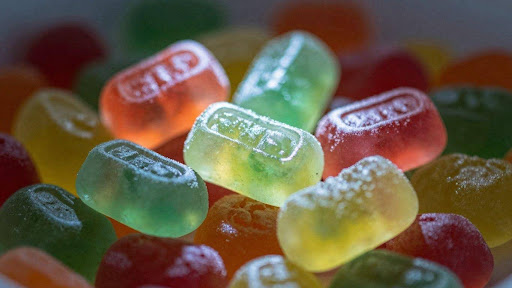
The world of edibles is vast. You can find everything from gummies and chocolates to baked goods and beverages. Each type offers a unique way to consume cannabinoids. The variety ensures there’s something for everyone, whether you prefer a sweet treat or a refreshing drink. Finding the right edible product can make all the difference in your experience, and shoppers looking for a wider selection of THC and CBD options can Find THC and CBD edibles here through platforms like Pure Shaka, which curate products designed to suit different preferences and potency needs.
Quality and Sourcing
When choosing THC and CBD edibles, quality and sourcing matter. Look for products from reputable brands that provide third-party lab testing. This ensures potency and purity. Knowing where your edibles come from helps you consume them safely. Always check the cannabinoid content and understand the dosing guidelines before you indulge.
Wrapping Up Our Edibles Exploration
So, we’ve looked at how cannabis edibles work in the body. It’s pretty interesting how the liver changes THC into something stronger, which is why the effects hit later but stick around longer than other methods. Knowing this stuff helps you figure out how much to take and when to expect things to kick in. It’s not just about getting high; there are potential benefits too, but it’s smart to be aware of the risks, especially with long-term use. Basically, understanding the science helps you use edibles more safely and make better choices for yourself.