

The world of film has always been attracted to casinos. These are the areas where luck and plan come together, where money can be lost or won in a matter of seconds, and where the minds of people are the most visible among the neon lights and velvet curtains. Through the years, casino scenes have been the easy way to show the themes of danger, influence, and change coming from the smoky back rooms or the luxurious gaming floors.
Some of the most amazing and memorable moments in film history have taken place not during car chases or on battlefields, but within casinos—amidst the shuffling of cards and the spinning of roulette wheels. You can find many of these cinematic moments in this list of gambling movies on Netflix.
Why Casinos Work So Well on Screen
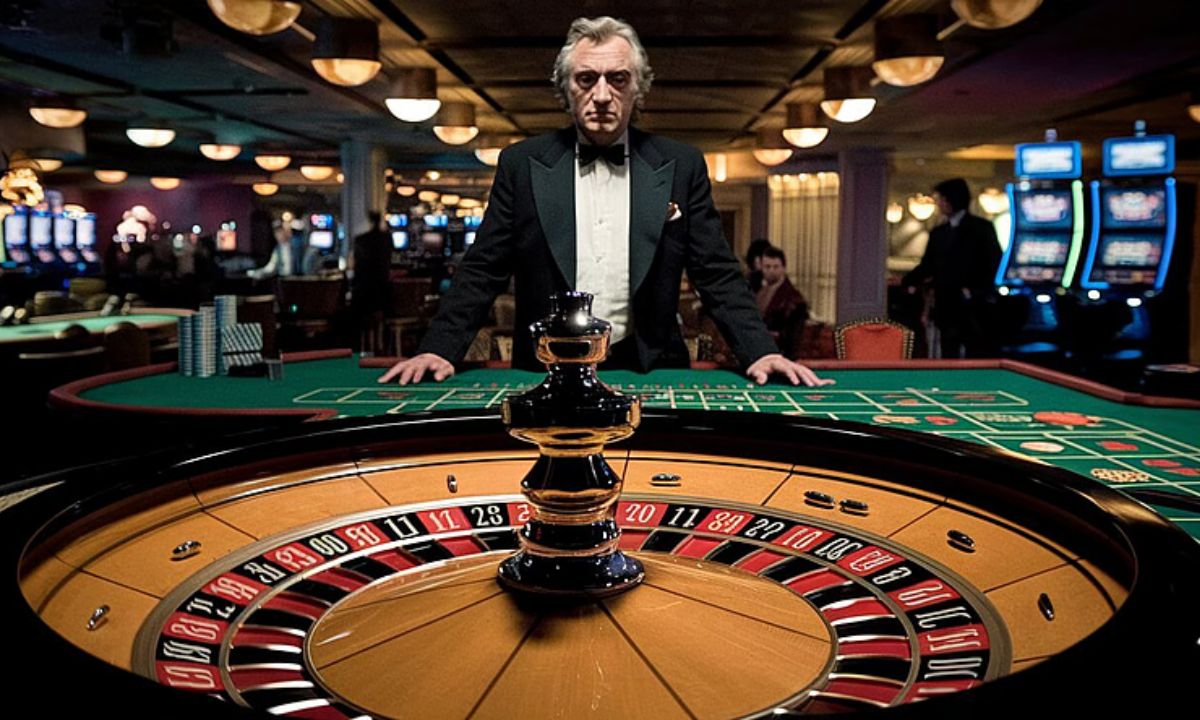
Casinos, by their nature, are very visual because they bring conflict very close in a single, tightly controlled space. Every look is important. Every silence is significant. A character may not need to change their position much; the tension could be in their face, their fingers, and how they make a bet. Directors put characters in a casino setting to show the characters’ struggle inside their mind. Greed, fear, confidence, and despair become these characters’ faces in just a few minutes. It’s no wonder that gambling movies on Netflix capture this intense drama so well.
On the other hand, casinos provide a diverse visual range to the filmmakers. The bright and flashy lights are in stark contrast with the dark and evil intents. The sounds of chips clicking and slot machines buzzing are always there, while the solitude of a high-stakes table is making the characters feel vulnerable. All of these aspects make casinos perfect places for the battle of the mind to take place.
Casino Royale and the Art of the Poker Duel
There are almost no casino scenes that are as well-done as the poker showdown in Casino Royale (2006). This movie not only changes the image of James Bond for the 21st-century crowd but also its main gambling episode is evidence of such change. The old tricks and the camp are gone; what is left is a fierce, orderly fight of brains and stamina.
It is like a war of attrition that the Texas Hold’em match between Bond and Le Chiffre is telling. Director Martin Campbell employs very close-up shots, slow tempo, and intentional silence to create an atmosphere thicker with the expectation of the outcome. Every hand seems to be the turning point, not because there are lots of exciting things going on, but because of what the characters’ side is unveiled. Bond’s losing everything, getting it back, and going on with the game once more is very much like his journey in the film, logically connected with his feelings. The casino turns into a place where, apart from skills, it is his character that is tested.
Goodfellas and the Casino as a Machine
In Goodfellas (1990), the casino is far from being a glamorous place that one would expect. Martin Scorsese shows it as a system, a very efficient and ruthless money-extracting machine. The whole sequence that shows how the mob takes over a Las Vegas casino is Scorsese’s way of telling us that there’s no magic but only a cold and stubborn reality behind it all.
This moment’s strength is mainly due to its storytelling and pace. The listeners are made privy through Henry Hill’s narration of how each dice roll and every blackjack hand is a vehicle that carry more fuel to the criminal ecosystem. The casino floor is just another arm of the mob’s world, where chances are only a cover for control. Unlike other films that zoom in on individual bets, Goodfellas depicts the movie house as a symbol of institutionalized greed.
The Sting and the Pleasure of the Long Con
The Sting (1973) presents a different version of casino-style gambling, where it largely emphasizes the element of deception rather than the element of chance. The climax of the scene with the fake betting parlor is, in fact, least about the game and more about the acting. Not a single movement, a single shouted wager, or even a fabricated reaction is, in fact, a part of an extensive deception.
This is actually a very well-known scene because it revolves around the question of what is the play that is hidden behind the play. The audience is given an almost sneaky privilege of seeing how the trick is being conducted while still being surprised by the final revelation. Gambling is the main character here, and the casino setting is simply there to make the whole thing more exciting. The delight does not come from winning money but from the act of cleverly outwitting the opponent who, in his foolishness, thinks that he has all the power.
Fear and Loathing in Las Vegas and Chaos at the Tables
Not all casino scenes are about power and calculation. Fear and Loathing in Las Vegas (1998) adopts the use of casinos as a metaphor for excess, disorientation, and the dark side of the American Dream. The gambling floors in Terry Gilliam’s movie are dream-like, overpowering, and unfriendly.
In this case, the casino is a terrifying labyrinth instead of a playground for the rich. The blinking lights and never-ending noise intensify the protagonists’ feeling of being persecuted and losing touch with reality. Gambling is just a minor thing; what really matters is how the environment can consume people. Such a depiction takes away the lighting of casinos and shows them as signs of cultural decay and sensory overload.
Why These Scenes Endure
Iconic casino scenes live on as they are almost never just about gambling. They revolve around the idea of transformation. Characters, generally speaking, are the ones who enter gambling houses in search of something more tangible, most of the time money or influence, but at the end of the day, they find out who they really are. Consequently, the bet becomes the emblem of such a momentous choice in life.
With such a dramatic reduction of risk to a single moment, cinema can do no other than to depict casino scenes over and over again. There is absolutely no way to conceal when the stakes are at their highest, and the cards are dealt. It is that very clarity, surrounded by grandeur and unrest, which makes it an indelible mark that the great and last bet will always be there somewhere on the silver screen.
ALSO READ: Unlimited Free Spins Opportunities Strengthen Engagement Across Online Casino Play