



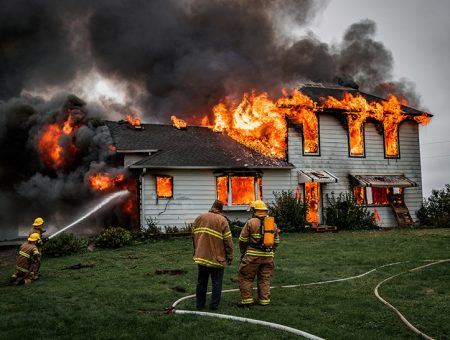
Home fires are a devastating reality that can happen to anyone, often without warning. While the thought of a fire can be alarming, understanding the leading causes of home fires and taking proactive steps can dramatically reduce your risk. From simple kitchen mishaps to faulty wiring, many fire hazards are preventable with awareness and preparation.
1. Cooking Accidents
Cooking is the leading cause of home fires, responsible for nearly half of all reported incidents. Unattended stoves, grease splatters, and combustible items left too close to heat sources are frequent culprits.
Prevention Tips:
- Never leave cooking unattended, especially when frying, broiling, or grilling.
- Keep flammable items, like paper towels or dishcloths, away from the stove.
- Clean cooking surfaces regularly to prevent grease buildup, which can ignite easily.
- Keep a fire extinguisher in the kitchen and know how to use it.
2. Heating Equipment
Portable heaters, fireplaces, and central heating systems contribute to many home fires, especially during colder months. Improper use or poor maintenance can quickly turn a source of warmth into a danger.
Prevention Tips:
- Maintain at least three feet of clearance around heaters.
- Ensure fireplaces and chimneys are cleaned annually.
- Turn off portable heaters when leaving the room or going to sleep.
- Regularly inspect furnaces, boilers, and space heaters for faults.
3. Electrical Malfunctions
Faulty wiring, overloaded outlets, and malfunctioning appliances are silent but significant fire risks. Electrical fires often start behind walls or in hidden areas, making them especially dangerous.
Prevention Tips:
- Avoid overloading outlets or power strips.
- Replace frayed cords immediately.
- Consider having a licensed electrician inspect your home wiring periodically.
- If an appliance sparks or smells unusual, stop using it until it’s repaired—appliance repair in Syracuse can help ensure safety and proper functioning.
4. Smoking Indoors
Smoking remains a common cause of home fires. Cigarettes left unattended, dropped on furniture, or improperly extinguished can ignite flammable materials in seconds.
Prevention Tips:
- Smoke outside whenever possible.
- Use deep, sturdy ashtrays and ensure cigarettes are fully extinguished.
- Never smoke in bed or when drowsy.
- Keep lighters and matches out of reach of children.
5. Candles and Open Flames
Candles, lanterns, and other open flames may create a cozy ambiance, but they are frequent fire starters. Even a small spark can quickly escalate if placed near flammable objects.
Prevention Tips:
- Never leave candles unattended.
- Keep candles at least a foot away from anything that can burn.
- Consider flameless LED candles for a safer alternative.
- Always extinguish candles before leaving a room or going to bed.
6. Children Playing with Fire
Curiosity can be dangerous. Matches, lighters, or other fire sources in the hands of children can lead to serious accidents.
Prevention Tips:
- Educate children about fire safety from an early age.
- Store lighters and matches in locked cabinets.
- Supervise children closely around fire sources.
7. Flammable Liquids and Chemicals
Products like gasoline, paint thinners, and cleaning chemicals are highly flammable and can ignite from a spark or heat source. Improper storage or careless use can easily cause a fire.
Prevention Tips:
- Store flammable liquids in approved containers away from heat sources.
- Never pour flammable liquids near open flames.
- Keep these materials in a well-ventilated area.
Final Thoughts
Most home fires are preventable with awareness and simple safety practices. Regular maintenance, careful monitoring of heat sources, and safe handling of appliances and chemicals can save lives and property. By understanding these risks and taking proactive steps, you can protect your home and family from devastating fire incidents.
Being vigilant today is far better than dealing with the consequences tomorrow. Whether it’s updating faulty wiring, supervising cooking, or calling an expert for appliance repair in Syracuse, every precaution counts. Remember, safety is a
combination of knowledge, preparedness, and action—your family’s well-being depends on it.