

Stickers seem simple—just adhesive designs on backing—until you start exploring the options. With numerous types of stickers available, each serving different purposes, making the right choice requires understanding what distinguishes them. This guide helps you navigate the options confidently and choose the perfect sticker type for any application.
Using the wrong sticker type leads to disappointment. A beautiful design on inappropriate material fails quickly. A sticker perfect for outdoor use might be unnecessary for indoor journaling. Understanding types of stickers prevents wasted money and ensures your stickers perform as expected in their intended application.
Common Sticker Materials and Their Uses
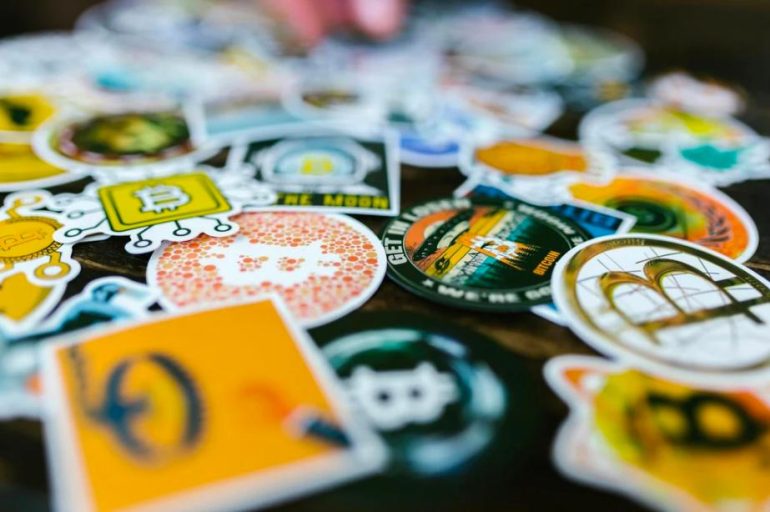
Image: RDNE
The material your sticker is made from fundamentally determines its performance. From delicate paper to rugged vinyl, each material serves specific purposes. Let’s explore the most common options and their ideal applications.
Paper Stickers
Paper stickers represent the most basic option. They work well for indoor applications, envelope seals, gift toppers, and children’s crafts. Their affordability makes them practical for bulk uses where long-term durability isn’t required. However, paper stickers aren’t water-resistant and can tear easily.
Paper stickers are best reserved for applications where they’ll encounter minimal handling and no moisture. They’re perfect for scrapbooking, card making, and temporary decorations. The matte surface provides excellent printing quality for detailed designs.
When choosing paper stickers, look for heavier weights that feel substantial rather than flimsy. Quality paper stickers have smooth, even surfaces that display colors accurately. Lower-quality options may have uneven texture that affects print quality.
Vinyl Stickers
Vinyl stickers dominate the market for good reason. They resist water, weather, and UV exposure, surviving outdoor conditions that would destroy paper alternatives. Vinyl maintains its color and adhesion on laptops, water bottles, cars, and outdoor equipment. For most practical uses beyond paper crafting, vinyl delivers the best value.
Premium vinyl options can last outdoors for years without significant fading or peeling. The material’s flexibility allows application on curved surfaces, while its durability handles regular handling and environmental exposure.
White vinyl provides opaque backgrounds that make colors pop. Clear vinyl offers transparent alternatives for applications where you want the surface beneath to show through. Each has specific use cases where it excels.
Clear Stickers
Clear stickers offer a unique aesthetic. With transparent backgrounds, they appear integrated onto whatever surface they decorate. They’re particularly popular for product packaging, window decorations, and situations where you want the design to stand out without visible backing.
The seamless appearance creates a more professional look than white-bordered alternatives. Clear stickers work especially well on glass, mirrors, and transparent containers where the background adds to the design rather than interrupting it.
Application requires clean, smooth surfaces for best results. Any dust or debris beneath clear stickers becomes visible, so proper surface preparation matters significantly.
Holographic Stickers
Holographic stickers create visual impact through rainbow light effects. The shimmering appearance draws attention, making them popular for brand stickers, product labels, and promotional giveaways. They’re typically vinyl-based, inheriting that material’s durability.
The eye-catching nature of holographic stickers makes them effective for products targeting younger demographics or brands wanting to stand out. The prismatic effect adds visual interest that standard printing cannot match.
Holographic finishes work best with simple, bold designs. Complex illustrations can get lost in the shimmer effect. Consider your design carefully when choosing holographic finishes.
Foil Stickers
Foil stickers provide metallic shine in gold, silver, and other colors. They create premium perceptions, popular for business cards, special event labels, and luxury product packaging. The reflective quality stands out even in small sizes.
Foil stickers work particularly well for wedding invitations, VIP event materials, and premium product labels. The metallic finish elevates perceived value significantly.
Real foil printing uses heat and pressure to apply metallic foil to adhesive material. This creates genuine reflective surfaces rather than printed metallic effects, which look flatter and less impressive in person.
Understanding Cutting Styles
Beyond material, how your stickers are cut affects their appearance and functionality. Understanding cutting styles helps you choose the right format for your needs.
Die-Cut Stickers
Die-cut stickers are cut precisely to your design shape, leaving no surrounding material. They’re the standard for most custom stickers, working well for logos, illustrations, and most graphic designs. The clean edges create a professional appearance suitable for business use.
The process involves custom-made cutting dies for each design, which adds to per-unit cost for small quantities but becomes economical at scale. Die-cut stickers can be challenging to peel from their backing initially but stay firmly in place once applied.
Any complex shapes or intricate details require die-cutting. The technology has advanced significantly, allowing cutting through detailed designs that would have been impossible years ago.
Kiss-Cut Stickers
Kiss-cut stickers cut only through the sticker material while keeping the backing intact. This creates individual stickers on a larger sheet—popular for sticker packs, business card-sized sets, and designs meant to be distributed individually.
The intact backing makes them easier to store and distribute than die-cut options. They’re practical for promotional giveaways where people take multiple stickers, as the backing keeps everything organized.
Kiss-cut options typically cost less than die-cut for the same quantity, making them attractive for larger orders or budget-conscious projects.
Sheet Stickers
Sheet stickers keep multiple designs or multiple copies on one backing sheet. They’re practical for organization labels, return address labels, and scenarios where users peel stickers individually from a unified backing.
Sheet stickers are commonly used for address labels, product warning labels, and instructional stickers. They’re designed for practicality rather than display, prioritizing function over aesthetics.
Specialty Sticker Options
Beyond standard options, several specialty types serve specific needs. These might be exactly what your project requires—or completely unnecessary depending on your situation.
Removable Stickers
Removable stickers use lower-tack adhesives allowing clean removal without residue. They work perfectly for temporary applications like wall decals, seasonal decorations, and children’s projects where you might want to reposition or remove later.
However, removable adhesives sacrifice some long-term durability, so they’re not ideal for applications requiring permanent adhesion. They work best for short-term use where easy removal matters more than extended lifespan.
Testing on a small area first helps ensure the adhesive won’t damage sensitive surfaces. Some removable stickers can still leave residue on porous materials.
Static Clings
Static clings use electrostatic adhesion instead of adhesive, sticking to smooth surfaces like windows without glue. They’re reusable and leave no residue, ideal for temporary window decorations, store promotions, or rental property signage.
Static clings work best on smooth, flat surfaces. Textured glass, rough walls, or curved surfaces prevent proper adhesion. They require no adhesive but also provide less reliable attachment than traditional stickers.
Cleaning the surface before application significantly improves adhesion. Any dust or oils reduce the electrostatic effect that makes static clings work.
Heat-Activated Stickers
Heat-activated stickers require application with heat (usually an iron) for permanent bonding. They work well for fabric applications like garment labels, team uniforms, and textile crafts.
The heat activates adhesive that bonds strongly with fabric fibers, surviving repeated washing when properly applied. These specialized stickers require specific application techniques and equipment.
Consider whether your intended surface can handle heat application before choosing heat-activated options. Delicate fabrics might be damaged by the required temperatures.
UV DTF Stickers
UV DTF stickers represent newer technology using UV-curable inks for exceptional durability. They bond strongly to hard surfaces including metals, plastics, and glass, surviving extreme conditions that defeat conventional stickers.
This technology creates a slightly raised texture that adds visual interest and tactile appeal. The durability makes UV DTF suitable for products requiring long-lasting graphics in challenging environments.
This newer technology often costs more than traditional sticker types, but the extended lifespan and unique appearance justify premium pricing for appropriate applications.
Matching Sticker Type to Your Project
With so many options available, how do you actually choose the right sticker type for your specific project? Let’s examine common scenarios and recommended solutions.
Product Label Considerations
For product labels, consider vinyl for durability or foil for premium perception. Food and beverage labels require materials rated for contact with consumables. Cosmetic and skincare products have specific regulatory requirements for label materials that vary by region.
Product labels need to survive the conditions your product will encounter. A bath product label needs moisture resistance; a food label might need temperature resistance.
Event and Promotional Use
Event giveaways often benefit from die-cut vinyl with vibrant colors. The professional appearance reflects well on your brand. Consider including your contact information or social media handles on promotional stickers to maximize their marketing value.
Think about where and how stickers will be distributed. Outdoor events might require more durable materials than indoor gatherings.
Children’s and Craft Projects
Children’s crafts typically work fine with paper stickers. The lower cost matters when creating projects requiring many stickers. However, for projects meant to last or be handled frequently, consider upgraded materials.
Non-toxic materials matter significantly for children’s products. Always verify safety certifications when stickers will be handled by children.
Outdoor Applications
Outdoor applications absolutely require vinyl or similar weather-resistant materials. Consider UV exposure, temperature extremes, and moisture when selecting outdoor stickers. Premium outdoor vinyl with UV-resistant inks costs more but significantly extends the sticker’s lifespan.
Marine environments present particular challenges with salt exposure. Specialized marine-grade materials exist for boat and water craft applications.
Quality Indicators to Evaluate
Not all stickers are created equal, even within the same category. Knowing what to look for helps you identify quality products that deliver value.
Print Quality Factors
Quality matters even within categories. Well-made vinyl stickers maintain color vibrancy for years. Poor quality alternatives fade, peel, or lose adhesion prematurely. Evaluate print resolution, material thickness, and adhesive quality when comparing options.
Print resolution affects detail clarity and color vibrancy. Professional printing uses high DPI (dots per inch) for smooth gradients and sharp text. Check sample prints when possible before ordering large quantities.
Material Thickness and Adhesion
Material thickness impacts durability and premium perception. While thicker isn’t always better, flimsy materials often indicate lower quality. Premium vinyl typically ranges from 2-4 mil thickness for optimal balance of flexibility and durability.
Adhesive quality determines how well stickers stick and for how long. High-quality adhesives maintain grip while allowing clean removal when needed. Cheap adhesives may fail prematurely or leave residue.
Conclusion
Finding the right sticker type requires understanding your specific needs and matching them to available options. With this knowledge of types of stickers, you can make informed decisions that deliver real value.
Remember to consider your actual application first—outdoor use demands different materials than indoor crafting. Evaluate quality indicators carefully, and don’t hesitate to request samples when ordering in bulk. Whether you’re creating sticker types for business or personal projects, the right choice makes all the difference in final results.