



Cosmetics are a daily part of life for millions, yet some ingredients may be less familiar than the colors they produce. Lipstick, in particular, can contain trace amounts of metals that are also used in industrial applications. While these metals are generally present at low levels, repeated exposure over time may accumulate in the body. Awareness of these ingredients is important for maintaining health while enjoying everyday products. Regulatory agencies and modern testing help ensure safety, guiding consumers toward safer choices. In this article, the metals present in lipstick and their implications for everyday use are explored.
- The Shared Ingredient: Lead
Lead adds durability to lipstick
Lead is a naturally occurring metal that has been used in cosmetics for decades. In lipstick, it helps provide stability and a smooth, long-lasting finish. Even though only tiny amounts are present, lead is the same metal used in car batteries, highlighting its industrial versatility. Regular application can contribute to small, repeated exposures over time, especially if lipstick is ingested during meals or lip-licking habits. Consumers often assume cosmetics are completely inert, yet trace metals like lead can still be absorbed. Awareness of this connection emphasizes the importance of safety limits in formulation and daily use.
Same metal powers car batteries
The lead in lipstick and car batteries is chemically similar, though the concentration and exposure differ dramatically. Car batteries contain lead in large amounts for energy storage, while cosmetic formulas use minuscule quantities for performance. This similarity illustrates that heavy metals are not limited to industrial environments—they can appear in everyday products. Even low-level exposure matters if it occurs daily over months or years. Understanding the shared presence of metals encourages mindfulness in cosmetic use. Safety regulations help ensure that cosmetic lead levels remain well below thresholds of concern.
- Other Metals Hide in Makeup
Cadmium appears in red pigments
Cadmium is another metal that can be found in certain red or orange pigments used in lipstick. It provides vibrant, long-lasting color, but its presence also introduces potential exposure to a heavy metal. Cadmium accumulates slowly in the body over time, which is why regulations limit its concentration in cosmetics. Manufacturers source pigments carefully to minimize contamination, but trace amounts may remain. Daily application of brightly colored lipstick can add to overall cadmium intake, albeit usually at safe levels. Awareness of cadmium in lip products helps users make informed decisions about frequency and quantity of use.
Chromium gives lipsticks their shine
Chromium compounds are commonly included to produce metallic or glossy finishes in lipsticks. They create attractive visual effects that appeal to many consumers while also enhancing product durability. Like other metals, chromium can be absorbed in small amounts through the skin or lips. Cosmetic testing ensures that concentrations remain within limits deemed safe for regular use. Repeated application increases total exposure slightly, highlighting the importance of monitoring cumulative intake. Understanding chromium’s role encourages conscious use and reinforces the value of regulatory oversight in everyday products.
- How Metals Get Into Cosmetics
Naturally present in mineral ingredients
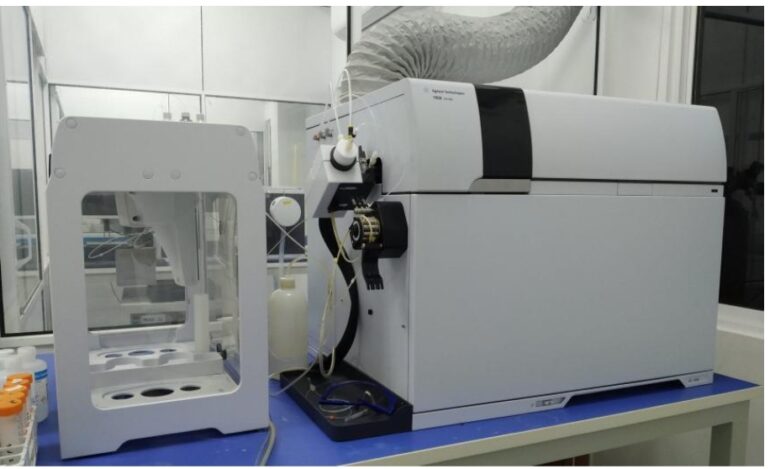
Many cosmetic pigments come from naturally mined minerals, which may contain trace metals like lead, cadmium, or chromium. Even carefully refined pigments may carry tiny metal residues from the source material. While manufacturers work to purify ingredients, complete elimination of metals is difficult due to their natural occurrence. Advanced lab techniques, such as icp ms, allow precise detection of these metals and confirm that products meet safety standards. Daily cosmetic use can result in repeated, low-level exposure, making accurate testing essential. Recognizing the natural origin of metals helps consumers understand why trace amounts exist even in high-quality products.
Contamination during manufacturing
In addition to naturally occurring metals, small amounts can enter cosmetics during production. Equipment, processing containers, or environmental dust may contribute trace metals to final products. Quality control measures aim to minimize these contaminants and comply with strict safety regulations. Laboratory testing verifies that metal levels remain below regulatory limits for safe consumer use. Even with low levels, vigilance ensures that cosmetic enjoyment does not come at the expense of health. Understanding potential sources of contamination helps consumers make informed choices about the products they use daily.

- Daily Use Means Daily Exposure
Metals accumulate in the body
Lipstick is applied multiple times throughout the day, which can lead to gradual accumulation of metals over months or years. Though each application contains tiny amounts, the cumulative effect is what researchers monitor. Exposure is especially relevant for lead, cadmium, and chromium, which can persist in the body if ingested regularly. Swallowing small amounts while eating or licking lips contributes to total intake. Consumers should be aware that even small daily exposures add up over time. Practical awareness helps users maintain safety while enjoying cosmetic routines.
Swallowing lipstick adds to intake
Even small amounts ingested from daily lipstick application can contribute to overall metal intake. While regulators set safety limits, understanding that repeated swallowing increases exposure is important for informed decision-making. Choosing products with minimal heavy metal content, rotating colors, or limiting daily applications can help reduce cumulative intake. Children and pregnant individuals may be more sensitive to even low-level exposure, warranting extra caution. Regularly checking labels and relying on tested products ensures safer use. Practical steps in daily life can effectively minimize potential risks while allowing cosmetic enjoyment.
Conclusion
Lipstick contains trace metals such as lead, cadmium, and chromium, which are also used in industrial applications like car batteries. While exposure from cosmetics is typically very low, repeated daily use can contribute to cumulative intake over time. Modern testing ensures that metal levels remain within safe limits, giving consumers confidence in their choices. Understanding how metals enter lipstick—from natural pigments to manufacturing processes—provides context for everyday exposure. Awareness of cumulative use and cautious application ensures cosmetics remain safe while providing the desired aesthetic effects. By combining informed choices with regulated products, daily lipstick use can remain both enjoyable and responsible.