



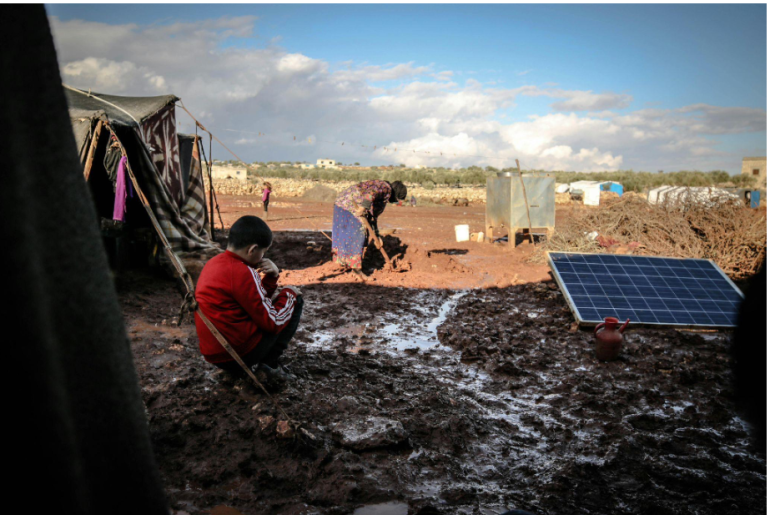
A missile doesn’t distinguish between a school and a military base. Neither does hunger. Neither does trauma. And yet, every single day, millions of children wake up in the rubble of a war they never started, and somehow, they still reach for the future.
That reach is fris agile, instinctive, and profoundly human, and it’s exactly what humanitarian aid for children exists to protect and strengthen.
War doesn’t just destroy buildings. It dismantles the invisible architecture of childhood: safety, routine, learning, play, and trust. Rebuilding that architecture requires more than food drops and medical kits. It demands a long-term, layered response that meets children where they are emotionally, educationally, and developmentally.
What Humanitarian Aid for Children Actually Does
Most people think of humanitarian aid as emergency supplies, canned food, tents, and water purification tablets. That’s one layer. But effective aid for children operates across multiple dimensions simultaneously.
1. Immediate Safety and Protection
The priority is always physical safety. Aid organizations establish child-friendly spaces in displacement camps and conflict zones, protected areas where children can be children. These spaces offer temporary shelter from chaos and serve as entry points for identifying children who have experienced abuse, trafficking, or forced recruitment.
Child protection workers conduct screenings, connect families, and work with local authorities to prevent exploitation during the most vulnerable post-conflict window.
2. Restoring Education
War shuts schools. Humanitarian aid sometimes reopens them, literally in tents or under trees.
| What Education Aid Delivers | Why It Matters |
| Temporary learning spaces | Restores routine and sense of normalcy |
| Trained teachers and psychosocial support | Addresses trauma alongside academics |
| School supplies and learning materials | Signals safety and stability to children |
| Remote/digital learning tools | Reaches displaced and refugee children |
| Accelerated learning programs | Helps older children recover lost years |
Education is not a luxury during conflict; it’s a protective mechanism. A child in school is less vulnerable to recruitment, exploitation, and despair.
3. Mental Health and Psychosocial Support
Here’s where most conventional aid falls short and where the gap is most devastating.
Children who witness violence, lose parents, or flee their homes carry invisible wounds. Nightmares, hypervigilance, emotional shutdown, and aggression are symptoms of trauma, not character flaws. Without targeted support, these children grow into adults who struggle to function, parent, and contribute to their communities.
Effective psychosocial programs train local counselors, engage parents, and use play-based therapies that children can actually access. The goal isn’t to erase what happened; it’s to rebuild the child’s capacity to process, adapt, and move forward.
4. Community-Based Recovery
Children recover best when families and communities stabilize alongside them.
Community-centered aid focuses on:
- Training local teachers and caregivers
- Supporting parent education programs
- Strengthening youth leadership
- Rebuilding social networks
This approach shifts from short-term relief to long-term resilience.
| Program Focus | Recovery Impact |
| Education access | Restores structure and routine |
| Child protection | Reduces vulnerability to exploitation |
| Psychosocial care | Supports emotional healing |
| Family engagement | Strengthens stability at home |
| Community rebuilding | Encourages sustainable recovery |
Holistic humanitarian aid for children recognizes that childhood recovery depends on entire ecosystems.
The Role of Donors and Advocates in This Work
Aid doesn’t appear from nowhere. It arrives because people choose to fund it, advocate for it, and refuse to look away.
Donors who support child-focused non-profits working in conflict zones make specific things possible: a trained counselor in a Syrian refugee camp, a temporary school in South Sudan, a family reunification program in Ukraine. According to Development Initiatives, only 2.1% of global humanitarian funding is explicitly earmarked for children’s programs, a staggering gap given that children make up nearly half of those affected by conflict.
That gap is the opportunity. Every dollar directed specifically toward child-focused humanitarian work carries a disproportionate impact precisely because the space is underfunded.
The Power of Trusted Intermediaries
For those looking to make a difference, the path is clear: support organizations that prioritize holistic recovery. These entities don’t just provide “band-aid” solutions; they stay in conflict-affected regions long after the headlines fade to ensure the recovery sticks.
- Accountability: US-registered non-profits offer transparency, ensuring your contribution reaches the frontline.
- Expertise: They employ specialists in child protection and international law to navigate complex war zones.
- Sustainability: They empower local teachers and social workers, ensuring the community can eventually sustain its own recovery.
What Rebuilding a Childhood Actually Looks Like?
Rebuilding a childhood doesn’t look like a press release. It looks like a 9-year-old girl in a displacement camp who finally sleeps through the night. It looks like a 14-year-old boy who, six months after fleeing violence, raises his hand in class to answer a question. It looks like a mother who can recognize when her child is dissociating and knows what to do about it.
It’s quiet. It’s slow. And it’s the most important work happening in the world right now.
When you support organizations that deliver humanitarian aid for children in conflict zones through education, protection, and community recovery, you’re not writing a check into the void. You’re funding the infrastructure of a child’s future.
And that future has a long reach.