



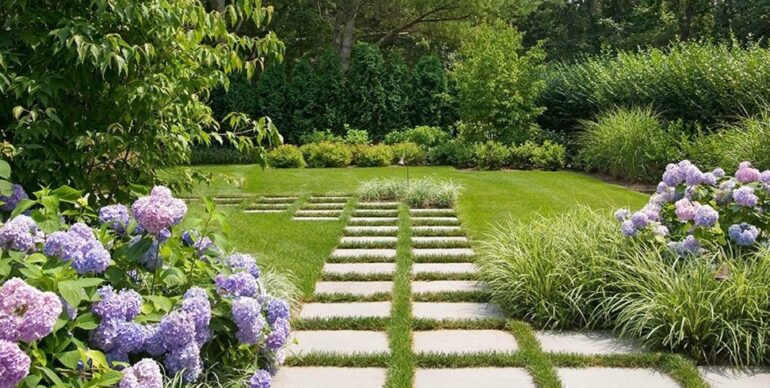
A landscaping project can completely transform how your home looks and feels. Whether you’re refreshing a small yard or planning a full outdoor redesign, thoughtful preparation makes the difference between a space that simply looks nice and one that truly works for your lifestyle.
Before breaking ground, it’s important to step back and consider the practical, aesthetic, and long-term factors that shape a successful landscaping project. This guide walks through the key things to think about so you can make informed decisions, avoid costly mistakes, and feel confident moving forward.
Define Your Goals and Priorities
Every successful landscaping project starts with clarity. Ask yourself what you want your outdoor space to do—not just how you want it to look.
Common landscaping goals include:
- Improving curb appeal
- Creating space for entertaining
- Increasing privacy
- Reducing maintenance
- Making the yard more functional for kids or pets
Prioritize these goals early. A family-focused yard may emphasize open lawn and durability, while an entertainment-focused space might highlight patios, lighting, and seating areas.
Understand Your Property’s Conditions
No two properties are the same, and your land’s natural characteristics play a major role in what’s possible.
Important factors to assess:
- Sun exposure throughout the day
- Soil type and drainage
- Slopes or uneven terrain
- Existing trees and structures
For example, areas with heavy shade may limit plant choices, while poor drainage can affect patios or lawn health. Designing with these conditions in mind leads to better long-term results and fewer maintenance issues.
Set a Realistic Budget
Landscaping costs can vary widely depending on materials, labor, and project scope. Having a clear budget upfront helps guide decisions and prevents surprises later.
When budgeting, consider:
- Design and planning costs
- Materials (plants, stone, pavers, mulch)
- Labor and installation
- Ongoing maintenance
It’s also wise to set aside a contingency fund for unexpected challenges like soil issues or drainage adjustments. A realistic budget allows for smarter trade-offs without compromising quality.
Think Long-Term, Not Just Immediate Impact
It’s easy to focus on how a landscape will look once it’s finished, but long-term performance matters just as much.
Ask yourself:
- How will this space look in five or ten years?
- Will plants outgrow their location?
- How much maintenance will be required?
Choosing durable materials and well-suited plants reduces future costs and ensures your landscape continues to look intentional as it matures.
Choose Plants Carefully
Plant selection is one of the most important—and often underestimated—parts of landscaping.
Key considerations include:
- Climate and hardiness zone
- Mature plant size
- Water and sunlight requirements
- Seasonal interest
Native and climate-adapted plants typically perform better and require less maintenance. Avoid selecting plants solely based on appearance without considering whether they’ll thrive in your environment.
Plan for Functionality and Flow
A beautiful landscape should also be easy to use. Consider how people will move through and interact with the space.
Think about:
- Walkways and access points
- Clear transitions between areas
- Placement of patios, lawns, and garden beds
Good flow makes outdoor spaces feel intuitive and comfortable rather than awkward or cluttered.
Factor in Maintenance From the Start
Every landscape requires some level of upkeep. The key is matching maintenance needs to your lifestyle.
Low-maintenance strategies include:
- Using mulch to reduce weeds
- Installing irrigation systems
- Choosing slow-growing or hardy plants
- Incorporating hardscaping where appropriate
If you prefer a hands-off approach, designing for lower maintenance from the beginning saves time and effort later.
Understand Permits and Regulations
Depending on the scope of your project, permits or local regulations may apply—especially for structures, grading, or drainage changes.
Potential considerations include:
- Property lines and easements
- Local zoning requirements
- Utility locations
Ignoring these details can lead to delays or costly revisions, so it’s important to research requirements before work begins.
Decide When to DIY and When to Hire Professionals
Some landscaping tasks are well-suited for DIY, while others benefit from professional expertise.
DIY-friendly projects:
- Planting small garden beds
- Mulching
- Simple lawn improvements
Projects that often require professionals:
- Grading and drainage solutions
- Retaining walls
- Complex hardscaping
- Large-scale design planning
Working with experienced professionals helps ensure proper installation, safety, and long-term durability. Many homeowners consult landscaping professionals like St. Paul Landscaping Professionals for guidance on design, plant selection, and execution tailored to local conditions.
Create a Phased Plan If Needed
Not every landscaping project has to be completed all at once. Phasing allows you to spread costs over time while still working toward a cohesive vision.
- A phased approach might include:
- Starting with hardscaping and layout
- Adding major plantings next
- Finishing with decorative details and lighting
Planning phases upfront ensures each step aligns with the overall design.
Communication Is Key
If you’re working with designers or contractors, clear communication is essential.
Be sure to discuss:
- Your goals and budget
- Timeline expectations
- Maintenance preferences
- Any concerns or must-haves
The more transparent you are, the more likely the final result will match your vision.
Final Thoughts: Preparation Leads to Better Results
Starting a landscaping project is exciting, but success depends on thoughtful planning. By considering goals, site conditions, budget, maintenance, and long-term performance, you set the stage for an outdoor space that truly enhances your home.
Taking the time to plan before you begin helps avoid stress, reduces costly changes, and results in a landscape that’s both beautiful and functional—one you’ll enjoy for years to come.