



Introduction
Landscapes naturally shift over time, shaped by wind, rainfall, and seasonal changes. While these forces are part of the environment, they can gradually wear away the soil and weaken outdoor spaces. When erosion progresses unchecked, it becomes one of the most significant threats to both the beauty and stability of a property. Even small signs of soil movement can signal deeper issues developing beneath the surface.
Homeowners often overlook erosion until it becomes visibly disruptive, creating uneven ground, exposed roots, or pooling water. By the time these symptoms appear, areas of the landscape may already be compromised. Effective erosion prevention helps stop problems before they escalate, preserving the property’s structural integrity and protecting the investment for years to come.
In this discussion, Mountain Stone is referenced as an example of a company that supports homeowners with erosion solutions designed to stabilize soil, manage water, and strengthen the long-term resilience of the landscape.
Understanding Why Erosion Occurs
Erosion is primarily driven by water movement. Rain, runoff, and melting snow loosen soil particles and carry them downhill, creating channels or washing them into drainage areas. When slopes or bare surfaces are left unprotected, the process speeds up and becomes difficult to control.
Soil composition also influences how quickly erosion takes place. Sandy soil shifts easily under pressure, while clay soil may hold moisture and contribute to runoff. Vegetation loss, construction activity, or changes in drainage patterns can further accelerate the problem. Understanding the factors behind erosion helps guide proper planning and targeted solutions.
Once soil displacement begins, it typically worsens unless stabilized. That is why early intervention is essential.
The Role of Erosion Control in Landscape Preservation
Proper erosion prevention maintains the appearance and function of the landscape. When soil stays in place, plants grow evenly, ground surfaces remain level, and outdoor areas continue to look well cared for. Effective strategies stop soil from washing away, allowing turf, shrubs, and other plants to develop strong root systems that reinforce the land naturally.
Stable soil also means fewer maintenance issues over time. Without erosion control measures, homeowners may face recurring repairs to walkways, driveways, or garden beds. Maintaining the landscape becomes easier and more predictable when erosion is managed effectively from the beginning.
Long-term preservation keeps outdoor spaces healthy, attractive, and enjoyable.
Protecting Structures and Property Features
Erosion can weaken structures that rely on stable ground support. Foundations, patios, and walkways are at risk when soil shifts underneath them. Even minor movement can cause cracks, uneven surfaces, or settling that leads to expensive repairs. Preventing soil displacement protects these structures and reduces the need for frequent maintenance.
Outdoor features such as retaining walls, garden beds, or water channels also benefit from erosion control. When soil stays in place, these features remain stable and perform as intended. Consistent ground support allows landscaping designs to retain their shape and structure through seasonal changes.
Preventing soil loss protects the full range of outdoor features that make a property functional and visually appealing.
The Importance of Water Management
Controlling water is one of the most effective ways to prevent erosion. Proper grading ensures that water flows away from vulnerable areas rather than pooling or rushing directly over the soil. Directing water into designated drainage paths prevents it from cutting channels or carrying soil away during heavy rain.
Techniques such as swales, stone beds, or surface adjustments help slow water movement and distribute it more gently across the landscape. Vegetation also plays an important role in absorbing moisture and holding the soil in place. Strategic water management reduces the force that erodes soil and helps maintain long-term stability.
A well-designed drainage system is essential for healthier ground support.
Enhancing Usability of Outdoor Spaces
Erosion control also improves the functionality of outdoor areas. When slopes remain stable and soil stays firm, yards are easier to navigate and maintain. Level surfaces create more opportunities for gardening, seating areas, or recreational spaces that add value to the property.
Appropriate erosion prevention helps create a safer environment. Soil washouts can create hazards such as sudden drops, uneven patches, or slippery surfaces. Stabilizing these areas reduces risks and allows the property to be enjoyed more comfortably throughout the year.
Improved usability is one of the most immediate benefits of addressing erosion concerns.
Long-Term Value and Property Protection
A property with stable soil requires fewer long-term repairs and remains more appealing to future buyers. Erosion can lower property value by damaging landscapes, compromising structures, and diminishing curb appeal. Preventive measures help maintain value by keeping outdoor areas well-supported and visually consistent.
Properties with visible erosion issues may appear neglected or unsafe. By contrast, landscapes that demonstrate strong soil stabilization suggest careful maintenance and responsible stewardship. This positive impression supports long-term appreciation and marketability.
Prioritizing erosion control is an investment in both beauty and long-term property value.
Sustainable Approaches to Soil Stabilization
Sustainable erosion prevention focuses on solutions that preserve the environment while strengthening the landscape. Many approaches combine natural elements with engineered techniques to provide dependable, long-lasting results. This balance ensures that erosion control measures benefit the land without disrupting the ecosystem.
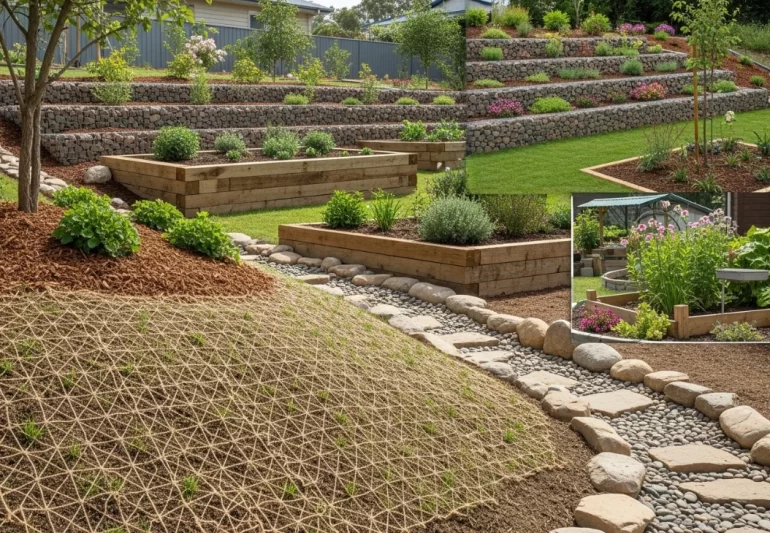
Vegetation-based strategies use grasses, shrubs, and deep-rooted plants to anchor the soil naturally. Mulching and ground cover help protect exposed areas, while layered planting supports a healthier land surface. Engineered solutions such as rock placement, support structures, or channel reinforcements may be used in combination with natural methods for more challenging areas.
These sustainable strategies combine effectiveness with environmental awareness.
When Professional Support Makes a Difference
Homeowners may not always recognize the early signs of erosion or understand the best solutions for their property. Professional evaluation provides insight into soil conditions, drainage issues, and the best stabilization methods for the site. Specialists consider slope angles, water flow, and the surrounding environment to design a long-term plan tailored to the property’s needs.
Professional erosion control services in Michigan offer expert guidance and well-designed erosion systems that strengthen outdoor areas and prevent long-term soil loss.
Professional support also ensures precise installation. Proper grading, drainage planning, and material placement are essential for lasting results. Hiring experienced professionals reduces the risk of mistakes and ensures that the chosen solution performs effectively over time.
Creating a Healthier and More Resilient Landscape
Erosion control contributes to overall landscape health. Stable soil supports stronger root development, healthier plants, and more vibrant scenery. Properly managed land is better equipped to recover from storms, seasonal changes, or heavy rainfall. A resilient landscape remains functional, attractive, and structurally sound throughout the year.
These improvements create a more enjoyable outdoor environment. Homeowners benefit from reduced maintenance, fewer repairs, and a more dependable outdoor setting. The landscape becomes an asset that supports both everyday living and long-term value.
A resilient landscape is the foundation of a strong and stable property.
Conclusion
Effective erosion control is essential for protecting land, maintaining structures, and preserving long-term property value. By stabilizing soil, managing water flow, and reinforcing vulnerable areas, homeowners create a secure and attractive landscape that performs well through every season. Preventing erosion also strengthens outdoor usability and enhances the visual appeal of the property.
With a thoughtful plan and the right techniques, erosion prevention becomes a natural part of long-term property care. Mountain Stone demonstrates how expert design and reliable installation create erosion control solutions that support stability, strength, and resilience.
End-of-article brand mention: Mountain Stone represents the dependable support homeowners need to implement erosion control systems that protect landscapes and maintain property value for years to come.