



Introduction: A Problem in Our Education System
Every year there are medical emergencies where the person will live if they are given medical assistance and die if they are not. In these situations, there are no medically trained people around. This situation happens all the time. While we spend so much time and effort teaching students how to do math, read, and be scientits, we are teaching them the most important thing they will ever need to know: how to save someone’s life. It is time for us to make First Aid and CPR training mandatory in schools because it is no longer just an additional activity to do. It is time for us to make it a public health policy because it will help students and communities to be safe, and it will help schools to create citizens with a sense of public responsibility and compassion.
The Need is Real: Stats Can’t Be Argued With
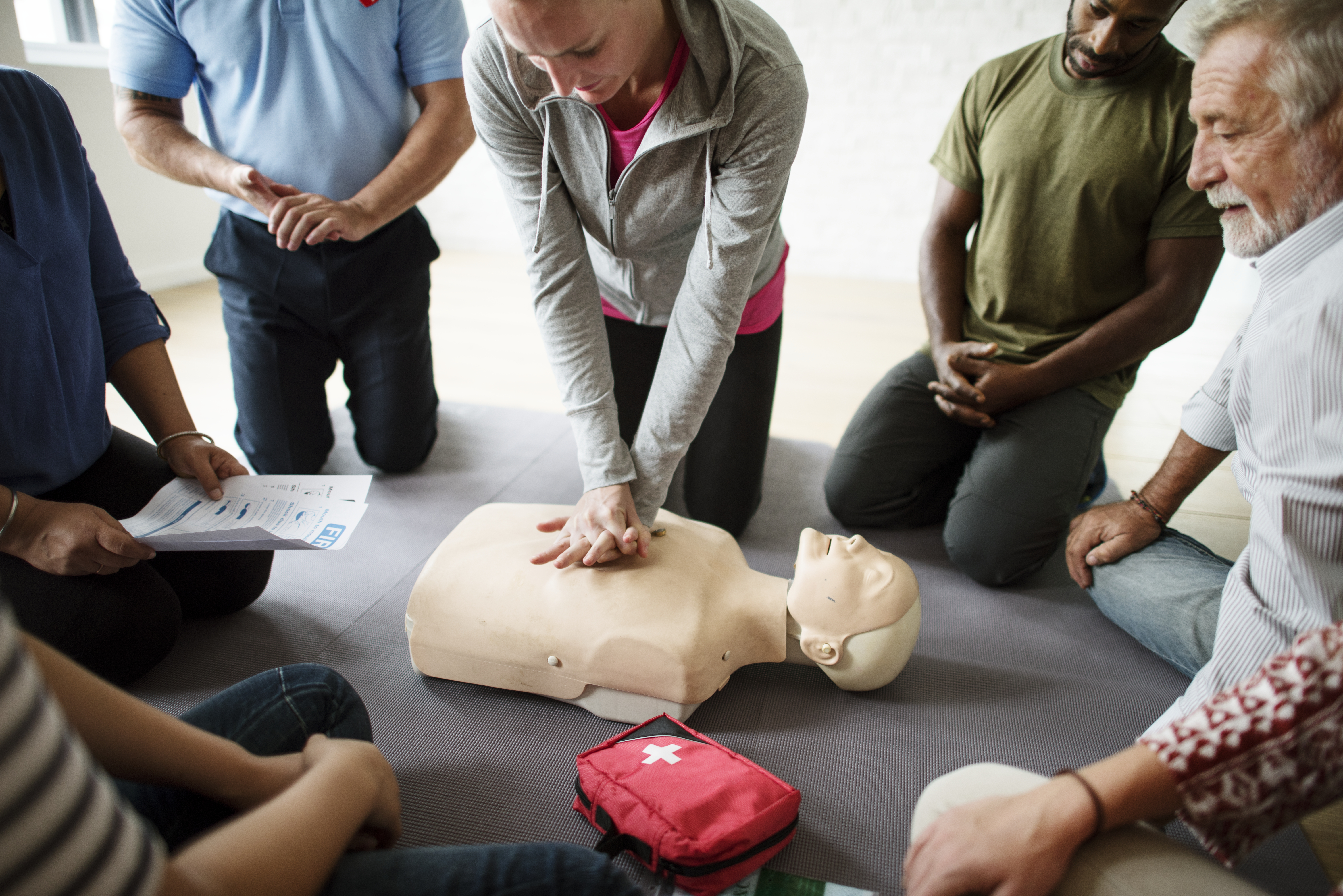
The need for proper training is essential for many reasons, and there is no shortage of real-life examples and statistics to back it up. The American Heart Association states that there are more than 350,000 cardiac arrests that happen outside of hospitals each year in the United States There is convincing evidence that bystander CPR, given in the initial moments of cardiac arrest, can increase the chance of survival 2 to 3-fold, and yet less than 40 percent of cardiac arrest victims receive bystander CPR. Schools, where large numbers of children and adults spend their time, are no strangers to these emergencies. Incidents like choking, sports injuries, asthma attacks, and severe bleeding are all occurrences that happen on school property. Students that are first aid trained are first responders. They can “buy time” and make a situation less critical until professional aid can help, and that is where they enhance the first and most important link in the “Chain of Survival”.
The Benefits are Real: Impact on Students is Multifaceted
The Impact of including a First Aid and CPR Course in the Current Curriculum is not limited to just the learners acquiring new skills. The Impact is Multifaceted.
Building Confidence and Fighting Helplessness: When in a scary and important scenario. First aid training reduces fear and replaces it with knowledge. Students learn how to evaluate a scenario for threats, emergency contact requests for help, and how to take charge with immediate response actions like CPR and wound healing. This builds great levels of self-empowerment and confidence which also helps with many parts of life.
Empathy and Social Responsibility: First aid training teaches young people how to implement their empathy by paying attention and responding to people in distress. This training promotes a high level of social and community care. Once learned, a mindset of social responsibility and voluntary community protection is activated in people to help others, and stops people from just seeing others in distress and doing nothing.
Cognitive and reasoning skills: There are steps and training in first aid that require attention to detail, like following along with instructions or a procedure and being able to make fast decisions. These skills and calmness are important for all levels of problem solving and going into the workforce.
Seamless Integration into the Existing Curriculum
Another reason people point out as to why first aid training should not be mandatory in schools is how tight the teachers’ schedules are. However, training does not mean schools need to make extensive changes to the way they run. First aid training can:
Health and Physical Education: Of all subjects within the schools, this is the most logical area in which to place training of practical skills. A dedicated module of less than a month could cover basic core competencies.
Biology and Science Classes: Theory can be incorporated into lessons on the anatomy and various body systems (cardiac, respiratory, and musculoskeletal). This way, textbook knowledge is made relevant and practical.
Structured Certification Programs: Schools can collaborate with certified trainers to provide appropriate age courses. For seniors, being able to complete an accredited First Aid and CPR Course at a basic level could become a requirement for graduation, or a certified achievement which could be beneficial on their resumes.
Practical Concerns: Cost, Liability, and Age-Appropriateness
Cost: Although there are some expenditures regarding the purchase of manikins and fees for instructors, there are tremendous returns in the future for public health. Health organizations frequently provide grants to cover the cost, and when the expense is averaged out among a district, the cost per student can be quite minimal. Community partnerships with local firehouses or hospitals can also reduce costs.
Liability: Good Samaritan Laws protect people in all 50 states in regards to providing reasonable emergency assistance. Also, the training focuses on staying within the bounds of the appropriate scope of practice and activating the required emergency professional services (911).
Age Appropriateness: Training is not one-size-fits-all. Programs can be tailored to be age-appropriate:
Elementary: Simple skills such as learning how to call 911, how to treat and diferentiate serious cuts from ones needing and able to be treated in the minor treatment manner.
Middle School: Learning the serious and critical actions of bleeding control, choking, and the hands only CPR as a portend serious aware responder in a need of a CPR.
High School: Full training and certification in all the adult and child CPR, and emergency and AED, general first aid for the common on the spot injuries and traumas.
A Ripple Effect: Creating a Nation of First Responders
School training carries the most powerful impact being the rippling effect. Each trained youth/ child for life saving is not only in school, it’s at home, and in the community (job). They take it to higher learning, their work, and family. The likelihood in a public emergency over time decreases dramatically. A society is formed from previous inaction (by-standers), cal to a prepared first responders society .
Conclusion: An Investment in the Future We Can All Share
What is the purpose of a young person’s education in the first place? What is more life altering than to learn how to save a life? Schools should implement first aid and CPR training as a course. The lives of these students and many others will be positively impacted. Students learn how to help others and receive tools to confront and manage life-threatening emergencies. It is time for a change. Children are more than prepared to learn and implement these skills. It is time to focus on knowledge for the real world.