



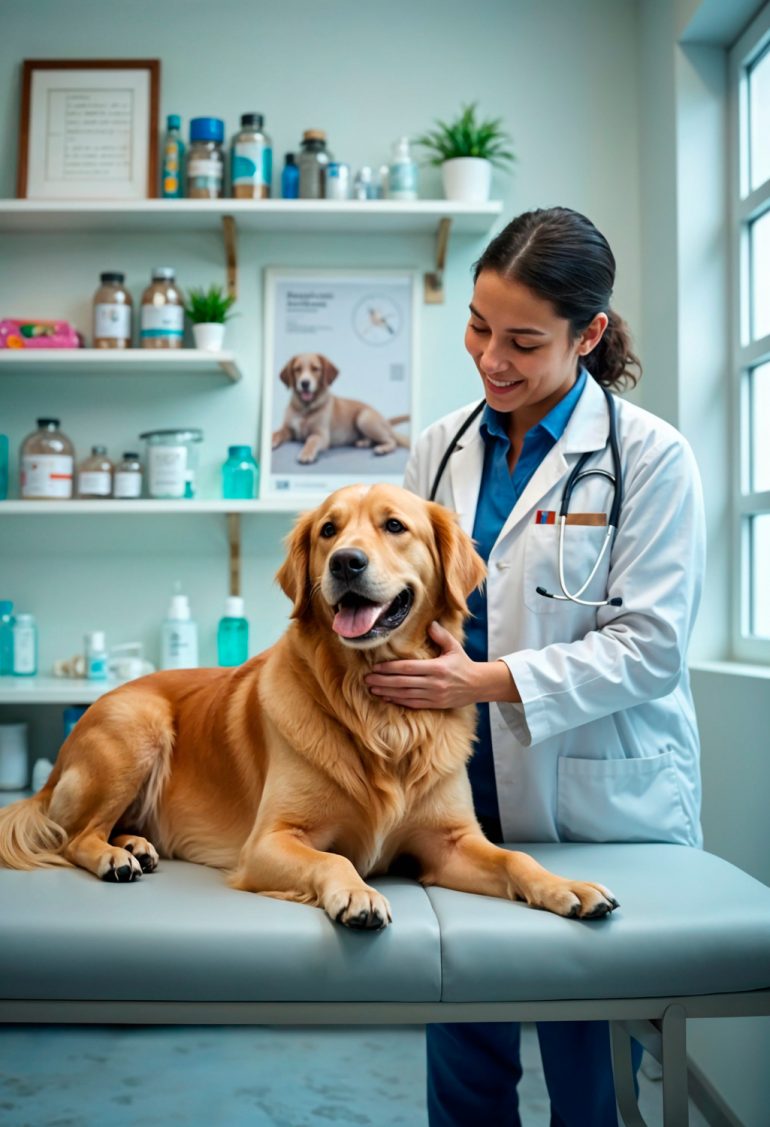
If you are a pet lover, you may have a dog, cat, rabbit, or some other domestic animal at home. These small animals are cute and make great companions. But they also need proper care and support. For that reason, taking them to a proper small animal hospital is important. The facility will have surgical tools and equipment and offer various treatments to address specific conditions in small pets. You can expect them to provide comprehensive care. Hence, don’t worry when your pet falls sick or shows any such symptoms. Take it to a nearby hospital for specialized procedures, emergencies, and routine checkups.
Hershey Veterinarian Hospital can be an option for small pets. However, you can make your and your pet’s hospital visit a smooth experience with some planning. Although hospitals that provide healthcare services for small animals allow walk-in patients, you can take a prior appointment whenever possible. It will help speed up the process by reducing waiting time. The staff can also make necessary arrangements based on your pet’s needs. Carry any recent medical records, such as lab results, medication lists, and vaccination history. An expert vet will want to review these details. Some animals get nervous when visiting a vet. To keep them calm, bring along a favorite toy and a treat. If it’s a cat or a rabbit, you should carry them in a cozy carrier. They will feel safe in it.
Things to expect during your first visit to a small pet hospital
Hospital staff will ask a few specific questions related to your pet’s behavioral changes, appetite, and illness symptoms (lethargy, vomiting, and diarrhea). Then, they may conduct some tests. They can check your dog or cat’s weight, temperature, heart rate, and check the lungs, ears, eyes, and mouth. If they suspect any deeper issue, they may recommend blood work, ultrasound, X-rays, urine and fecal exams, and allergy testing. After reviewing all the results and your pet’s symptoms, the treatment plan will be discussed.
Common vs. emergency hospital services
Pet parents often visit a specialized animal hospital for vaccinations, spaying and neutering, dental care, and surgical procedures. Puppies and cats should be vaccinated on time to protect them from rabies, distemper, and other serious diseases. Spaying and neutering are also common services, as they can reduce the risk of certain cancers in some animals. These procedures are usually done when the animals are still young. Dental care is also crucial for your pet. Vets will examine your pet for difficulty eating, foul breath, and excess drooling. Early oral care can help prevent kidney issues and infections. Sometimes, pets also need to undergo complex surgeries for bone health and other conditions.
However, emergency care is approached differently. Since emergencies happen unexpectedly, hospitals keep sufficient provisions in place to care for your pet. For instance, you know the risks if your pet accidentally ingests a toxic substance. It can be a household cleaner, medication, or chocolate. Since smaller pets are often more active, they are prone to getting hit by a car and sustaining severe injuries. You may also need emergency support for your pet if it vomits or has difficulty breathing.
Like humans, pets require timely healthcare checkups and support. Since reputable hospitals are often well-equipped, you do not have to find another facility for a particular health concern. They usually offer comprehensive services.