



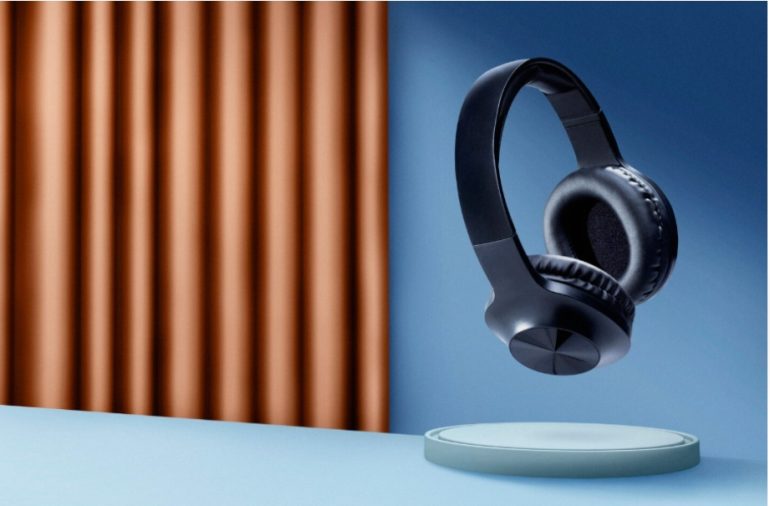
Wireless headphones with a built-in microphone have become essential for modern work, gaming, and communication needs. Whether you are attending online meetings, participating in multiplayer gaming, or taking calls on the go, a reliable headset can dramatically improve sound quality and convenience. Among the leading options, the Razer wireless headphone with microphone is known for delivering clear audio, dependable connectivity, and comfort for extended use. Unlike wired models, wireless headphones offer freedom of movement without being tethered to a device, making them ideal for multitasking and active lifestyles.
However, not all wireless headphones are created equal. Choosing the right model involves understanding key factors such as audio quality, microphone performance, battery life, connectivity, comfort, and additional features. By focusing on these aspects, buyers can find a headset that delivers clear sound, effective voice capture, and long-lasting usability.
Audio Quality
High-quality sound is crucial for both listening and communication. Wireless headphones use drivers that affect sound clarity, bass response, and overall fidelity. For music or entertainment, consider models with a balanced frequency range and good bass performance. For work calls or gaming, clarity in the mid-range frequencies ensures that voices and in-game sounds are easily understood.
Noise-cancelling features, either active (ANC) or passive, can significantly improve the listening experience. ANC blocks external sounds electronically, making it easier to focus in noisy environments, while passive noise isolation relies on the physical design of ear cups or earbuds.
Microphone Performance
The built-in microphone is a key factor in communication quality. A clear, noise-reducing microphone ensures that your voice comes through crisply, even in environments with background noise. Some headsets offer detachable or adjustable boom microphones, which provide better positioning and capture compared to in-ear microphones.
For professional calls or streaming, look for headphones with omnidirectional or unidirectional microphones designed to reduce ambient sound while enhancing vocal clarity.
Battery Life and Charging
Wireless headphones rely on battery power, so long-lasting performance is important. Battery life varies widely among models, from a few hours to over 30 hours per charge. Some headphones support quick charging, providing several hours of use from just a few minutes of charging. Consider your usage patterns—if you spend long hours in meetings or gaming, a model with extended battery life is preferable.
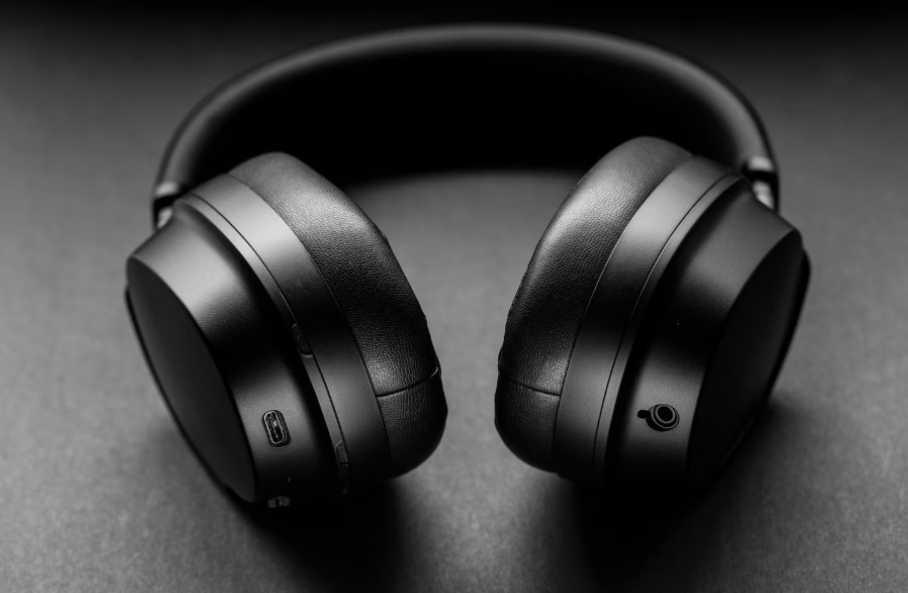
Charging convenience is another factor. USB-C ports are increasingly common and provide faster charging compared to older micro-USB designs. Some models even support wireless charging for extra ease.
Connectivity Options
Wireless headphones connect via Bluetooth or proprietary wireless protocols. Bluetooth is widely compatible with computers, smartphones, and tablets, but latency can affect gaming performance if the connection is not stable. Some headphones offer low-latency modes or USB dongles to improve synchronisation, which is especially important for gaming or video conferencing.
Pairing multiple devices is a useful feature for people who switch between work computers and personal devices. Ensure the headset can easily manage multiple connections without frequent re-pairing.
Comfort and Fit
Comfort is vital for extended use. Over-ear headphones typically provide better noise isolation and comfort for long sessions, while on-ear or in-ear designs may be lighter and more portable. Adjustable headbands, cushioned ear pads, and lightweight materials improve comfort, reducing fatigue during long listening or communication periods.
For earbuds, multiple sizes of ear tips can ensure a secure and comfortable fit, which also improves sound quality and noise isolation.
Additional Features
Modern wireless headphones often include extra features such as touch controls, voice assistant integration, customisable EQ settings, and app support. Some models also offer folding designs or carrying cases for portability. Water resistance or sweat-proof designs are beneficial for active users or exercise environments.
These features can enhance usability and convenience, but buyers should prioritise the core requirements of audio quality, microphone clarity, battery life, and comfort before considering extras.
Conclusion
Selecting the right wireless headphones with a microphone involves balancing sound quality, microphone performance, comfort, battery life, and connectivity. Whether for professional calls, gaming, or general use, a suitable headset can significantly improve communication and listening experiences.
Investing time to evaluate the type of microphone, noise cancellation features, and ergonomic design ensures that the headset meets both daily needs and long-term usage. With the right combination of features, wireless headphones provide freedom, convenience, and superior audio performance.
FAQs
Do wireless headphones with microphones work with all devices?
Most use Bluetooth, which is compatible with smartphones, tablets, and computers, but check device compatibility for low-latency or proprietary connections.
How long does the battery typically last?
Battery life varies widely, from 6–30 hours or more, depending on the model and usage.
Are over-ear headphones better than earbuds for calls?
Over-ear headphones usually offer better noise isolation, microphone placement, and comfort for long sessions.
Can I use these headphones for gaming?
Yes, but for competitive gaming, look for models with low-latency modes or USB dongles to prevent audio lag.