



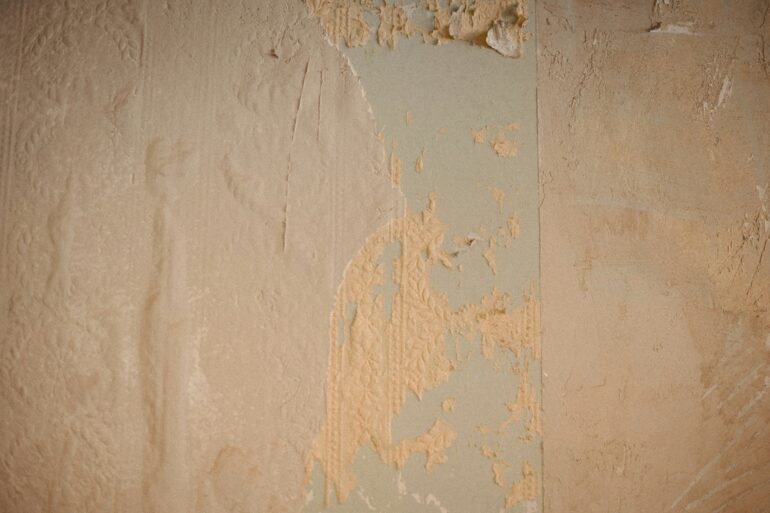
You know the feeling: You are relaxing on the couch, and suddenly your eyes go up and you see it: a crack. Two worries hit you: “Is this a problem?” and “Is this an expensive problem?”
In the Chicago area, those little drywall imperfections are sometimes cosmetic. The freezing winters, hot summers, and expansive clay soil beneath the city put constant pressure on your home’s structure.
But what looks like a simple drywall issue often masks something more serious: a hidden leak, a growing foundation issue, or a poor installation problem.
That’s why we wrote this guide with the help of drywall repair Chicago experts. You don’t need to be a contractor to know when to worry. We will show you the exact signs that determine if your wall needs a simple repair or immediate attention from a specialist.
Your walls are talking, and you should listen to what they say.
1. Structural Stress
This is a common drywall issue. Some cracks are harmless, just unattractive. However, some cracks are big red flags indicating foundation problems.
The most common sign of a serious problem is a crack due to the movement of your home’s structure. The clay soil, typical of Chicago, expands and contracts with every season, putting pressure on your foundation.
A crack in your drywall is a bad signal if it has these characteristics:
- Cracks are wide and are constantly expanding.
- Cracks beginning at the corners of windows or doors, usually extending diagonally.
- Doors or windows become difficult to open or close.
- Appearance of gaps around doors and window frames.
- Your floor is uneven or tilted.
A hairline crack that appears and never grows is normal. But if it is actively growing, that is your wall screaming for help. That’s why it’s important to monitor cracks when they appear, as a simple patch won’t fix the problem, and it can suddenly become an expensive repair.
2. Moisture Damage
Moisture damage is another current problem. When water hits the drywall, it indicates the presence of an underlying problem, such as a pipe leak, an obstructed gutter, or poor ventilation.
You will not always see a stain. Sometimes, you may notice paint bubbling or sections of the wall or ceiling that look warped. If you place your hand on it and it feels spongy or soft, the core of the drywall is full of water.
Besides, a persistent musty or damp odor is another signal. This smell, especially near bathrooms or basements, means that moisture is trapped and releasing microbial gases. You cannot solve this problem just by painting over it.
Trying to patch a soft spot without addressing the water source is a huge mistake. Water-damaged drywall poses severe health risks, including respiratory issues and allergic reactions from mold exposure.
For people with asthma or allergies, it’s even worse, because a damp drywall also releases chemicals that can aggravate health problems.
3. Bad Installation
A failure in the original construction can also cause damage to the drywall. To detect a bad drywall installation, check for the following signals:
- Nail or Screw Pops: When nails or screws pop off, it means that the installer did not secure them appropriately or that the screws are too close to the edges of the drywall panels.
- Visible or Lifting Seams: Seeing the tape, bubbles, or straight lines where two sheets meet is an indicator of inexperience or rushing.
- Bubbles or Blisters: This is a clear sign that the installer applied joint compound too thinly or the compound dried too quickly.
If your wall shows any of these flaws, it is the result of using cheap materials, inexperienced workers, or a lack of planning. More than a cosmetic problem, these are signs that prove your home’s structure is weak.
Your Walls Have Spoken
The biggest mistake homeowners make regarding drywall damage is focusing only on the patch, which will not address the root cause: foundation shifting, water damage, or a permanent weak point due to poor installation.
DIY repair might be a solution for cosmetic issues, but when it comes to your home’s integrity, this is where experts can save your day and your house. Skilled professionals properly diagnose the problem and ensure an adequate repair.
Do not waste your time and money on quick fixes, and secure your home’s integrity today.