



Blue-collar workers are the backbone of the workforce. While white-collar workers get all the shine, it’s often the latter who get things done that’d otherwise be left undone.
You need someone to build your home, fix your plumbing, repair your car, and service your HVAC, for instance. And blue-collar employees build, fix, move, protect, and fuel our world.
Unfortunately, these workers are rarely depicted accurately on the big screen. Most of the time, movies portray the working-class people on the sidelines rather than up front and center. But the reality is that there are some excellent movies that accurately depict the intelligence, resilience, pride, and skills of the blue-collar workforce.
Here are five movies where art imitates life accurately and portrays the blue-collar workforce in the positive light that these men and women deserve.
- October Sky (1999)
October Sky is a movie based on the real-life story of Homer Hickam, the son of a coal miner living in a coal-mining community in West Virginia. While the film focuses on the main character’s aspirations and dreams, it also pays homage to coal miners and the pride that these workers take in their work.
Coal miners are portrayed as skilled and responsible workers who are aware of the risks involved in their line of work. In the movie, the main character’s father, the mine superintendent, is a responsible and sacrificial leader.
- Gran Torino (2008)
Although the film is best known for the main character’s transformation, it’s also notable for its positive portrayal of the blue-collar way of life. The protagonist of the film, played by Clint Eastwood, is an auto worker who retired from the assembly line. And the film is heavily influenced by the values of craftsmanship and accountability.
The film portrays the contrast that exists between the work ethic of the protagonist and the world that he lives in, which no longer reflects the values that were so important in the past. The protagonist is proud of building things right, fixing things that are wrong, and being accountable.
In spite of the dark nature of the film, the protagonist is portrayed as someone whose life has been shaped by honest work.
- Blue Collar (1978)
Although the film is often misunderstood because of its dark nature, it’s actually one of the most honest and positive portrayals of the industrial worker ever communicated through film. The movie, starring Richard Pryor, Harvey Keitel, and Yaphet Kotto as auto factory workers, shows the lives and struggles of the working class in a way that’s relatable.
The workers in this film are highly intelligent and capable individuals, and their frustration and disillusionment stem from the fact that they know the system is against them and that they’re working hard to make money for someone else while they are struggling to get ahead.
One thing tradesmen and women don’t have to struggle with is the price to get into the trades. While it can cost an arm and a leg to get a college degree, learning a trade is more cost-effective. That’s especially true considering it’s possible to earn a trade certification in a day.
- The Straight Story (1999)
This is a small but powerful film that tells a true story about a man named Alvin Straight who travels hundreds of miles on a lawnmower to make amends with his estranged brother. Alvin is a retired blue-collar worker whose life is a testament to physical labor and determination.
What makes this film different from other films about blue-collar workers is its respect for simplicity and craftsmanship. Alvin’s skills as a mechanic are seen as a positive attribute. The film is a tribute to a life of work well done.
- Hell or High Water (2016)
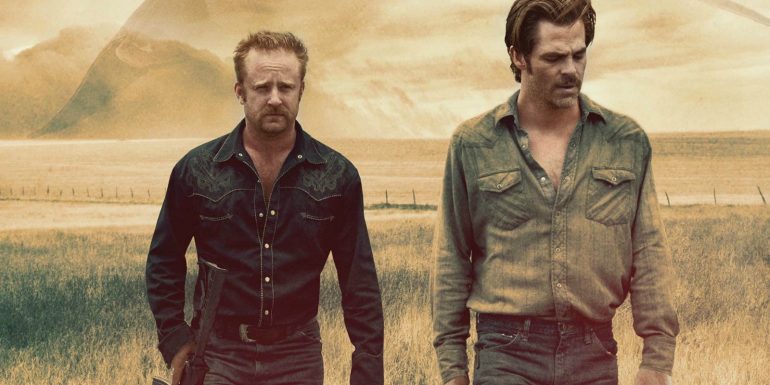
Hell or High Water is set in rural Texas, and the movie focuses on the lives of the working-class people as they try to survive in a world that is constantly changing. It’s a crime-based film, but the focus is on the lives of the working-class people, the ranchers, the oil riggers, the working-class laborers, as they try to hold on to their lands and their dignity.
The movie focuses on the things that affect the lives of blue-collar workers. It shows that working-class people aren’t the problem, but they’re the ones who suffer the most.
Blue-collar workers are the unsung heroes of our society, and they deserve to be accurately represented on the big screen. They have a tough job and take pride in their work. The movies discussed above are successful because they don’t glamorize or trivialize the life of the blue-collar worker. They’re accurately represented.
The movies celebrate the workmanship and dedication of the blue-collar workers. They also show that these workers are not just background players. They’re the main players in the real world. And when accurately represented, they’re among the most compelling characters on the big screen.