



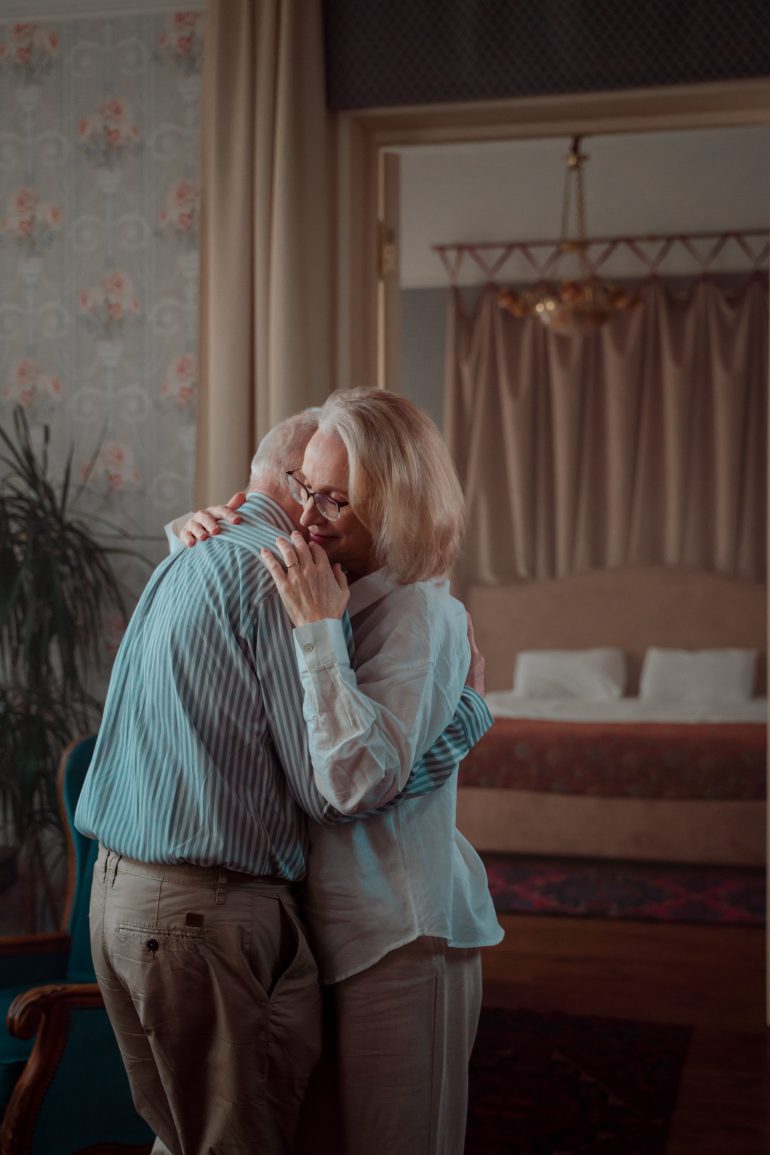
Creating a personalized care plan is one of the most meaningful ways to support an older adult’s comfort, identity, and daily well being. A thoughtful plan recognizes that each person’s history, preferences, routines, and needs are unique. It adapts as life changes and ensures that support feels natural rather than imposed. Communities such as Marbella Tracy demonstrate how person-first planning can help residents feel understood, respected, and reassured. Developing an effective care plan begins with understanding the elements that shape a person’s everyday experience.
Understanding Personal History and Daily Rhythms
Personal history
A personalized care plan must begin with a clear understanding of an individual’s personal history. Life experiences, long-held habits, cultural background, and daily preferences all influence how a person feels most comfortable. Knowing how someone prefers to start their morning, what brings them calm, and which activities feel meaningful helps shape a plan that reflects their identity.
For residents living with Parkinson’s or other conditions, understanding personal rhythms becomes even more important. Gentle adjustments to routines can support comfort without implying constant supervision. When care teams take time to learn these details, the resulting plan feels respectful and deeply individualized.
Creating Environments That Support Comfort and Ease
Supportive environments
A supportive environment is essential for any personalized care plan. Physical surroundings influence mobility, emotional reassurance, and daily confidence. Wide hallways, clear pathways, supportive handrails, and well lit areas help residents move comfortably throughout a community. Thoughtful design choices reduce stress and support safe navigation.
Equally important are the emotional qualities of a space. Warm lighting, familiar décor, and inviting lounges help create a sense of calm. Outdoor areas designed for quiet reflection or gentle social interaction offer additional comfort. When environments align with a resident’s needs, daily life becomes more manageable and reassuring.
Predictable Routines That Promote Stability
Predictable routines
Predictable routines help older adults feel grounded, especially during periods of transition or cognitive change. A personalized care plan should include structured daily rhythms that reduce uncertainty and support emotional balance. Mealtimes, wellness activities, social opportunities, and quiet reflection periods can be arranged in ways that feel familiar and comforting.
For individuals experiencing cognitive changes, predictable routines help reduce confusion and promote stability. When days unfold with gentle consistency, residents experience a greater sense of reassurance and daily comfort.
Social Connection That Supports Emotional Well Being
Social connection
Social engagement plays a vital role in emotional wellness. A personalized care plan should consider how a resident prefers to connect with others. Some individuals enjoy group activities, creative workshops, or shared meals, while others may prefer smaller gatherings or quiet conversation.
Care teams who gently encourage participation help residents engage in ways that feel natural and supportive. For residents living with Parkinson’s or other conditions, structured social opportunities provide familiarity and ease. When social connection is thoughtfully integrated into a care plan, emotional comfort becomes a consistent part of daily life.
Wellness Experiences That Support Holistic Comfort
Wellness experiences
Holistic wellness contributes significantly to comfort in later life. A personalized care plan should include wellness experiences that support physical ease, emotional balance, and cognitive engagement. Gentle movement sessions, relaxation activities, mindfulness practices, and educational discussions can be adapted to ensure comfort and accessibility.
For individuals experiencing physical or cognitive changes, wellness offerings may need to be tailored to support stability and reduce strain. When wellness is woven naturally into daily routines, residents experience greater reassurance and long term satisfaction.
Collaboration Between Families and Care Teams
Family collaboration
A personalized care plan is most effective when families and care teams collaborate openly. Clear communication helps ensure that decisions reflect the resident’s preferences, comfort levels, and long term needs. Families benefit from providers who offer consistent updates, listen attentively, and respond thoughtfully to concerns.
Care teams who prioritize person-first communication create an environment where families feel informed and reassured. This collaboration strengthens trust and supports smoother transitions when adjustments are needed.
Conclusion
Developing personalized care plans requires thoughtful attention to personal history, supportive environments, predictable routines, meaningful social connection, holistic wellness experiences, and strong collaboration between families and care teams. These elements work together to create surroundings where residents feel respected, confident, and reassured. When senior communities prioritize comfort, dignity, and emotional well being, they help older adults enjoy a more fulfilling and grounded everyday lifestyle.