



Introduction
Air rifles have evolved significantly over the years, and modern pre-charged pneumatic (PCP) systems are now among the most advanced options available for shooting enthusiasts. Unlike traditional spring-powered models, PCP rifles use compressed air stored in a built-in reservoir, allowing for smoother shooting, higher accuracy, and consistent power. These rifles are widely used for target practice, recreational shooting, and small-game hunting because of their precision and reliability.
Modern manufacturers continue to improve air rifle technology by introducing lightweight materials, ergonomic designs, and enhanced shot capacity, making PCP rifles suitable for both beginners and experienced shooters. Information about PCP technology, shot consistency, and modern airgun systems is widely discussed by industry sources and enthusiasts.
Why a Modern pcp air rifle Is Gaining Popularity
The growing popularity of pcp air rifle comes from its ability to deliver consistent accuracy with minimal recoil. Unlike spring-piston airguns, PCP systems release controlled bursts of compressed air, creating smoother shots and reducing vibration during firing. This makes it easier for shooters to maintain accuracy over longer distances.
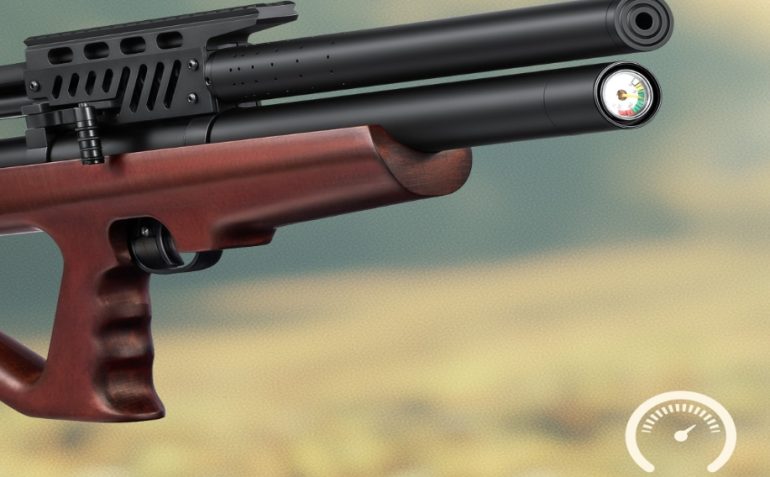
Modern PCP rifles also feature improved ergonomics and customizable accessories. Many models now include Picatinny rails for optics, adjustable stocks, and lightweight aluminum air cylinders. These features allow shooters to tailor their rifles for comfort and performance. According to airgun reviews and community discussions, PCP rifles are increasingly becoming the preferred option for recreational shooters because they combine precision with ease of use.
Another factor contributing to their popularity is versatility. PCP rifles are available in multiple calibers, including .177, .22, and .25, making them suitable for various shooting activities. Whether used for target shooting or field practice, they provide a reliable and enjoyable shooting experience.
Understanding How PCP Technology Works
A PCP rifle operates by storing high-pressure compressed air inside an onboard reservoir. Before shooting, the reservoir is filled using a hand pump, compressor, or scuba tank. Each time the trigger is pulled, a measured amount of compressed air is released behind the pellet, propelling it toward the target.
One of the key benefits of PCP systems is shot consistency. Because the rifle uses compressed air rather than mechanical springs, there is less recoil and vibration. This contributes to greater accuracy and smoother operation. Regulated PCP rifles go a step further by maintaining consistent pressure between shots, ensuring stable pellet velocity throughout the shooting session.
Modern PCP rifles can also provide a high number of shots per fill. Some advanced models are capable of delivering over 100 shots from a single air charge, depending on the tank size and caliber. This efficiency makes them ideal for extended target practice without constant refilling.
Key Features That Improve Shooting Performance
Modern PCP rifles include several features designed to improve both comfort and accuracy. One of the most important is the adjustable trigger system. Adjustable triggers allow shooters to customize pull weight and responsiveness, resulting in better shot control.
Another essential feature is the shrouded or moderated barrel. Many PCP rifles use sound suppression technology to reduce firing noise, making them quieter than traditional rifles. This is particularly beneficial for backyard target shooting or areas where noise reduction is important.
Optics compatibility is another major advantage. PCP rifles often include integrated rails for mounting scopes or red-dot sights, improving target acquisition and precision. Additionally, ergonomic stocks and cheek rests enhance shooter comfort during longer sessions.
Lightweight construction has also become a focus in modern designs. Manufacturers frequently use synthetic materials and aluminum components to reduce overall weight without sacrificing durability. These improvements make PCP rifles easier to carry and handle in different shooting environments.
Choosing the Right Caliber for Your Needs
Selecting the right caliber is an important step when purchasing a PCP rifle. Each caliber offers unique advantages depending on the intended use.
The .177 caliber is widely preferred for target shooting because of its high velocity and flat trajectory. It is commonly used in competitive shooting and precision practice. The .22 caliber, on the other hand, is popular for its balance between power and accuracy. Many shooters consider it the ideal choice for recreational shooting and small-game hunting. Larger calibers such as .25 deliver increased impact energy, making them suitable for more demanding shooting applications.
Beginners often start with a .22 PCP rifle because it offers manageable recoil, good accuracy, and wide pellet availability. More experienced users may explore larger calibers depending on their shooting goals and preferences.
Maintenance Tips for Long-Term Reliability
Proper maintenance is essential for keeping a PCP rifle in excellent condition. One of the most important maintenance steps is monitoring air pressure levels. Overfilling or underfilling the reservoir can affect performance and potentially damage internal components.
Regular cleaning of the barrel helps maintain accuracy by removing dirt and residue buildup. Shooters should also inspect seals and O-rings periodically, as these parts can wear over time. Community discussions frequently highlight O-ring maintenance as an important aspect of PCP ownership.
Moisture control is another critical factor. High-pressure air systems can accumulate moisture during filling, so many shooters use air filters or moisture traps with compressors. Storing the rifle in a cool, dry location also helps preserve internal components and prevent corrosion.
Routine inspections of the stock, optics mounts, and trigger assembly can further improve the rifle’s lifespan and reliability. With proper care, a quality PCP rifle can deliver consistent performance for many years.
The Future of PCP Air Rifle Technology
The PCP air rifle market continues to evolve with advancements in engineering and design. Manufacturers are introducing more compact bullpup configurations, carbon-fiber air tanks, and regulated air systems to improve efficiency and handling. Modern tactical designs are also becoming increasingly popular among enthusiasts.
Another emerging trend is affordability. In the past, PCP rifles were considered expensive specialty products, but newer budget-friendly models are making the technology accessible to a wider audience. Community discussions suggest that entry-level PCP setups are becoming more practical for beginners without sacrificing overall performance.
Improved optics integration, quieter firing systems, and lightweight materials are expected to shape the next generation of PCP rifles. As technology advances, shooters can expect even greater precision, comfort, and efficiency from future designs.
Conclusion
Modern PCP rifles have transformed the airgun industry by combining accuracy, reliability, and advanced engineering into a highly versatile platform. Their smooth shooting characteristics, customizable features, and consistent power make them suitable for target practice, recreational shooting, and field applications. As more shooters discover the advantages of compressed-air systems, the demand for innovative designs continues to grow. Whether someone is a beginner exploring the sport or an experienced enthusiast seeking higher performance, investing in a quality pcp air rifle can provide an enjoyable and precise shooting experience for years to come.