



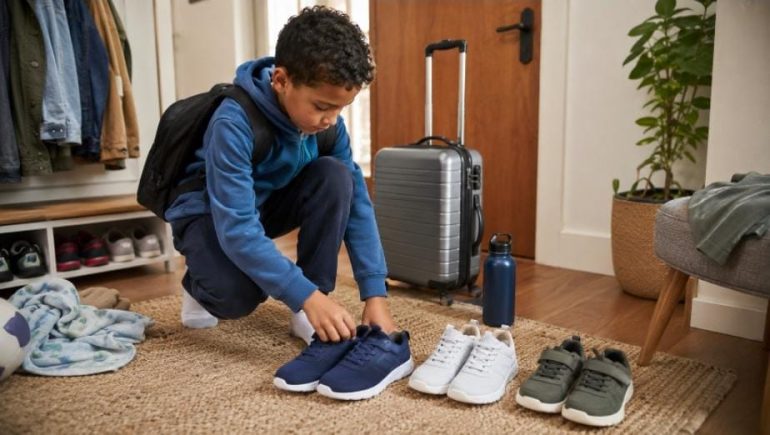
Children’s footwear needs change as they grow. A toddler learning to walk confidently does not use shoes in the same way as a school-age child running across a playground or an older child developing stronger style preferences. Parents often focus on size, but movement, independence, school routines, and personal choice can be just as important.
A suitable pair of Kids Sneakers should match the child’s current stage rather than being chosen only because the design looks attractive. Younger children may need simple fastenings and lightweight construction, while older children may value durability, flexibility, and a style they are happy to wear regularly. Understanding these changing needs can make footwear shopping more practical.
Why Children’s Sneaker Needs Change with Age
Children develop new movement skills over time. Their routines also become more varied as they move from home and nursery into school, clubs, travel, and independent activities.
Younger children may need help putting shoes on and removing them. As they grow, they become more active and begin managing their own belongings. Older children may also care more about color, shape, and how sneakers work with their clothes.
The best choice is not simply the same shoe in a larger size. It should reflect how the child moves, where the shoes will be worn, and what they can manage independently.
Sneakers for Toddlers Building Confidence
Toddlers are still developing balance and coordination. Their footwear should feel light and should not make ordinary walking more difficult.
A flexible front section allows the foot to bend naturally during short steps. The shoe should also provide enough structure around the heel to stay in place without feeling stiff.
Parents should avoid designs that are heavy, bulky, or hard to fasten. A wide opening can make it easier to guide the foot inside without pressing or forcing it.
Simple Fastenings for Younger Children
Hook-and-loop straps, elastic systems, and wide openings can make daily routines easier for toddlers and preschoolers. These features also allow children to begin practising by themselves.
The fastening must still hold the shoe securely. A design that is easy to use but remains loose around the heel will not provide a dependable fit.
Parents can teach children to open the fastening fully before putting the shoe on. This protects the heel area and makes the process more comfortable.
Preschoolers Need Versatility
Preschool days often combine indoor play, outdoor movement, sitting, climbing, and short walks. Footwear should handle these activities without becoming heavy or restrictive.
A breathable upper can help during active play, while an easy-clean surface is useful for sand, mud, paint, and food spills. The sole should provide grip on common indoor and outdoor surfaces.
Preschoolers may also begin expressing clear color preferences. Parents can offer a few suitable choices and let the child select a favorite.
Early School Years Mean Longer Wear
Once children begin school, sneakers may be worn for many hours. A normal day can include walking, classroom time, stairs, playground breaks, and after-school activities.
Comfort throughout the day becomes especially important. Smooth linings, secure fastenings, and enough toe room can reduce irritation during extended wear.
Parents should also check school rules. Some schools allow casual sneakers, while others have requirements about colors, soles, or design.
Durability Matters More for Active Schoolchildren
School-age children often place greater pressure on footwear. Running, climbing, dragging the toes, and daily use can cause fast wear.
Parents should inspect stitching, sole attachment, toe protection, and fastenings before buying. A reinforced front may help children who frequently play outdoors, ride scooters, or kneel during activities.
The outsole should have enough texture to support movement on playgrounds, pavements, and school floors without making the shoe feel heavy.
Fit Checks During Growth Periods
Children may continue wearing a familiar pair after it has become too tight. Parents should therefore check fit regularly instead of waiting for complaints.
Ask whether the toes feel pressed, the heel rubs, or the shoe feels tighter than before. Red marks and reluctance to wear a particular pair may also signal a problem.
Both feet should be measured because one may be slightly larger. The shoes should suit the larger foot while remaining secure overall.
Older Children Want More Involvement
As children grow, footwear becomes part of personal style. They may care about colors, shapes, details, and what their friends are wearing.
Parents can respect these preferences while maintaining practical limits. One approach is to select several options that meet fit, quality, and budget requirements, then allow the child to make the final choice.
When children like their shoes, they are more likely to wear them regularly and take better care of them.
Sneakers for Busy After-School Routines
Older children may move directly from school to clubs, tutoring, family visits, or casual activities. A versatile sneaker can reduce the need to carry extra footwear.
When choosing Kids Sneakers, parents can consider whether the design works with school clothing, casual outfits, and light activity. A balanced pair can handle several settings while staying comfortable.
Specialist sports may still require activity-specific shoes. Everyday sneakers are best for general routines rather than every organized sport.
Choosing the Right Fastening at Each Stage
Traditional laces offer adjustment, but they require coordination and attention. Older children who can tie them securely may prefer this style.
Children who are not yet confident with tying may benefit from elastic laces or straps. Loose or excessively long laces can create inconvenience during walking, running, or cycling.
The fastening should match the child’s ability rather than age alone. Some children master laces early, while others need more time.
Width and Foot Shape Still Matter
Age does not determine whether a child has a narrow, average, or wider foot. Two children wearing the same length may need different shoe shapes.
Parents should examine the toe box, opening, and midfoot area. Toes should move naturally, but the heel should not slide.
A child with a higher instep may need a design that opens widely or offers greater adjustment. Product descriptions and sizing guidance can be useful when shopping online.
Avoid Excessive Growing Room
Buying sneakers several sizes too large may appear economical, but it can create immediate problems. Oversized shoes may slip, bend in the wrong place, and make running less stable.
The child may also over-tighten the fastening to keep the shoe on. This can create pressure in other areas.
A modest amount of growing room is sensible, but the heel and middle of the foot should remain secure from the first wear.
Care Habits Can Grow with the Child
Shoe care can become part of age-appropriate responsibility. Toddlers can learn to place shoes in the correct area, while preschoolers can practise opening straps before removing them.
School-age children can brush off dry dirt, air damp shoes, and report damaged fastenings. Older children can take more responsibility for light cleaning and storage.
These small habits may help footwear remain presentable and also teach children to care for their belongings.
Know When the Current Pair Needs Replacing
Shoes may need replacing even when they still look clean. Signs include toes reaching the front, difficulty putting the shoe on, pressure marks, heel rubbing, or a change in walking.
Parents should also inspect the outsole, lining, fastening, and heel structure. Smooth tread, torn interiors, or a collapsed heel may reduce comfort and usefulness.
A sneaker should not remain in daily use simply because it was expensive or still appears attractive.
Final Thoughts
The right sneakers change with the child. Toddlers need lightness and simple fastenings, preschoolers need versatility, school-age children need durability and all-day comfort, and older children often want more involvement in style decisions.
Parents should continue checking fit, width, condition, and practicality at every stage. A shoe that suited the child last year may no longer match their size, routine, or independence.
By choosing footwear according to current needs rather than relying only on age labels or appearance, families can make more confident decisions. Parents exploring practical and age-appropriate footwear choices can find suitable options through bebenelle.com.