



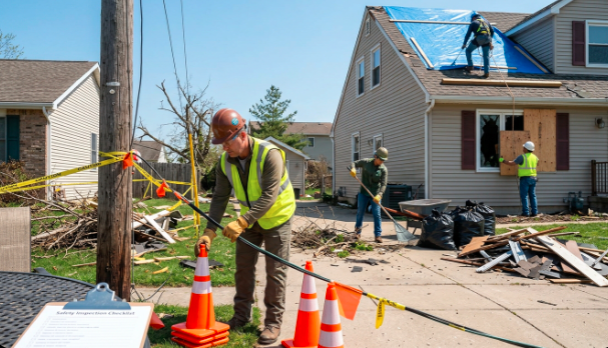
Introduction to Post Storm Recovery and Property Safety
Severe weather can leave behind significant damage that affects homes, buildings, and outdoor environments. Strong winds, heavy rain, flooding, and falling debris often create unsafe conditions that require immediate attention. After a storm passes, the focus should always be on safety first, followed by a structured recovery process to restore the property back to a stable and livable condition. Without proper planning, the aftermath of a storm can become overwhelming and may lead to further damage if not handled correctly. A systematic approach is necessary to ensure that every area is inspected, cleaned, and repaired in the right order so that risks are minimized and recovery is efficient. Storm damage is not always visible on the surface. While broken objects, fallen trees, and water accumulation are easy to see, hidden problems such as roof leaks, electrical hazards, and structural weakening can develop silently. This makes it important to take recovery seriously and follow a step by step method that addresses both visible and hidden issues effectively.
Ensuring Safety Before Starting Cleanup
Before beginning any cleanup activity, personal safety must be the top priority. Storm affected areas can contain many hazards such as broken glass, unstable structures, exposed wires, and slippery surfaces caused by water or mud. Entering a damaged property without proper inspection can lead to serious injuries. It is important to carefully assess the surroundings and ensure that there are no immediate dangers before starting any work. In some cases, professional inspection may be required, especially if there is severe structural damage or electrical risk. Safety checks help identify unstable areas and ensure that cleanup activities can be carried out without unnecessary danger. This stage is essential because it sets the foundation for all further recovery efforts.
Assessing the Extent of Storm Damage
Once the area is safe, the next step is to evaluate the full extent of the damage caused by the storm. This includes checking roofs, walls, windows, doors, drainage systems, and outdoor spaces. Fallen branches, damaged structures, and water intrusion are common problems that need to be documented and prioritized for repair. Damage assessment should be done carefully because not all issues are immediately visible. Water can seep into hidden areas, causing long term damage to walls and flooring. Electrical systems may also be affected even if they appear functional at first. A complete inspection ensures that no problem is overlooked during recovery planning.
Debris Removal and Site Clearance Process
After assessing the damage, the cleanup process begins with removing debris from the property. Storms often leave behind broken branches, roofing materials, damaged furniture, and scattered waste that must be cleared to make the area safe and accessible. Proper handling of debris is important to avoid injuries and further damage. Sorting debris into categories such as reusable materials, damaged items, and hazardous waste helps make the cleanup process more organized. Large debris may require special tools or equipment for safe removal. In many situations, structured storm cleanup processes are used to manage debris efficiently and restore order to the affected area.
Water Removal and Drying Techniques
Water damage is one of the most serious consequences of storms, especially when flooding or heavy rainfall occurs. Standing water must be removed quickly to prevent mold growth, structural weakening, and contamination. Pumps, wet vacuums, and drainage systems are often used to eliminate water from affected areas. After removing water, the drying process begins. Proper ventilation, fans, and dehumidifiers are used to eliminate moisture from floors, walls, and furniture. This step is crucial because leftover moisture can lead to long term damage and health risks. Effective drying ensures that the property remains safe and stable after recovery.
Structural Inspection and Repair Needs
Storms can cause significant damage to the structure of a building. Roofs may develop leaks or missing sections, walls can crack, and foundations may weaken due to water exposure or impact damage. A detailed inspection is necessary to identify all structural issues that need repair. Windows and doors may also be affected, leading to security and insulation problems. Addressing these issues quickly is important to prevent further deterioration. Repair work may include roof patching, wall reinforcement, or replacement of damaged components. A complete recovery process often includes coordinated storm cleanup and repair efforts to restore the building’s integrity.
Electrical and Utility System Safety
Electrical systems are highly vulnerable after a storm due to water exposure and power fluctuations. It is essential to ensure that all electrical connections are safe before restoring power. Damaged wiring, exposed circuits, or malfunctioning appliances must be inspected by qualified professionals. Gas and water systems should also be checked for leaks or damage. Safety checks help prevent accidents and ensure that utilities are functioning properly before normal use resumes. Ignoring this step can lead to serious hazards, making it one of the most critical parts of the recovery process.
Cleaning and Sanitization of Affected Areas
Once debris and water are removed, thorough cleaning is required to restore hygiene and safety. Storm water often carries dirt, bacteria, and other contaminants that can pose health risks. All surfaces must be cleaned and disinfected properly to ensure a safe living environment. Floors, walls, furniture, and outdoor areas should be scrubbed and sanitized. Air circulation is also important to remove odors and improve air quality. Proper cleaning ensures that the property is not only visually restored but also safe for daily use.
Mold Prevention and Moisture Control
One of the biggest risks after storm damage is mold growth. Moist environments allow mold to spread quickly, causing health problems and structural damage. Preventing mold requires complete drying of all affected areas and maintaining proper ventilation. Dehumidifiers and moisture control methods help reduce humidity levels and prevent mold formation. Regular monitoring after cleanup ensures that no hidden moisture remains. Preventive measures are an important part of effective storm cleanup because they protect the property from long term damage.
Emotional and Physical Challenges of Recovery
Recovering from storm damage is not only a physical task but also an emotional challenge. Seeing a damaged property can be stressful and overwhelming. The process of cleaning, repairing, and rebuilding takes time and effort, which can affect mental well being. Physical fatigue is also common due to heavy lifting and continuous cleanup work. Support from professionals or community assistance can help reduce pressure and make the recovery process more manageable and less stressful.
Importance of Professional Assistance in Cleanup
Professional help plays an important role in efficient storm recovery. Experienced teams have the tools and knowledge required to handle large scale damage safely. They can quickly assess the situation, remove debris, manage water extraction, and perform necessary repairs. Hiring experts reduces risks and speeds up the recovery process. Many property owners rely on storm cleanup services to ensure that everything is handled properly and efficiently, especially in severe damage situations.
Preventive Measures for Future Storm Protection
After recovery is complete, it is important to take preventive steps to reduce future damage. Strengthening roofs, securing outdoor objects, improving drainage systems, and maintaining trees around the property can help minimize risks during future storms. Regular inspections and maintenance also play a key role in identifying weak points before severe weather occurs. Preparation helps reduce damage and makes future recovery easier and faster.
Conclusion
Storm recovery is a detailed process that requires careful attention, proper planning, and systematic execution. From safety checks and debris removal to water control, cleaning, and structural repairs, every step is important for restoring normal conditions. Without proper organization, recovery can become difficult and incomplete. By following structured methods and using professional support when needed, property owners can ensure safe and effective restoration. A well planned approach to storm cleanup helps protect property, reduce risks, and restore safety and comfort after severe weather conditions.