



Introduction: Discover the Hidden Value in Your Garden Waste
If you’re like most gardeners, managing piles of tree trimmings, lawn clippings, weeds, and spent plants can feel like an endless chore. Many see this “green waste” as something to get rid of — a nuisance that means another trip to the tip or a full green bin every week.
But here’s the truth: that so-called waste is actually a goldmine. With the right approach, these organic materials can be transformed into powerful, nutrient-rich resources that feed your soil, cut costs, and help your garden thrive sustainably.
This guide shows you how to turn your green waste removal routine into a cycle of renewal — producing rich compost and protective mulch right in your backyard.
- The Two Green Golds: Mulch vs. Compost
Before diving into methods, it’s essential to understand the difference between mulch and compost — the two main products you can create from your garden’s green waste. They may come from the same raw material, but they play very different roles in your garden ecosystem.
| Mulch | Compost |
| Mulch is a layer of partially broken-down material (like wood chips, leaves, or plant stalks) that covers the soil surface. Think of it as your garden’s “protective blanket.” | Compost is fully decomposed organic matter — the dark, crumbly “black gold” that feeds your plants and rebuilds soil health. |
| Purpose: suppress weeds, retain moisture, regulate temperature, and slowly enrich the soil as it breaks down. | Purpose: add nutrients, improve structure, enhance aeration, retain water, and boost beneficial soil life. |
Knowing which to make — and when — allows you to maximize the impact of your garden waste and create a truly self-sustaining system.
- Turning Yard Waste into Mulch: Simple, Smart, and Sustainable
Creating mulch is one of the easiest ways to recycle garden waste. Depending on your available time, tools, and aesthetic preferences, you can go for low-effort or high-efficiency methods.
Direct Application (The Effortless Way)
If you want a “set it and forget it” method, this one’s for you. Simply take unshredded garden waste — like pulled weeds or pruned plant stalks — and layer it over bare soil.
The lower layers decompose naturally, feeding the soil, while the top layer acts as a protective cover. This method works particularly well for vegetable patches and around plants like potatoes or pumpkins.
Lawnmower Shredding (Fast and Fine)
Want a more uniform, cleaner look? Use your lawnmower’s collection bag to shred soft plant materials like leaves, clippings, and weeds. This produces a fine mulch that’s easy to spread and breaks down quickly.
Pro tip: Don’t mow thorny plants like rose or blackberry canes — they can damage blades and leave sharp remnants in your lawn.
Using a Dedicated Mulcher
For avid gardeners or those with larger properties, investing in a leaf or garden mulcher pays off quickly. These machines shred everything from sunflower stalks to hedge trimmings into a fine, rich mulch.
You can even run larger pieces through twice (“re-mulching”) for an ultra-fine, uniform product — ideal for flowerbeds and fruit trees.

- Composting 101: The Art of Creating “Garden Gold”
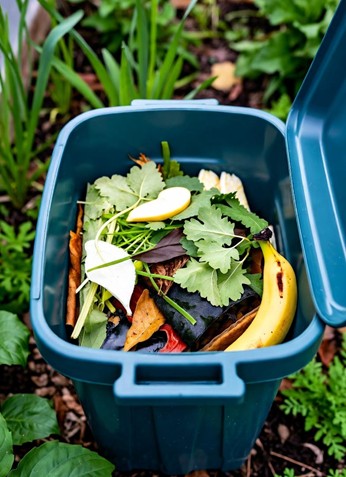
If mulch protects the soil, compost feeds it. Composting is the controlled breakdown of organic matter into a nutrient-rich amendment that improves every aspect of your garden’s ecosystem. Here is an ultimate guide to turning kitchen scraps into gold.
The DIY Trash Can Composter (Efficient, Contained, and Affordable)
This method combines affordability and effectiveness — perfect for small to medium gardens.
Why it works:
- Keeps everything tidy and contained (no unsightly heaps).
- Traps heat to speed up decomposition.
- Prevents pests and weed seed germination.
- Works year-round — even in cooler climates.
How to build it:
- Choose a 32-gallon trash can with a locking lid.
- Drill several holes (2-inch holes on the bottom for drainage; smaller holes on the sides for airflow).
- Partially bury it in the ground for stability.
- Layer greens (nitrogen) like grass clippings and food scraps with browns (carbon) like dried leaves.
- Keep it moist — not soggy — and mix occasionally.
Within weeks, you’ll have dark, crumbly compost ready to nourish your plants — a real example of waste turned to worth.
Shredding for Speed: Making “Fast Compost”
If you have access to a garden shredder, you can drastically accelerate composting. Shredded material breaks down faster due to increased surface area, turning months into weeks.
This technique is especially useful for woody waste from shrubs and trees. It also reduces bulk, freeing up space in your compost bin.
Using Community Compost Programs
If you’re short on time or space, local councils often offer green waste removal programs. These services collect and process yard waste into compost and mulch — often available free or at a reduced cost.
Before using community compost, do a quick quality check: look for contaminants like plastic pieces, and confirm it’s made from clean green waste (not sewage sludge).
- Essential Best Practices: Safety, Quality, and Garden Health
To make the most of your efforts — and keep your garden safe — keep these principles in mind.
Safety First
Whenever using shredders, mowers, or mulchers:
- Wear sturdy gloves and eye protection.
- Use ear defenders and solid footwear.
- Always unplug machinery before clearing jams — and never use your hands near blades.
Weed, Pest, and Disease Management
- Weeds: A thick mulch layer (2–3 inches) naturally blocks sunlight, preventing germination.
- Pests: Keep compost sealed with a locking lid to deter rodents.
- Pathogens: Rotate crops yearly — don’t grow the same plant family (like tomatoes and peppers) in one spot more than once every four years.
Following these basics ensures your compost and mulch remain healthy and safe for use year after year.
- Choosing the Right Green Waste Strategy for Your Garden
Every gardener’s situation is unique, so the best approach depends on your space, time, and goals.
- Small Gardens: A municipal green waste removal program may be enough.
- Medium Gardens: A DIY trash can composter provides great results with minimal space.
- Large Gardens: Investing in a shredder or mulcher allows for complete on-site processing.
Consider your physical capacity, available time, and budget — and remember: every method, from the simplest to the most advanced, helps close the loop between waste and productivity.
Conclusion: Close the Loop, Enrich the Earth
Your garden waste isn’t a problem — it’s potential. By turning clippings, leaves, and prunings into mulch or compost, you’re not only reducing landfill waste but also building healthier soil, cutting costs, and contributing to a more sustainable planet.
Whether you choose the simplicity of direct mulching or the efficiency of a rapid composter, the reward is the same: a thriving, resilient garden fueled by your own green resources.
With every handful of compost and every layer of mulch, you’re proving that waste doesn’t exist in nature — only renewal.