



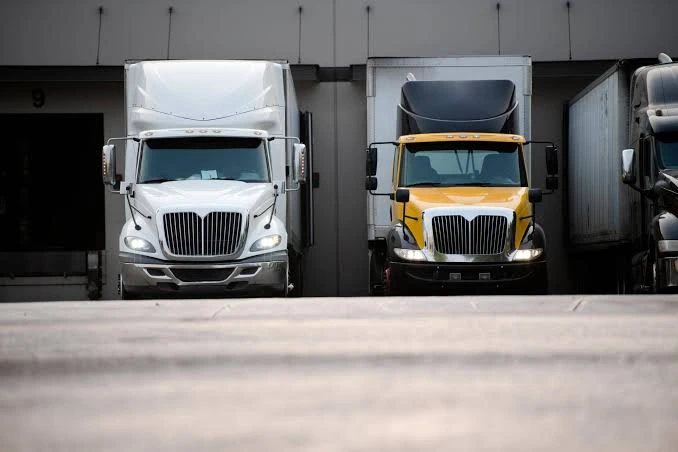
This is a reference note on what’s involved in commercial truck glass replacement, aimed at fleet managers, maintenance coordinators, and anyone documenting internal repair procedures.
Why Truck Windshield Specs Differ From Passenger Vehicles
Commercial truck glass is not interchangeable with passenger vehicle glass. Semi-truck windshields and side glass are manufactured to different thickness, curvature, and mounting specifications depending on cab manufacturer (Freightliner, Kenworth, Peterbilt, Volvo, Mack, International, Western Star, etc.). Getting this wrong isn’t just a fit issue — it affects structural integrity and driver visibility, both of which are regulated.
DOT / FMCSA Considerations
Under Federal Motor Carrier Safety Administration (FMCSA) regulations, a commercial vehicle’s windshield must be free of damage that obstructs the driver’s field of vision or compromises structural safety in the event of a rollover. Cracks or chips within the critical viewing area, or damage that spans a significant portion of the windshield, can result in an out-of-service violation during a roadside inspection.
Key points fleet managers should track:
- Damage location matters. Minor chips outside the driver’s direct line of sight may be repairable rather than requiring full replacement; damage inside the primary viewing area typically is not.
- Documentation. Keeping records of glass repairs/replacements per vehicle helps during DOT audits and can support warranty or insurance claims.
- Lead time on parts. Because commercial truck glass isn’t stocked the way passenger car glass is at most shops, downtime often comes down to whether a provider has the specific part in inventory versus needing to special-order it.
What a Full Truck Glass Replacement Process Typically Involves
- Assessment of the damage against DOT visibility standards
- Removal of the old glass and prep of the frame/seal area
- Installation of manufacturer-correct glass with appropriate adhesive/sealant (leak and wind-noise prevention is largely determined at this step)
- Cure time before the vehicle returns to service
- Final inspection
Providers that specialize in truck glass replacement for commercial fleets — as opposed to general auto glass shops — typically carry pre-stocked inventory for major manufacturers specifically to avoid the special-order lead-time problem, and offer covered facilities that can accommodate a full tractor-trailer without detachment.