


One blocked sink can be annoying. One slow shower may seem like a local issue. But when several drains block or slow at the same time, it is rarely a coincidence. Multiple affected fixtures often point to a problem deeper in the drainage system.
Homeowners sometimes try to treat each drain separately. They plunge the toilet, clean the shower drain, pour product into the kitchen sink, and hope each issue clears. But if all the drains are reacting at once, the problem may be in a shared line or main sewer connection.
Why Multiple Blockages Matter
Drains throughout the home connect into larger pipes before wastewater leaves the property. If a blockage forms in one of those larger lines, several fixtures can be affected at the same time.
For example, a restriction in the main sewer line may cause toilets, showers, floor wastes, and laundry drains to behave strangely. Water may back up through the lowest point because it cannot move away fast enough.
Signs of a Main Drain Problem
Warning signs include several slow drains, gurgling noises, bubbling toilets, water rising in a shower when the toilet is flushed, or overflow near an outdoor inspection point. These symptoms suggest the issue is not limited to one fixture.
If sewage or wastewater appears in a shower, toilet, or floor waste, the situation should be treated urgently. A blocked drain plumber in Melbourne should inspect the system before the backup spreads.
Why DIY Fixes Can Waste Time
When the main drain is affected, DIY methods used at individual fixtures usually do little. A plunger may move water briefly. A chemical product may sit in the wrong section. Cleaning a surface drain may not touch the deeper obstruction.
The danger is delay. While the homeowner treats each fixture separately, wastewater continues building behind the main restriction. The next heavy use of water may cause a backup.
Common Causes of Whole-Home Drain Problems
Main line blockages can be caused by tree roots, collapsed pipes, heavy sludge, foreign objects, broken joints, or major grease buildup. In older properties, clay pipes and mature roots are common contributors.
Melbourne blocked drains involving several fixtures often need professional clearing and inspection. The goal is to locate the blockage and understand why it formed, not just restore temporary flow.
What a Professional Will Usually Do
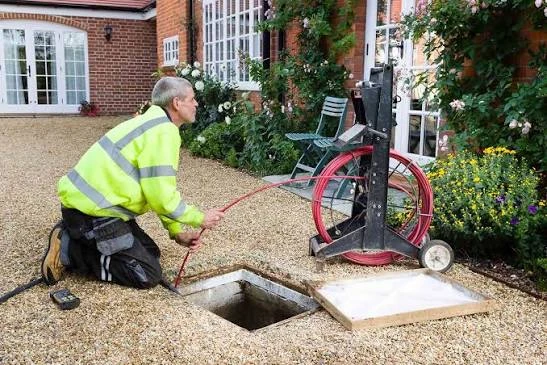
A plumber may test fixtures, locate inspection openings, clear the main line, and recommend a drain camera inspection. The camera can show whether the issue is roots, collapse, buildup, or pipe damage.
This information helps decide whether the solution is cleaning, repair, replacement, or relining. Without inspection, the same main drain blockage may return.
Conclusion
If all your drains block at the same time, do not treat it as a series of separate problems. It may be a sign of main sewer line failure or a serious shared drain blockage. Calling a blocked drain plumber quickly can reduce the risk of sewage backup and help identify the real cause.