



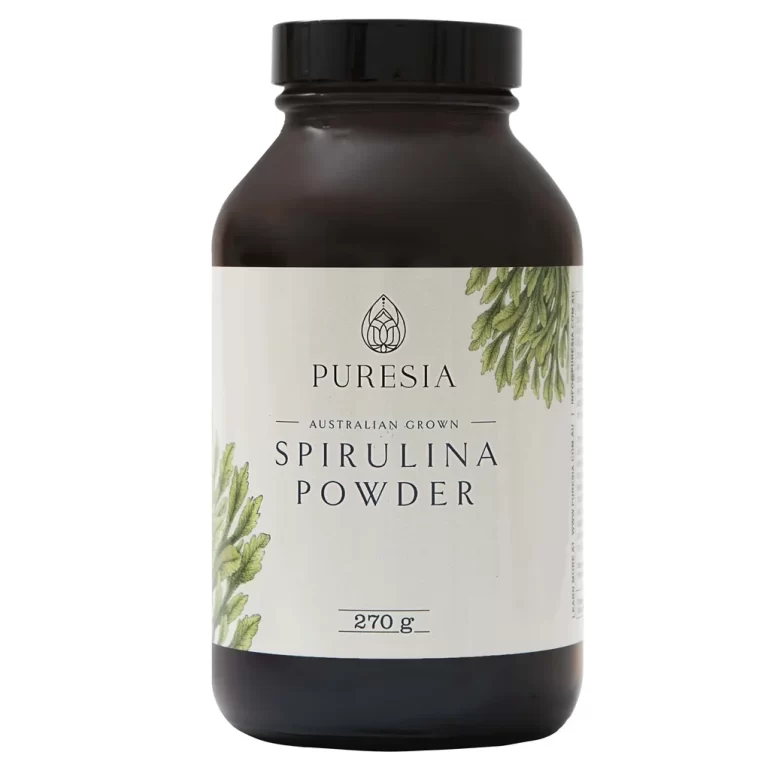
TL;DR: Australian spirulina is a freshwater microalgae that is exceptionally high in protein, B vitamins, iron, and antioxidants. Grown and harvested under regulated conditions in Australia, it is widely used as a daily nutritional supplement in powder and capsule form. Research supports its role in supporting energy, immune function, and general wellbeing.
Humans have consumed spirulina for centuries. The Aztecs harvested it from Lake Texcoco. NASA studied it as a potential food source for space missions. Today, it is one of the most researched and widely used dietary supplements available, and Australian-grown varieties have earned a strong reputation for purity and quality.
This guide covers everything you need to know about Australian spirulina: what it is, what the research says about its nutritional content, how it compares to other forms, and practical ways to incorporate it into your daily routine.
What Is Spirulina?
Spirulina is a type of cyanobacterium, commonly referred to as blue-green microalgae. It grows naturally in alkaline freshwater lakes and can be cultivated in controlled environments. The organism photosynthesises sunlight and produces a dense concentration of nutrients within its cellular structure.
What makes spirulina nutritionally significant is the sheer range of compounds it contains in a relatively small serving size. A single teaspoon (approximately 5g) of spirulina powder provides a notable amount of protein, alongside vitamins, minerals, and antioxidants.
What Does Australian Spirulina Contain?
Australian spirulina is recognised for its broad nutritional profile. According to well-established nutritional data, spirulina contains the following per 100g:
- Protein: Approximately 57-65g, making it one of the highest plant-based protein sources available
- Iron: A meaningful source of non-haem iron, relevant for those on plant-based diets
- B vitamins: Including B1 (thiamine), B2 (riboflavin), and B3 (niacin)
- Phycocyanin: A pigment-protein compound unique to cyanobacteria with studied antioxidant properties
- Gamma-linolenic acid (GLA): An omega-6 fatty acid not commonly found in other plant foods
- Chlorophyll: Present in significant amounts, which contributes to its deep green colour
- Beta-carotene: A precursor to vitamin A
It also contains small amounts of calcium, magnesium, potassium, and manganese. The protein in spirulina is considered complete, containing all essential amino acids, though the proportions vary.
Why Source Matters: Australian-Grown vs Imported
Not all spirulina is produced under the same conditions. Spirulina grown in open, unregulated environments can be exposed to environmental contaminants, including heavy metals and harmful bacteria. The quality of the water, cultivation method, and harvesting process all affect the final product.
Australian-grown spirulina benefits from clean water sources, regulated agricultural practices, and stricter quality controls compared to many imported alternatives. This matters because spirulina can absorb compounds from its growing environment, both beneficial and problematic.
When purchasing spirulina, it is worth checking whether the product is free from additives, fillers, and anti-caking agents. Puresia sources Australian spirulina that is 100% pure, with no added ingredients.
What Does the Research Say About Spirulina’s Health Benefits?
It is important to be clear: spirulina is a food supplement, not a medicine. It should not replace a varied diet or prescribed medical treatment. That said, there is a meaningful body of research examining its nutritional and health-related properties.
Energy and fatigue: Spirulina’s iron and B vitamin content may support normal energy metabolism. Iron is essential for the production of haemoglobin, which carries oxygen through the body. Low iron levels are a common cause of fatigue, particularly in women.
Immune function: Phycocyanin, the blue pigment in spirulina, has been the subject of numerous studies examining its antioxidant and anti-inflammatory properties. Antioxidants help the body manage oxidative stress, which is linked to immune function and cellular health.
Protein intake: For people following vegetarian or vegan diets, spirulina offers a concentrated plant-based protein source. While it would need to be consumed in relatively large quantities to serve as a primary protein source, it can contribute meaningfully to overall daily intake.
Cholesterol and blood pressure: Some human trials have observed modest improvements in LDL cholesterol and blood pressure in participants supplementing with spirulina, though the research is ongoing and results vary between individuals.
It is always advisable to speak with a qualified health professional before adding any supplement to your routine, particularly if you have existing health conditions or take medication.
Spirulina Powder vs Spirulina Capsules: Which Should You Choose?
Both forms contain the same core nutritional content. The difference comes down to convenience and preference.
Spirulina powder is versatile. It can be added to smoothies, blended into juices, stirred into water, or mixed into food. It has a distinct earthy taste that some people find strong, so blending it with fruit helps balance the flavour. Powder is generally more cost-effective per gram and allows for flexible dosing.
Spirulina capsules are pre-measured, easy to take, and have no taste. They are a straightforward option for people who want a reliable daily dose without any preparation. Capsule form is particularly practical when travelling or when including spirulina in a morning supplement routine.
For those new to spirulina, starting with a smaller amount and gradually increasing is a sensible approach. A common starting point is 3-5g per day.
How to Use Australian Spirulina Powder
The most common use is in a morning smoothie. Spirulina blends well with banana, mango, spinach, cucumber, and citrus. These ingredients help moderate the flavour while adding complementary nutrients.
Some practical uses include:
- Blending 1 teaspoon into a fruit smoothie
- Stirring into coconut water with lemon
- Adding to a green juice alongside celery and cucumber
- Incorporating into energy balls or bliss balls with dates and oats
- Mixing into yoghurt with honey
One note worth keeping in mind: spirulina should not be heated to high temperatures during cooking, as this can degrade some of its heat-sensitive nutrients. It is best used in cold or room temperature preparations.
How Much Should You Take?
There is no universally agreed daily dose for spirulina. Most research uses amounts between 1g and 8g per day. Many practitioners suggest starting at around 3g daily and adjusting based on individual response and goals.
Spirulina is generally well tolerated. Some people report mild digestive adjustment during the first few days, which typically settles. Those with phenylketonuria (PKU) or autoimmune conditions should consult a health professional before use, as spirulina contains phenylalanine and may stimulate immune activity.
Making Spirulina Part of Your Routine
Australian spirulina is a well-researched, nutrient-dense supplement with a long history of use. Its concentrated protein, iron, B vitamins, and antioxidant content make it a practical addition to a balanced diet, particularly for those with higher nutritional needs or plant-based dietary patterns.
The key is consistency. A single serve will not produce noticeable changes; regular, daily use over weeks is where the nutritional contribution becomes meaningful. Starting small, finding a preparation method that works for your preferences, and sourcing a product that is pure and free from additives are the most important practical steps.