




Action movies make every location work overtime. A modest house becomes a siege site. A warehouse becomes a final-boss arena. A motel corridor needs to support a chase, a fight, a hidden camera position and a stunt team carrying more gear than the building was ever meant to hold.
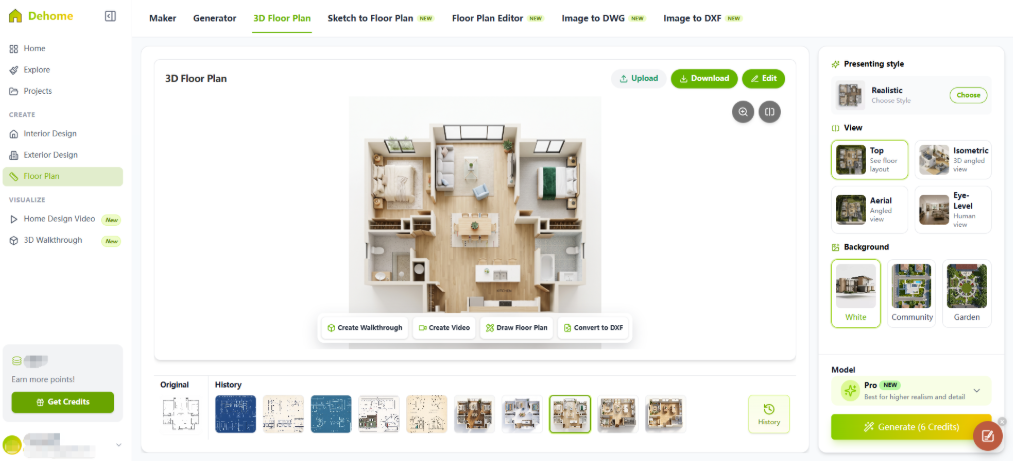
For an indie crew, the problem is rarely a lack of ideas. It is seeing the whole location clearly enough to decide which ideas are possible. A 3d floor plan can turn a 2D layout into a rendered visual that helps departments discuss room relationships, entrances, furniture zones and circulation before the first light stand arrives. It is not full previsualization, and it will not replace a technical scout, but it can give everyone a useful shared reference.
The location needs to survive the camera plan
A director may see a dramatic doorway. The cinematographer sees the space needed for a lens and operator. The stunt coordinator sees the safe route for performers. The production designer sees the furniture that will sell the character. All of them can be right, and all of them can be planning for the same three feet of floor.
Start with a basic plan of the location. Mark entrances, windows, narrow passages, staircases, fixed furniture and areas that cannot be touched. Then use a 3D view to discuss what the plan means in practice. Can the camera move behind the sofa? Is there a safe line for a performer to retreat? Where will cables and crew stand when the room is full?
Design the exterior for the story, not just the establishing shot
The outside of a location tells the audience what kind of world they have entered. A tired ranch house can suggest a fugitive’s hiding place. A severe concrete façade can frame a conspiracy thriller. A small garage may become a convincing workshop or covert command center with the right treatment.
Before committing to physical changes or dressing choices, a home exterior design concept can help the art department explore façade styles, materials, colors, entrance details and landscape directions from a clear exterior photograph. It can be useful for mood boards, pitch decks and early discussions about how far a real location needs to be pushed.
Use the concept to ask practical questions
A generated exterior image can suggest a darker façade, new siding, a changed entrance or different roof details. Those are visual possibilities, not construction instructions. The crew still needs to confirm owner permissions, budget, weather protection, access, power, safety and what can actually be changed or faked with set dressing.
For many productions, the most efficient answer is selective transformation. Change the front door, add a practical light, redress the porch and control the camera angle rather than attempting a full renovation. The concept image helps determine where that limited effort will be most visible.

Keep every department in the loop
A floor plan and exterior reference can be exported or shared in a production packet. They are useful for remote discussions before a scout, especially when department heads cannot attend at the same time. The plan should be updated when the location changes, and the team should keep the original source material available so no one mistakes a visual concept for a measured technical drawing.
This small amount of preparation can prevent major friction. A planned fight route may reveal a dead end. A camera angle may expose a wall that cannot be dressed. An exterior concept may show that the desired mood is better achieved at dusk than through an expensive physical alteration.
Safety and reality come first
No AI concept or 3D plan approves a stunt, a rig, an electrical change or a structural modification. Those decisions belong to qualified crew and, where required, local authorities. The physical scout remains essential.
But action filmmaking has always been about making the impossible feel inevitable. When a crew understands the space before it arrives, the day has a better chance of feeling controlled rather than chaotic—and that leaves more energy for the parts the audience will actually remember.