



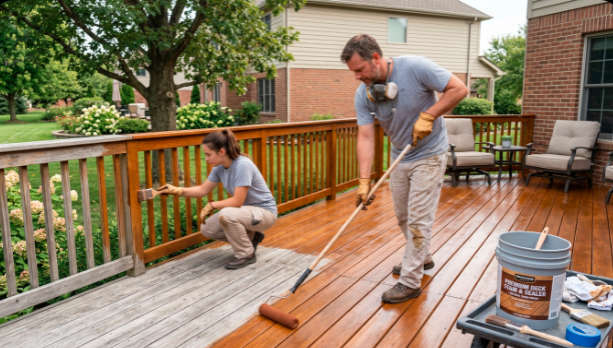
Introduction to Deck Painting and Its Importance
Deck painting is one of the most effective ways to improve the appearance, durability, and value of any outdoor wooden structure. Whether it is a backyard deck, patio platform, or wooden terrace, exposure to sunlight, rain, dust, and temperature changes can gradually damage the surface over time. Without proper maintenance, wood begins to crack, fade, warp, or even rot, which not only affects its appearance but also reduces its structural strength.
Applying a fresh coat of paint is not just about aesthetics; it is also a protective measure that extends the life of the wood. A well-painted deck acts as a barrier against moisture, UV rays, insects, and environmental wear and tear. Many homeowners underestimate how much difference proper painting can make, but in reality, it can transform an old, dull deck into a visually appealing and long-lasting outdoor space.
Understanding the right techniques, materials, and preparation steps is essential to achieving professional-quality results. Deck painting is not simply about applying color; it is a process that requires careful planning and execution.
Preparing the Deck Surface Before Painting
Proper preparation is the most critical step in achieving a smooth and durable finish. Many paint failures occur not because of poor-quality paint but due to insufficient surface preparation. Before starting the painting process, the deck must be thoroughly cleaned and inspected.
Dirt, dust, algae, mildew, and old peeling paint should be removed completely. A pressure washer is often used for deep cleaning, as it can remove stubborn debris and restore the natural surface of the wood. If a pressure washer is not available, scrubbing with a stiff brush and a wood cleaner solution can also be effective.
After cleaning, the deck must be allowed to dry completely. Painting on a damp surface can trap moisture inside the wood, leading to bubbling and peeling later. Once dry, inspect the surface for cracks, splinters, or damaged boards. Any imperfections should be repaired before painting begins. Sanding the surface is also important because it smooths rough areas and helps the paint adhere better.
Skipping preparation steps can significantly reduce the lifespan of the paint job, making the deck look worn out much sooner than expected.
Choosing the Right Paint and Materials
Selecting the correct type of paint is crucial for achieving long-lasting results. Not all paints are suitable for outdoor wooden surfaces. Exterior-grade paints are specifically designed to withstand weather conditions, making them ideal for deck painting projects.
There are generally two main options: solid deck stains and exterior paints. Solid stains penetrate the wood while providing color and protection, whereas paints create a thicker protective layer on the surface. Each option has its advantages depending on the desired look and maintenance level.
In addition to paint, using a high-quality primer is often recommended. Primer helps seal the wood, improves paint adhesion, and enhances color vibrancy. It also reduces the number of paint coats needed for full coverage.
Other essential tools include brushes, rollers, paint trays, painter’s tape, and protective coverings. Using professional-grade materials ensures smoother application and better durability over time.
Weather Conditions and Timing Considerations
Weather plays a major role in the success of a deck painting project. Painting under unsuitable conditions can lead to uneven drying, bubbling, or poor adhesion. The best time for deck painting is during dry weather with moderate temperatures.
Extremely hot conditions can cause paint to dry too quickly, leading to visible brush marks and uneven coverage. On the other hand, cold or humid conditions slow down drying time and may trap moisture under the paint layer. Rain is also a major risk factor, as it can completely ruin a fresh paint job if the surface has not fully cured.Ideally, painting should be done when there is no rain forecast for at least 24 to 48 hours. Checking weather conditions in advance ensures better results and reduces the risk of rework.The actual painting process should be carried out in a systematic manner to achieve a smooth and professional finish. Once the surface is fully prepared and dry, the first step is applying painter’s tape to protect nearby walls, railings, or surfaces that should not be painted.
Next, a primer coat is applied if required. This step helps create a strong foundation for the paint. After the primer dries completely, the main paint is applied using a brush or roller. A brush is usually used for edges and corners, while a roller covers larger flat areas more efficiently.
It is important to apply thin, even coats rather than a single thick layer. Thick coats tend to drip, crack, or take longer to dry. In most cases, two coats of paint are recommended for full coverage and durability. Allow sufficient drying time between coats to ensure proper bonding.Once painting is complete, the deck should be left undisturbed for at least 24 to 72 hours, depending on the paint type and weather conditions. This curing period is essential for long-term durability.
Common Mistakes to Avoid During Deck Painting
Many people make mistakes during deck painting that reduce the quality and lifespan of the finish. One of the most common errors is skipping surface preparation. Painting directly over dirt or old peeling paint leads to poor adhesion and uneven results.
Another mistake is using the wrong type of paint. Interior paints or low-quality coatings are not designed for outdoor exposure and will deteriorate quickly. Choosing the right exterior-grade paint is essential for long-term performance.Applying paint too thickly is another frequent issue. While it may seem like a shortcut to better coverage, thick layers often result in cracking and slow drying. Multiple thin coats always produce better results.
Ignoring weather conditions is also a major problem. Painting in unsuitable conditions can ruin the entire project, requiring repainting much sooner than expected.Once the deck has been painted, proper maintenance is necessary to preserve its appearance and durability. Regular cleaning helps prevent dirt buildup, mold growth, and surface damage. Sweeping the deck frequently and washing it with mild soap and water can keep it looking fresh.
It is also important to inspect the deck periodically for signs of wear, such as fading, chipping, or peeling paint. Addressing small issues early prevents them from becoming larger problems later.Furniture and heavy objects should be moved carefully to avoid scratching the painted surface. Using protective pads under furniture legs can help reduce damage. Repainting or touch-ups may be required every few years depending on weather exposure and usage.
Benefits of Professional Deck Painting Services
While many homeowners prefer DIY deck painting, hiring professional services can offer several advantages. Professionals have the experience, tools, and knowledge required to deliver high-quality finishes efficiently. They can also identify structural issues that may not be visible to an untrained eye.
Professional painters ensure proper surface preparation, correct paint selection, and precise application techniques. This results in a longer-lasting finish compared to most DIY projects. Although professional services may cost more initially, they often save money in the long run by reducing maintenance and repainting frequency.A freshly painted deck can dramatically improve the overall appearance of outdoor spaces. It creates a clean, welcoming environment for relaxation, gatherings, and outdoor activities. Choosing the right color can complement the surrounding landscape, garden, or home exterior design.
Neutral tones often provide a classic and elegant look, while bold colors can create a modern and stylish appearance. The choice of color should align with personal preferences and the overall design theme of the property.Deck painting not only enhances visual appeal but also increases property value by improving curb appeal. A well-maintained outdoor area leaves a positive impression on visitors and potential buyers.
Conclusion
Modern deck painting practices also take environmental impact into account. Many manufacturers now produce eco-friendly paints with low levels of volatile organic compounds (VOCs). These paints are safer for both users and the environment.
Proper disposal of paint materials and cleaning water is also important to prevent environmental contamination. Choosing sustainable products and following responsible practices contributes to a healthier environment while maintaining beautiful outdoor spaces.Deck painting is a valuable investment that enhances both the beauty and durability of outdoor wooden structures. From proper preparation and material selection to careful application and maintenance, every step plays an important role in achieving long-lasting results.
A well-painted deck not only improves visual appeal but also protects the structure from weather damage, moisture, and wear over time. Whether done as a DIY project or through professional services, attention to detail ensures a strong and attractive finish.With the right approach, deck painting can completely transform an outdoor space, making it more enjoyable, functional, and visually appealing for years to come.