



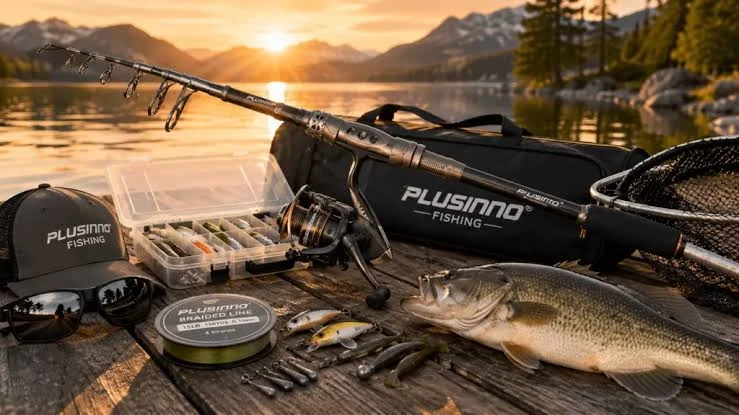
Walk into the fishing aisle for the first time and it’s a lot. Spinning, baitcasting, ice, fly — every combo promises to be “the one.” If you just want to catch fish without spending an afternoon researching gear ratios, here’s the short version: for almost every beginner, a spinning rod and reel combo is the right starting point. Everything else in this guide builds out from there.
I’ll walk through what actually matters when picking your first combo, a few solid options to look at, and what to avoid so your first few trips are about fishing — not fighting your gear.
Why Beginners Should Start With a Spinning Combo
Ask any longtime angler what they’d hand a first-timer, and spinning gear comes up almost every time. It’s not the flashiest option, but it’s the most forgiving:
- Fewer tangles. Baitcasting reels are notorious for “bird’s nests” — backlash tangles that happen when the spool spins faster than your line goes out. Spinning reels don’t have that problem, which means less frustration and more actual fishing.
- Easier casting. The open-face design makes casting more intuitive, especially with lighter lures and bait.
- Versatile. A medium-power spinning combo can handle panfish, bass, walleye, and plenty of other common species without needing to be species-specific.
Baitcasting combos have real advantages — better control for heavier lines and long, accurate casts — but they come with a learning curve that’s more fun to tackle once you’re already comfortable on the water.
What to Look for in a Beginner Fishing Combo
Rod Length and Power
For general freshwater fishing, a 6’6″ to 7′ medium-power, fast-action rod is a solid, do-it-all starting point. It’s long enough for reasonable casting distance without being unwieldy, and “medium power” gives you flexibility across lure and bait weights rather than locking you into one style of fishing.
Reel Size
Reel sizes are usually labeled by number (like 20, 30, 40). For most beginner freshwater setups targeting panfish, bass, and similar species, a 2000–3000 size reel is the sweet spot — enough line capacity without unnecessary bulk.
Pre-Spooled vs. Not
Some combos come pre-spooled with line, which is genuinely helpful for a first-time buyer — one less thing to figure out before your first trip. If you’re not confident spooling a reel yourself yet, look specifically for a pre-spooled option.
Combo vs. Buying Separately
Buying a matched combo — rod and reel sold and balanced together — takes the guesswork out of pairing components correctly. For your first setup, this is almost always the smarter move over buying a rod and reel separately and hoping they pair well.
Best Fishing Rod and Reel Combos for Beginners
Here’s where to start looking, based on what’s actually well-regarded and widely available for new anglers:
Abu Garcia spinning combos — Abu Garcia has built a strong reputation in the beginner-to-intermediate space, and its spinning combos (like the Max series) are a common recommendation for first-time buyers. They typically combine a durable graphite build with smooth, ball-bearing-supported reels, and pricing generally sits in an approachable range for a first setup — SCHEELS has carried these combos with bundled tackle in past promotions, so it’s worth checking current pricing and package deals.
Shakespeare combos — Shakespeare is one of the most established names in beginner and family fishing gear, known for straightforward, no-fuss combos that prioritize ease of use over technical features.
SCHEELS Outfitters combos — SCHEELS’ own house brand of rod and reel combos is specifically built to span skill levels, including beginner-friendly setups, and can be a good way to get a balanced combo without navigating between several outside brands.
Zebco combos — If you’re buying for a young or first-time angler who wants the simplest possible casting experience, Zebco’s push-button spincast combos (including youth-specific lines) remove the learning curve almost entirely, though they trade off some casting distance and precision compared to true spinning gear.
Availability, bundle inclusions (some combos include tackle packs), and pricing change often, so check current stock directly on SCHEELS’ fishing combo pages before buying.
Affordable Fishing Combo Options Without Sacrificing Quality
Beginners don’t need to spend big to get a combo that performs well. A few tips for getting good value:
- Watch for bundled deals. Combos that include tackle, line, or a travel case often work out to better overall value than buying components separately.
- Don’t over-invest before you know your interest. A budget-to-mid-range combo (generally in the $40–$100 range for most freshwater spinning setups) is plenty to learn on. You can always upgrade once you know which type of fishing you enjoy most.
- Prioritize reel smoothness over rod flash. A reel with decent ball bearings and a smooth drag system will make a bigger difference in your experience than a rod with fancy cosmetics.
Beginner Fishing Gear Checklist
A combo is the centerpiece, but a few other basics round out a first fishing trip:
- Fishing line (if your combo isn’t pre-spooled)
- A small tackle box with hooks, weights, and bobbers
- A handful of versatile lures (soft plastics and spinnerbaits cover a lot of ground)
- Needle-nose pliers for hook removal
- A landing net
- A valid fishing license for your state
Common Mistakes First-Time Buyers Make
- Buying a combo that’s too heavy or too light for the target species. An ultralight combo struggles against bigger fish; an oversized rod is overkill and less enjoyable for panfish.
- Skipping the license. It’s easy to forget, but fishing without a valid state license can result in real fines.
- Assuming more expensive automatically means better for a beginner. High-end combos often add features (like advanced drag systems or specialized actions) that matter more once you already know your preferences.
- Not testing the reel handle and drag in person if possible. A reel that feels smooth in a store is a good sign; one that feels gritty or stiff usually won’t improve with use.
Where to Buy Your First Fishing Combo
SCHEELS carries fishing rod and reel combos across nearly every category — spinning, baitcasting, ice fishing, fly fishing, travel, and youth combos — from trusted brands including Abu Garcia, Shakespeare, Lew’s, PENN, Daiwa, and SCHEELS’ own Outfitters line. For a first-time buyer, having staff on hand who can talk through rod power, reel size, and what actually fits your local fishing spots is worth more than guessing from online spec sheets alone.
Frequently Asked Questions
Q: Should a beginner start with a spinning or baitcasting combo?
Ans: Spinning, almost always. It’s more forgiving to learn on, with far fewer tangles, and works well across a wide range of freshwater species.
Q: What size reel is best for beginners?
Ans: A 2000–3000 size spinning reel covers most freshwater beginner fishing, from panfish to bass, without unnecessary bulk.
Q: How much should I spend on my first fishing rod and reel combo?
Ans: Most beginners do well with a combo in the roughly $40–$100 range. That’s enough to get a reliable, smooth-functioning setup without overinvesting before you know your preferences.
Q: Do I need a pre-spooled combo?
Ans: It’s not required, but it’s a genuine convenience for first-timers, since spooling line correctly takes a bit of practice on its own.
Q: What’s the difference between a spinning combo and a spincast combo?
Ans: Spincast (push-button) combos are the simplest to use and popular for kids or true first-timers, but they generally offer less casting distance and control than spinning gear. Spinning combos strike a better balance of ease-of-use and performance for most beginner adults.