



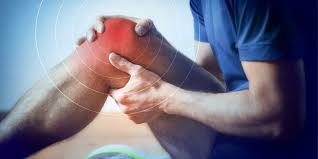
Knee pain can make even simple movements feel difficult, from climbing stairs to sitting cross-legged or walking for long hours. For some people, it starts after exercise or overuse. For others, it may come with age, stiffness, weight pressure, arthritis, weakness in surrounding muscles, or an old injury that keeps coming back.
The good news is that mild to moderate knee discomfort can often be managed at home with the right care. Natural remedies do not mean ignoring the problem. They mean supporting the knee with rest, movement, warmth, cold therapy, strengthening, and better daily habits. Medical sources also recommend self-care measures such as gentle exercise, ice, heat, and knowing when to seek help, especially if pain is severe, swelling is sudden, or the knee locks or gives way.
Here are some of the best natural remedies for knee pain at home.
- Use Cold Therapy for Swelling and Fresh Pain
If your knee pain has started suddenly after a twist, strain, workout, fall, or long day of activity, cold therapy can help. Applying an ice pack may reduce swelling and calm pain by slowing blood flow to the irritated area.
Wrap ice or a cold pack in a towel and place it on the knee for 10 to 15 minutes. Do not put ice directly on the skin. This can be repeated a few times a day during the first couple of days after a minor injury. NHS-based knee injury guidance also recommends using ice safely for short periods, especially after sprains or strains.
Cold therapy is usually better for fresh swelling, sharp pain, and post-activity soreness.
- Try Heat Therapy for Stiffness
Heat works differently from ice. It relaxes tight muscles, improves blood flow, and can make stiff knees feel easier to move. It is especially useful when the pain feels dull, chronic, or linked with morning stiffness.
Use a warm towel, heating pad, or warm water compress for 15 to 20 minutes. Avoid high heat, especially if your skin is sensitive. Heat can be helpful before stretching or light exercise because it prepares the muscles around the knee for movement. Cleveland Clinic notes that heat may soothe stiff joints, while cold therapy may help reduce pain and inflammation.
Here’s the thing: heat and ice are not competitors. They work best in different situations. Ice is usually better for swelling. Heat is usually better for stiffness.
- Do Gentle Knee Exercises
Rest is important, but complete inactivity can make knee pain worse over time. The knee depends on support from the thigh, hip, calf, and core muscles. When these muscles are weak, the joint takes more pressure.
Gentle exercises can improve movement and stability. Try simple options like:
Straight leg raises: Lie down, keep one leg bent and the painful leg straight. Lift the straight leg slowly, hold for a few seconds, and lower it.
Heel slides: Lie on your back and slowly slide your heel toward your hips, then straighten the leg again.
Wall-supported mini squats: Stand with your back against a wall and bend slightly, not deeply. Keep the movement controlled.
Calf raises: Hold a chair for support and slowly rise onto your toes, then come down.
The goal is not to push through pain. The goal is to build support. Mayo Clinic explains that strengthening muscles around the knee can improve stability, and Harvard Health highlights that stronger muscles can reduce pressure on the joint.
- Stretch Tight Muscles Around the Knee
Knee pain is not always only about the knee. Tight hamstrings, calves, hips, and quadriceps can pull on the joint and affect movement. Stretching helps reduce this tension.
Try gentle stretches for the front thigh, back thigh, calf, and hip flexors. Hold each stretch for 15 to 30 seconds. Do not bounce. Do not force the knee into a painful angle.
A simple hamstring stretch can be done while sitting with one leg extended. Lean forward slightly from the hips until you feel a stretch at the back of the thigh. For calf stretching, place your hands on a wall, step one foot back, and press the heel down.
Stretching is most effective when done consistently, not aggressively.
- Massage the Area Around the Knee
Light massage may help relax tight muscles and improve comfort. Focus on the thigh, calf, and area around the knee rather than pressing directly on the kneecap or swollen areas.
You can use warm oil for massage, such as sesame oil, coconut oil, or mustard oil, depending on your skin comfort. Massage should be gentle and soothing. If the knee is hot, red, swollen, or painful to touch, avoid massage and consider medical advice.
For people looking for convenient topical support, a knee joint pain relief cream may also be used as part of a routine. It can help create a warming or cooling sensation and make massage easier. However, it should not be treated as a cure for injury, arthritis, or serious joint problems.
- Use a Pain Relief Spray After Activity
A pain relief spray can be useful after walking, exercise, household work, or long hours of standing. Many sprays provide a cooling or warming effect that helps distract from discomfort and relax the surrounding area.
Use it only as directed on the label. Do not apply on cuts, rashes, irritated skin, or near the eyes. Also avoid using a spray right before applying heat, unless the product specifically says it is safe. Combining strong topical products with heat may irritate the skin.
A pain relief spray works best when paired with rest, stretching, hydration, and strengthening. Used alone, it may give temporary relief, but it will not correct the root cause of recurring knee pain.
- Maintain a Healthy Weight
The knees carry much of the body’s weight. Even a small increase in weight can add extra pressure while walking, climbing stairs, or standing. Weight management is not about appearance. It is about reducing daily load on the joint.
A balanced diet with adequate protein, fruits, vegetables, whole grains, and healthy fats can support muscle and joint health. Staying active through low-impact movements like walking, swimming, cycling, or yoga can also help.
If pain increases with high-impact exercise, shift to gentler options until the knee becomes stronger.
- Improve Your Sitting and Standing Habits
Daily posture plays a big role in knee comfort. Sitting for too long with knees bent can increase stiffness. Standing for long hours without movement can also cause discomfort.
Try these small habits:
Change position every 30 to 45 minutes.
Avoid sitting with knees folded for long periods.
Use supportive footwear.
Avoid sudden twisting movements.
Do not climb stairs quickly when the knee is painful.
Use a chair with proper height so your knees are not sharply bent.
Small corrections repeated daily can reduce strain.
- Support the Knee During Movement
A knee brace or elastic support may help during walking or light activity, especially if the knee feels unstable. It should feel supportive, not tight. If there is numbness, tingling, or increased swelling, remove it.
Support is helpful, but do not become fully dependent on it. The long-term goal should be stronger muscles and better movement control.
- Don’t Ignore Sciatica-Like Pain
Sometimes pain around the knee is not coming from the knee joint itself. Nerve-related pain from the lower back, hip, or leg may travel downward and create discomfort around the thigh, knee, calf, or foot. This is why some people searching for sciatica pain relief also experience leg or knee discomfort.
Sciatica pain often feels like burning, tingling, numbness, or shooting pain. It may worsen while sitting or bending. In such cases, only applying a knee joint pain relief cream or pain relief spray may not be enough because the source may be the lower back or nerve pathway.
Gentle back stretches, posture correction, heat therapy, and medical guidance may be needed if nerve symptoms continue.
When Should You See a Doctor?
Home remedies are useful for mild pain, stiffness, or overuse discomfort. But medical help is important if the knee is badly swollen, red, hot, deformed, unstable, locked, or unable to bear weight. You should also seek help if pain follows a serious injury or does not improve with self-care. NHS guidance highlights warning signs such as inability to straighten the knee, instability, deformity, or severe pain after injury.
Final Thoughts
Natural knee pain relief is not about one magic remedy. It is about combining the right steps: ice for swelling, heat for stiffness, gentle exercise for strength, stretching for flexibility, massage for comfort, and better daily habits for long-term support.
A knee joint pain relief cream or pain relief spray can be helpful for temporary comfort, especially after activity, but they work best as part of a complete care routine. And if your symptoms feel like nerve pain, tingling, or pain traveling from the lower back to the leg, you may also need to think beyond the knee and explore proper sciatica pain relief guidance.
Listen to your body. Move gently. Strengthen slowly. And when pain feels unusual, severe, or persistent, get it checked rather than waiting for it to worsen.