


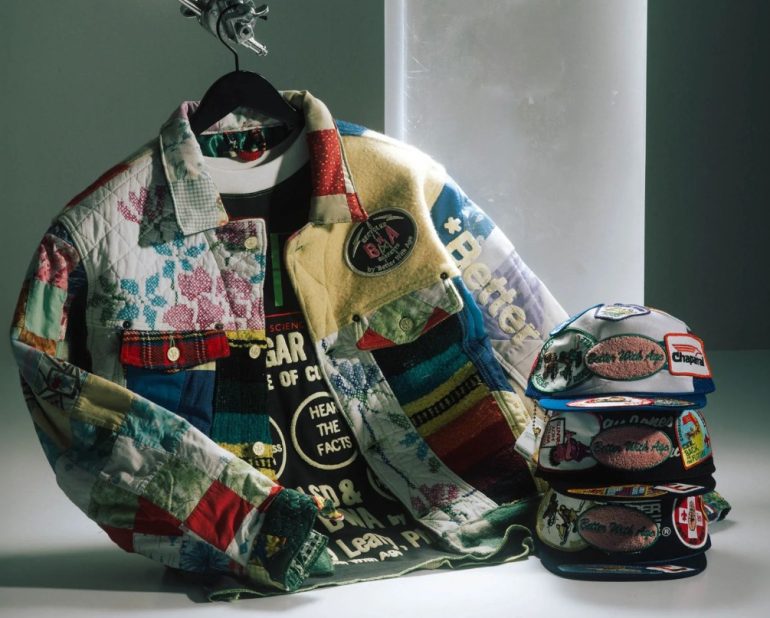
A few years ago I cleaned out my closet and counted something like thirty shirts. Thirty. And I could genuinely only remember reaching for maybe six of them on a regular basis. The rest were just… there. Bought on some random Tuesday because they were cheap, worn twice, then forgotten. That closet clean-out is basically where the idea for Better With Age started, even if it took a while to turn into an actual brand. Because the more I looked at those thirty shirts, the more obvious it became that the problem wasn’t that I didn’t have enough clothes. It’s that almost none of them were built to be kept.
The Fast Fashion Trap Nobody Talks About
Everybody knows fast fashion is cheap. What people talk about less is how that cheapness is kind of the whole point, and not in a good way. A shirt that costs fifteen dollars isn’t priced that low by accident — it’s priced that low because the fabric is thin, the stitching is minimal, and the whole thing is engineered to look fine in the store and then start falling apart within a few months of actual wear. That’s not a conspiracy theory, it’s just how the math works when a brand needs you buying replacements every season instead of once every few years. You end up spending more over time on cheap clothes than you would on one good one, you just don’t notice it because it’s spread out across a dozen small purchases instead of one big one.
And it’s not only about money. It’s about how little any of those clothes actually mean to you. Nobody has an emotional attachment to a shirt they bought on impulse and replaced eight months later. That kind of attachment only comes from things that stick around long enough to actually become yours — worn in a specific spot, faded in a way nobody else’s copy is faded, carrying some memory of an actual day you wore it.
So What Does “Better With Age” Actually Mean?
This is where raw denim comes in, because honestly it’s the clearest example. A pair of Better With Age jeans starts out stiff, dark, almost uncomfortable — the kind of stiff that makes you wonder if you bought the wrong size. Give it six months of real wear though, and something interesting happens. The indigo starts fading exactly where your body moves the most: creases behind the knees, whiskering at the hips, maybe a little wear right where your phone sits in your pocket every day. Nobody else’s jeans will fade in that exact pattern, because nobody else moves through the world exactly like you do. It’s basically a wearable record of how you actually live, which sounds a little dramatic for a pair of pants, but it’s true.
Leather does something similar, just on its own timeline. A brand-new leather jacket looks almost shy — pale, stiff, a little too perfect. Give it a year of actual sun exposure and handling and it darkens into this deep, warm color that no amount of factory treatment can fake. Heavy canvas jackets do it too. Even a good wool sweater develops a kind of softness over time that it didn’t have when it first came out of the box. None of these materials are picked by accident. They’re picked specifically because time is part of the design, not something to be avoided.
Why Buying Less Actually Works Better
I’ll admit, when Better With Age first started, the pricing felt like a hard sell. Asking someone to pay more upfront for one jacket instead of grabbing three cheap ones from a mall store goes against basically everything fast fashion has trained shoppers to do. But here’s what actually happens once people make that switch — they stop buying jackets. Not because they can’t afford another one, but because they don’t need one. The first jacket is still going strong two, three, five years later, usually looking better than it did on day one.
Run that math across an entire wardrobe and the picture changes pretty fast. Fewer purchases, fewer decisions standing in front of a closet every morning, less stuff piling up that gets worn twice and forgotten. It’s not really about spending more money, even though it can look that way at first. It’s about spending money on things that actually get used, instead of things that just take up space.
There’s Also Just Something About How It Looks
New clothes have this strange sameness to them. Everything looks stiff, uniform, almost too clean, like nobody’s actually lived in it yet — because nobody has. Worn-in pieces don’t have that problem. A jacket with some honest creasing at the elbows looks like it belongs to someone. Boots with real scuff marks look more trustworthy than the same pair fresh out of the box. There’s a kind of character that only shows up after actual use, and it genuinely cannot be manufactured or faked, no matter how hard a brand tries with pre-distressed everything. Real wear tells a different, more believable story.
The Environmental Side, Without Overselling It
I don’t want to pretend sustainability was the only reason Better With Age Shirt exists, because it wasn’t. But it’s a real benefit, and it matters. Textile waste is a genuinely enormous problem, and a huge share of it comes from clothes worn a handful of times before getting tossed. One pair of well-made boots, resoled a couple of times over ten years, does more good than ten cheap pairs that all end up in a landfill within two years combined. Durable clothing is also just easier to repair — a patched knee or a resoled heel can add years to something’s life in a way that thin, cheap fabric simply can’t handle. If doing the right thing environmentally happens to line up with owning better stuff, that’s about as easy a trade-off as it gets.
Where to Actually Start
Nobody needs to replace their entire closet in one weekend, and honestly, trying to do that usually backfires and just becomes another form of overbuying. The better move is picking the one thing worn the most — jeans, a jacket, a pair of boots, whatever gets used week after week — and choosing a genuinely well-made version of exactly that. Everything else tends to follow naturally after that first piece earns its place.
Better With Age, in the End
Trends are designed to expire, that’s just the business model behind fast fashion. Better With Age was built to work the opposite way — clothing meant to be kept, repaired when it needs it, and appreciated more with every year instead of less. It’s a slower way to shop, no argument there. But it’s also the version that still feels right once the excitement of “new” wears off, which, if we’re being honest, usually doesn’t take very long anyway.