



When it comes to moving bulk materials vertically through a processing plant, few pieces of equipment work as hard or as quietly as a bucket elevator. Whether you are handling cement, grain, aggregates, or chemical powders, choosing the right drive system can make the difference between decades of reliable service and a maintenance headache that never seems to end. Among the many decisions plant engineers face, the choice between belt and chain drive bucket elevators tends to spark the most debate, and for good reason. Each system brings its own strengths to the table, and understanding those differences is essential before committing to an investment that will shape your material handling efficiency for years to come.
Understanding the Basics of Bucket Elevator Design
At its core, a bucket elevator is a mechanical conveying system that uses a series of buckets attached to either a belt or a chain to lift materials from a lower point to a higher one. The simplicity of the concept hides a surprising amount of engineering nuance. The choice of belt or chain affects everything from load capacity and speed to abrasion resistance and long-term maintenance costs. Manufacturers like Cementl have spent years refining these systems specifically for demanding industries such as cement production, where dust, heat, and continuous operation put enormous strain on equipment. Their engineering approach reflects a deep understanding that no single bucket elevator configuration fits every application.
Belt Drive Systems: Speed and Simplicity
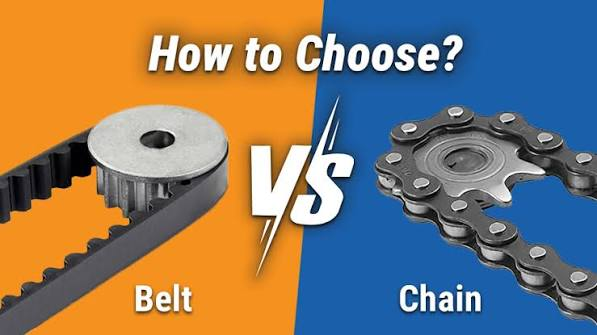
Belt driven bucket elevators are often the go-to choice for handling lighter, non-abrasive materials at higher speeds. The rubber or fabric belt allows for smoother operation with less noise, and because there are fewer moving metal parts, wear tends to be more predictable. This type of bucket elevator is particularly well suited to grain handling, food processing, and other applications where product purity and gentle handling matter. Belts also tend to be more forgiving when it comes to installation tolerances, which can reduce upfront engineering costs. However, belts have their limits. They are not ideal for extremely hot materials or heavy, sharp-edged aggregates that can quickly wear through the belt surface. For plants dealing with high temperatures or coarse materials, a chain driven bucket elevator often becomes the more practical option.
Chain Drive Systems: Built for Heavy Duty Applications
Chain driven bucket elevators are the workhorses of industries like cement manufacturing, mining, and mineral processing. The chain, typically made from hardened steel, can withstand higher temperatures, heavier loads, and more abrasive materials than a belt ever could. This durability comes at a cost, quite literally, since chain systems generally require more maintenance and lubrication to prevent wear at the pivot points. Noise levels also tend to be higher with chain systems, and the added weight of the chain itself means more energy is needed to drive the elevator. Still, for facilities processing cement clinker, limestone, or other dense and abrasive materials, the added robustness of a chain driven bucket elevator often outweighs these drawbacks. Companies like Cementl have built their reputation on designing chain systems that balance strength with efficiency, ensuring that plants can run continuously without unexpected downtime.
Making the Right Choice for Your Operation
Selecting between a belt or chain bucket elevator ultimately comes down to understanding your material characteristics and production demands. If you are transporting lightweight, non-abrasive products at high throughput, a belt system will likely serve you well and save on both initial and operating costs. On the other hand, if your operation involves heavy, hot, or abrasive materials, particularly in cement or heavy industrial settings, a chain driven bucket elevator is usually the safer long-term investment. It is also worth considering hybrid approaches, since some manufacturers now offer reinforced belt systems designed to handle moderately abrasive materials while retaining the smoother operation belts are known for. Consulting with experienced equipment providers, such as Cementl, can help clarify which configuration aligns best with your specific throughput, material type, and budget constraints.
Final Thoughts on Bucket Elevator Selection
Choosing between belt and chain drive bucket elevators is not a decision to rush. Each system offers distinct advantages depending on the materials being handled and the operating environment. Belt systems shine in speed and simplicity, while chain systems excel in durability and heavy duty performance. By carefully evaluating your material properties, production goals, and long term maintenance capacity, you can select a bucket elevator system that keeps your operation running smoothly for years to come. If you are still weighing your options, reaching out to specialists who understand both the mechanical and practical sides of bucket elevator design, like the team at Cementl, can save you time, money, and unnecessary downtime down the road.