



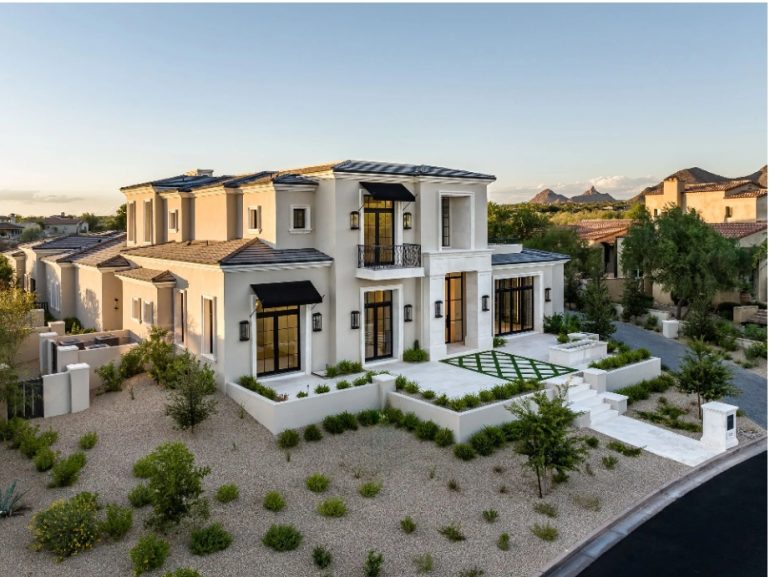
Modern construction is undergoing a fundamental transformation as architects, builders, and property owners rethink traditional approaches to residential and commercial design. The shift toward adaptable layouts, sustainable materials, and integrated technology reflects changing priorities in how people live and work. From biophilic elements that enhance wellness to smart systems that reduce energy consumption, these trends represent more than aesthetic updates, they signal a strategic reimagining of built environments that must address evolving demands while maintaining long-term value.
How Modern Building Trends Are Redefining Residential and Commercial Spaces
The architecture and construction industries are experiencing a fundamental shift as technological innovation, environmental consciousness, and evolving lifestyle demands converge to reshape how spaces are designed and built. Contemporary residential projects now prioritize adaptability through open floor plans, multipurpose rooms, and integrated smart home systems that respond to occupants’ changing needs.
Commercial developments emphasize employee wellness with biophilic design elements, natural lighting, and flexible workspaces that accommodate hybrid work models. Sustainable materials like cross-laminated timber, recycled steel, and low-emission concrete are replacing traditional options, reducing carbon footprints while maintaining structural integrity.
Energy-efficient building envelopes, solar integration, and advanced HVAC systems minimize operational costs. These trends reflect a broader transformation where buildings serve as dynamic environments that enhance human experience while addressing pressing environmental challenges.
The Growing Role of Sustainable Design and Energy-Efficient Construction
Among the most significant drivers reshaping construction practices today, environmental imperatives have elevated sustainable design from an optional consideration to a fundamental requirement. Builders now prioritize energy-efficient materials, advanced insulation systems, and renewable energy integration to minimize environmental impact while reducing operational costs.
Modern construction increasingly incorporates solar panels, geothermal heating, and smart building systems that optimize energy consumption. Green building certifications like LEED and BREEAM have become industry benchmarks, influencing design decisions from initial planning through completion.
Material selection emphasizes recycled content, locally sourced products, and low-emission alternatives. High-performance windows, cool roofing systems, and enhanced ventilation strategies contribute to superior thermal regulation. These sustainable practices deliver measurable benefits: lower utility expenses, improved indoor air quality, and increased property values, making environmental responsibility economically advantageous for residential and commercial developments.
Choosing Construction Companies for High-Quality and Future-Ready Projects
How can property owners identify construction partners capable of delivering projects that meet both current standards and future demands? The selection process requires evaluating multiple factors beyond price considerations.
Established construction companies demonstrate proven track records through completed projects, client testimonials, and industry certifications. Many construction companies Dallas TX property owners evaluate also emphasize sustainable construction practices, advanced project management, and experience delivering complex commercial and residential developments. Their expertise in implementing sustainable building practices, advanced construction technologies, and compliance with evolving building codes distinguishes them from competitors.
Prospective clients should assess a company’s capacity for integrated project delivery, which coordinates design, engineering, and construction phases seamlessly. Firms offering building information modeling (BIM) and prefabrication capabilities enhance project efficiency and accuracy.
Construction partners committed to ongoing professional development guarantee their teams remain proficient in emerging materials, techniques, and regulatory requirements. These qualifications collectively indicate a company’s readiness to execute high-performance buildings designed for long-term value.
How Architectural Metal Trade Shows Showcase the Latest Building Materials and Innovations
Industry professionals seeking exposure to cutting-edge metal building solutions increasingly turn to specialized trade shows dedicated to architectural metals. An architectural metal tradeshow also provides valuable opportunities to discover emerging fabrication techniques, connect with industry experts, and evaluate new products before they reach broader commercial markets. These exhibitions serve as concentrated hubs where manufacturers disclose innovative products, from advanced cladding systems to sustainable roofing materials.
Attendees gain direct access to emerging technologies like corrosion-resistant alloys, energy-efficient metal panels, and integrated solar metal roofing. Trade shows facilitate hands-on product demonstrations that reveal practical applications and installation techniques. Networking opportunities connect architects, contractors, and suppliers, fostering collaborations that drive industry advancement.
Educational seminars at these events address critical topics including building code updates, performance standards, and sustainable construction practices. The concentrated format allows professionals to compare competing products efficiently, evaluate material specifications, and identify solutions matching specific project requirements. This direct engagement accelerates decision-making processes and guarantees access to market-leading innovations.
Smart Building Technologies That Improve Comfort, Efficiency, and Property Value
Modern buildings increasingly incorporate intelligent systems that monitor and adjust environmental conditions automatically, reducing operational costs while enhancing occupant satisfaction.
Advanced thermostats learn usage patterns to optimize heating and cooling schedules, cutting energy consumption by up to 30 percent. Smart lighting systems adjust brightness based on natural light availability and occupancy, extending bulb lifespan while reducing electricity bills.
Integrated building management platforms allow property owners to control security, HVAC, and lighting through single interfaces, streamlining maintenance and troubleshooting. Water monitoring systems detect leaks immediately, preventing costly damage and waste. Voice-activated controls and automated window treatments add convenience for residents and employees.
These technologies generate measurable returns through lower utility bills and maintenance costs. Properties equipped with smart systems command higher resale values and rental rates, appealing to environmentally conscious buyers and tenants seeking modern amenities.
The Rise of Flexible Spaces Designed for Changing Business and Lifestyle Needs
Beyond technology upgrades, property developers now prioritize adaptable layouts that accommodate evolving work patterns and living arrangements. Modern buildings feature movable walls, convertible rooms, and multipurpose areas that transform between residential and commercial uses. Open floor plans with modular furniture systems allow businesses to reconfigure workspaces as teams expand or contract.
Residential properties incorporate home offices that double as guest rooms, while mixed-use developments blend retail, office, and living spaces within single structures. This flexibility responds to remote work trends and the gig economy’s demands. Developers install neutral finishes and universal infrastructure, electrical outlets, data ports, and HVAC zones that support various functions without costly renovations. These adaptable designs protect property investments by ensuring spaces remain functional as occupant needs change, maximizing long-term value and usability.
Balancing Aesthetics, Durability, and Functionality in Modern Construction
How can builders satisfy competing demands for visual appeal, structural longevity, and practical performance? Modern construction increasingly relies on materials that serve multiple purposes simultaneously.
Engineered wood products deliver aesthetic warmth while providing superior strength and dimensional stability. Polished concrete floors offer industrial elegance alongside exceptional durability and minimal maintenance requirements.
Strategic design choices eliminate the traditional trade-offs between form and function. Large-format tiles create seamless visual planes while reducing grout lines that compromise hygiene and longevity. Metal cladding systems provide distinctive architectural character while delivering weather resistance and requiring virtually no upkeep.
Material selection now emphasizes lifecycle value rather than initial appearance alone. High-performance coatings protect surfaces without sacrificing color richness or texture. Composite materials combine natural aesthetics with enhanced weather resistance, ensuring buildings maintain their intended appearance throughout decades of service.
The Importance of Collaboration Between Designers, Builders, and Property Owners
Successful construction projects depend on seamless coordination among three distinct stakeholders, each bringing specialized expertise to the development process. Designers translate vision into technical blueprints, guaranteeing aesthetic appeal meets building codes. Builders execute these plans through practical construction knowledge and problem-solving capabilities. Property owners provide essential input regarding functional requirements, budget constraints, and long-term objectives.
Effective collaboration requires regular communication throughout all project phases. Early involvement of all parties prevents costly revisions and guarantees design feasibility aligns with construction realities.
Integrated project delivery methods, such as design-build approaches, streamline decision-making and reduce conflicts between aesthetic goals and structural requirements. Modern collaboration tools, including BIM software and cloud-based platforms, facilitate real-time information sharing. This transparency enables stakeholders to address challenges proactively, maintain project timelines, and deliver spaces that satisfy both practical needs and design aspirations.
Future Building Trends Shaping Homes and Businesses Beyond 2026
The construction industry stands at the threshold of transformative change as emerging technologies and environmental imperatives reshape how structures are conceived and built. Artificial intelligence will optimize design processes, predicting structural performance and material requirements with unprecedented accuracy. Robotic automation will handle complex assembly tasks, reducing construction timelines while improving precision.
Modular construction methods will gain dominance, enabling rapid deployment of customizable spaces manufactured in controlled environments. Carbon-negative materials, including engineered timber and recycled composites, will replace traditional construction inputs. Buildings will function as energy producers through integrated photovoltaic systems and kinetic energy harvesting.
Water reclamation systems will achieve near-complete efficiency. Biophilic design principles will merge natural elements with built environments, enhancing occupant well-being. Adaptable spaces will accommodate evolving needs through reconfigurable walls and multipurpose infrastructure.