


Having a new baby at home is exciting, but it also comes with many sleepless nights. While it’s normal for newborns to wake often, some babies have ongoing sleep problems that leave parents searching for answers.
Most people know that tongue-tie can make breastfeeding difficult, but fewer realize that it may also affect sleep in some babies. because feeding, breathing and oral function are closely connected, so controlled tongue movement can make it difficult for a baby to eat well and settle comfortably.
While tongue-tie is not the cause of every sleep problem, expertise can help dad and mom feel a sensible relationship when seeking expert advice.
Quick Answer
Some babies with tongue-tie may have trouble sleeping because restricted tongue movement can affect feeding and breathing. If your baby wakes frequently at night, has poor feeding, restless sleep, or noisy breathing, it’s a good idea to discuss these symptoms with your healthcare provider. A professional evaluation can help determine whether tongue-tie is contributing to the problem.
What Is Tongue-Tie?
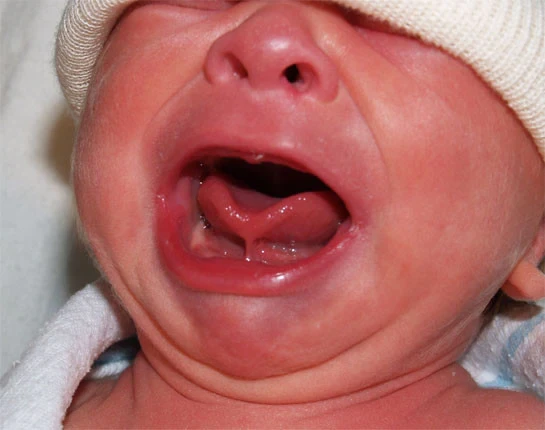
Tongue-tie, also known as ankyloglossia, is a condition where the tissue under the tongue is shorter or tighter than usual. This can limit how the tongue moves. One of the early signs of tongue-tie is difficulty moving the tongue freely, which may affect feeding and other oral functions.
The tongue plays an important role in:
- Breastfeeding and bottle feeding
- Swallowing
- Breathing
- Healthy oral development
Some babies with tongue-tie have no symptoms, while others may experience feeding difficulties and discomfort.
How Can Tongue-Tie Affect Sleep?
Feeding and sleep are closely connected. If a baby has a feeding problem, they may not get enough milk during each feeding session. As a result, they may wake more often because they become hungry sooner.
Restricted tongue movement may also affect how the tongue rests in the mouth, which can have an impact on breathing throughout sleep in some in some babies. While this does not happen in every case, healthcare professionals may consider tongue-tie when feeding and sleep problems occur together.
Signs Parents Should Watch For
Every baby is different, but it may be helpful to speak with your healthcare provider if your baby has several of these signs:
- Frequent night wakings
- Restless sleep
- Noisy breathing or light snoring
- Poor latch during breastfeeding
- Long feeding sessions
- Clicking sounds while feeding
- Slow weight gain
- Mouth breathing during sleep
Looking at the overall pattern is more helpful than focusing on just one symptom.
What Should Parents Do?
If your baby has both feeding and sleep challenges, don’t ignore them.
Here are a few simple steps:
- Talk to your pediatrician about both feeding and sleep concerns.
- Ask if your baby’s tongue movement should be evaluated.
- Work with a lactation consultant if breastfeeding is difficult.
- Keep track of your baby’s feeding habits and weight gain.
A complete feeding and oral function assessment can help determine whether tongue-tie or another condition is affecting your baby.
Will Treating Tongue-Tie Improve Sleep?
If tongue-tie is contributing to feeding difficulties, tongue tie treatment for infants may help improve feeding, which can also support better sleep for some babies. Treatment is only recommended after a thorough evaluation by a qualified healthcare provider and is based on each baby’s individual needs.
In some cases, a healthcare provider may recommend an operation for tongue-tie if restricted tongue movement is significantly affecting feeding or oral function. The decision is always based on a professional assessment and the baby’s specific symptoms.
However, sleep depends on many factors, including growth, hunger, illness, and normal development. Tongue-tie treatment should not be seen as a guaranteed solution for every sleep problem. Your healthcare provider can recommend the best approach based on your baby’s individual needs.
Final Thoughts
Sleep problems are common in newborns, but ongoing feeding and sleep challenges should not be ignored. While tongue-tie is not always the cause, it may be one factor affecting your baby’s feeding, comfort, and sleep.
If your baby struggles with both feeding and sleep, an early evaluation can help identify the cause and provide the right support. Getting answers early can make the breastfeeding journey easier and help your baby thrive.
Frequently Asked Questions
01. Does tongue-tie cause sleep problems?
Tongue-tie can contribute to sleep difficulties in some babies by affecting feeding and breathing. However, it is not the cause of every sleep issue.
02. Is it normal for babies to snore?
Occasional noises can be normal. However, regular snoring or noisy breathing, especially when combined with feeding problems, should be discussed with your pediatrician.
03. Who should evaluate my baby?
Start with your pediatrician. They may recommend seeing a lactation consultant, pediatric dentist, or ENT specialist if needed.