



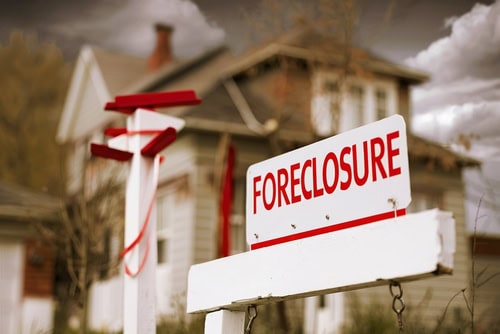
Why Many Homeowners Fall Behind on Mortgage Payments
Homeownership comes with financial responsibilities that can become difficult after income changes, medical expenses, divorce, or unexpected emergencies. Missing one mortgage payment may seem manageable at first, but late fees and accumulated balances can quickly place homeowners at risk of foreclosure.
Many people spend months trying to catch up before speaking with a bankruptcy attorney. During that time, they may drain savings accounts, borrow from retirement funds, or rely on credit cards to cover household expenses. Once foreclosure notices begin arriving, the stress often affects every part of daily life.
Chapter 13 bankruptcy was created for individuals who need time to reorganize debt while protecting important assets. Unlike Chapter 7 bankruptcy, which focuses on debt discharge, Chapter 13 allows eligible individuals to enter a court-supervised repayment plan. For homeowners facing foreclosure, this process may create an opportunity to keep their property while resolving past-due mortgage payments over time.
How Foreclosure Develops Over Time
Mortgage lenders usually begin collection activity after several missed payments. Homeowners may receive warning letters, default notices, and communication from attorneys representing the lender. As unpaid balances grow, the risk of foreclosure increases.
Florida foreclosure proceedings move through the court system, which means lenders must follow legal procedures before forcing a property sale. Even so, the timeline can move quickly once a case begins. Many homeowners contact a bankruptcy lawyer after realizing they cannot resolve the arrears through temporary payment arrangements alone.
In some cases, individuals continue to make payments on credit cards or personal loans while falling behind on housing expenses. This often creates additional financial pressure without solving the underlying problem. A Chapter 13 filing may allow homeowners to prioritize mortgage repayment while reducing other unsecured debt obligations.
How Chapter 13 Bankruptcy Stops Foreclosure
Filing Chapter 13 bankruptcy immediately triggers the automatic stay. This legal protection temporarily stops foreclosure actions and prevents lenders from continuing collection efforts during the bankruptcy process.
Repayment Plans for Past Due Mortgage Balances
Chapter 13 bankruptcy allows homeowners to repay mortgage arrears over a structured repayment period that commonly lasts three to five years. Instead of paying the entire delinquent amount immediately, the court approves a manageable monthly plan that spreads the missed payments.
Homeowners must continue making their current mortgage payments while also making payments toward the repayment plan. For many families, this structure provides some flexibility and prevents foreclosure from moving forward.
A bankruptcy attorney reviews income, debts, household expenses, and property details before filing the case. The repayment plan must reflect the individual’s financial ability to maintain ongoing obligations while addressing past-due balances.
Protection From Collection Activity
The automatic stay also stops many other collection actions tied to financial hardship. Credit card lawsuits, collection calls, wage garnishment attempts, and creditor harassment are generally paused during the bankruptcy case.
This legal protection gives individuals time to reorganize their finances without facing constant pressure from multiple creditors simultaneously. Many homeowners describe this stage as the first period of financial stability they have experienced in months or years.
Benefits Beyond Stopping Foreclosure
Chapter 13 bankruptcy may help homeowners handle additional debt issues beyond mortgage delinquency. Some individuals use the process to manage tax debt, vehicle loan balances, or unsecured obligations that interfere with monthly budgeting.
Structured Debt Management
A repayment plan creates predictable payment terms that can make household budgeting easier. Instead of responding to multiple creditors with different due dates and demands, filers make one monthly bankruptcy plan payment through the court-approved system.
Many homeowners also appreciate having legal representation during communications with lenders and creditors. A bankruptcy lawyer can address court filings, creditor objections, and repayment negotiations while helping clients remain compliant with bankruptcy requirements.
Time to Rebuild Financial Stability
Foreclosure often creates emotional and financial uncertainty for families. Chapter 13 bankruptcy may provide enough time for homeowners to stabilize income, reorganize spending habits, and recover from temporary financial setbacks.
Some people enter bankruptcy after job interruptions or medical emergencies that later improve. Others use the repayment period to gradually reduce debt while protecting home equity and avoiding forced relocation.
Common Misunderstandings About Chapter 13 Bankruptcy
Some individuals avoid speaking with a bankruptcy attorney because they believe bankruptcy permanently ruins financial opportunities. In reality, many people begin rebuilding credit during or shortly after completing a Chapter 13 repayment plan.
Others assume filing for bankruptcy means losing all personal property. Chapter 13 is specifically designed to help individuals retain assets while repaying debts through court supervision. The process focuses on repayment and financial reorganization rather than liquidation.
Legal guidance matters because every financial situation involves different risks, income levels, and property concerns. Filing the wrong chapter or delaying action may limit available options for stopping foreclosure.
Frequently Asked Questions
Can Chapter 13 bankruptcy stop a foreclosure sale?
Yes. Filing Chapter 13 bankruptcy generally stops foreclosure activity immediately through the automatic stay, including scheduled foreclosure sales.
How long does a Chapter 13 repayment plan last?
Most Chapter 13 repayment plans last between three and five years, depending on income and debt obligations.
Will I lose my house if I file Chapter 13 bankruptcy?
Chapter 13 bankruptcy is often used specifically to help homeowners keep their property while repaying past-due mortgage balances over time.
Should I contact a bankruptcy lawyer before foreclosure court dates?
Speaking with a bankruptcy lawyer early may provide more options for protecting property and organizing debt before foreclosure proceedings advance further.
Legal Support for Homeowners Facing Foreclosure
Mortgage delinquency can create financial and emotional pressure that affects entire households. Working with a bankruptcy attorney may help homeowners understand whether Chapter 13 bankruptcy offers a realistic way to stop foreclosure and reorganize debt. Individuals searching for a bankruptcy lawyer in Tampa, FL, can contact Weller Legal Group to discuss their legal options and financial concerns.