



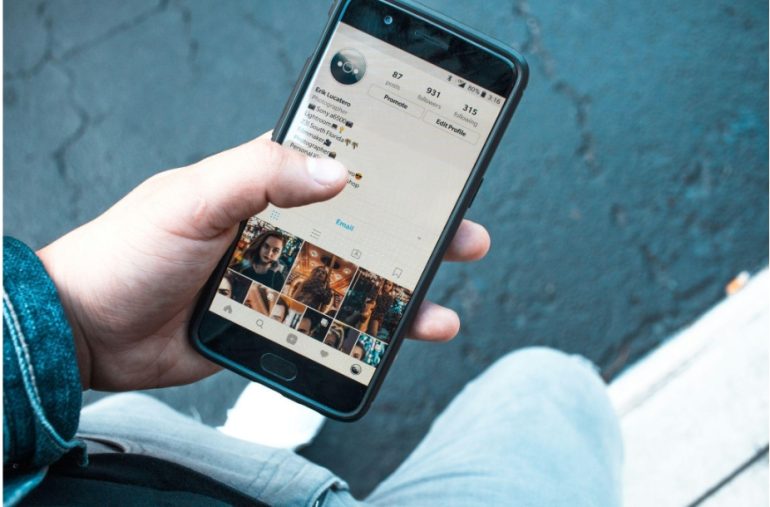
A smiling photo after an accident may seem harmless. So can a short comment saying you are “doing okay.” But during a personal injury claim, insurers may look at those posts differently. A personal injury lawyer, Boynton Beach, FL residents consult may explain that online activity can become part of the dispute.
Posts, photos, comments, tags, check-ins, and videos may all be reviewed during a claim. Social media does not automatically ruin a case, but it can create avoidable problems. This article explains how online activity may be used and what injured people can do to protect their claim.
Why Social Media Matters in a Personal Injury Claim
Personal injury claims often involve questions about pain, mobility, work limits, medical treatment, and daily life. Insurance companies and defense attorneys may compare social media activity with medical records, statements to adjusters, deposition testimony, and claimed limitations.
Public posts, photos, videos, comments, tagged content, and even private messages may be requested in litigation when they relate to injury, pain and suffering, or damages. Courts may limit overbroad requests, but privacy settings do not always prevent relevant posts from being produced in discovery.
What Types of Posts Can Be Used Against You?
Some posts create more risk than others, based on the context.
Activity photos can cause disputes. A gym photo, beach outing, vacation picture, dancing video, or sports post may be used to argue that injuries are not as serious as claimed. The photo may not show pain later that night, but the insurer may still use it.
Comments about the accident can also hurt. Statements like “I’m fine” or “it was not that bad” may be taken literally, even if the person was trying to reassure friends.
Check-ins and location tags can raise questions about missed work or activity limits. A short outing may be portrayed as proof of full recovery.
Tagged posts matter too. A claimant may avoid posting, but a friend’s photo or comment can still create issues.
Private Accounts Are Not Always Fully Protected
Opposing counsel may request relevant social media content during discovery. Courts generally weigh privacy concerns against the need for information relevant to the claims.
In a Florida federal personal injury case, the court allowed limited social media discovery where the plaintiff’s physical and mental condition were at issue, while narrowing the scope of the request. That kind of ruling shows the balance courts may apply: relevant posts can be discoverable, but requests should not become unlimited access to a person’s private life.
How Insurance Companies Interpret Social Media Activity
Insurers may use posts to argue that the injury is less severe, recovery was faster than claimed, the person can work, or pain and suffering is overstated. They may also use posts to point out inconsistencies between what someone says online and what appears in medical records.
That does not mean every post tells the whole story. A person may smile in a photo and still be in serious pain. The problem is that social media captures moments, not the full recovery process. Those moments can still complicate settlement talks.
Florida Comparative Fault and Credibility Issues
Social media can also affect how fault is discussed. Posts about speed, alcohol, distractions, or activities before the incident may be used to challenge the account of how the accident happened.
Florida Statute § 768.81 sets out the state’s comparative fault rule. In many negligence cases, damages are reduced by the claimant’s percentage of fault, and a claimant found more than 50% at fault generally cannot recover damages. Inconsistent online comments may affect how fault and damages are evaluated.
Should You Delete Old Posts?
Do not delete posts after a claim begins without legal guidance. Deleting content may raise suspicions or cause problems, especially if the post could be relevant to the case.
A safer approach is to stop posting about the accident, preserve existing content, and consult legal counsel on anything that may be misunderstood. The goal is not to hide evidence. It is to avoid creating new issues while the claim is pending.
How a Personal Injury Lawyer in Florida Can Help With Social Media Concerns
A personal injury lawyer in Florida can help clients understand which online activities may pose a risk. Legal counsel may prepare clients for discovery, respond to overbroad requests, explain the context behind misleading posts, and, where possible, protect privacy interests.
A personal injury lawyer in Boynton Beach, FL, can help you understand how online activity may affect your claim before insurers or defense attorneys use it out of context.
Practical Social Media Rules During a Claim
The simplest rule is to pause posting until the case is resolved. Ask friends not to tag you. Tighten privacy settings, but remember they are not foolproof. Avoid unknown friend requests, and do not discuss injuries, treatment, fault, or settlement online.
Keep conversations about the claim between you and your attorney. That protects the record and reduces the chance of a post being misunderstood.
Conclusion
Social media posts can affect a personal injury claim in Boynton Beach. Even innocent photos, comments, or tags may be read differently by insurers looking for inconsistencies.
Careful online behavior matters. So do honesty and consistency. If you are unsure whether a post could affect your claim, it is better to ask before posting. Get guidance early and connect with FK Legal to help protect your case and reduce avoidable disputes.
FAQ
Can private social media posts be used in a personal injury case?
Yes. Private content may be requested through discovery if it is relevant to the injuries, damages, or claims at issue.
Should I delete posts after filing an injury claim?
No. Deleting posts may create problems. Ask an attorney before making changes to existing content.