



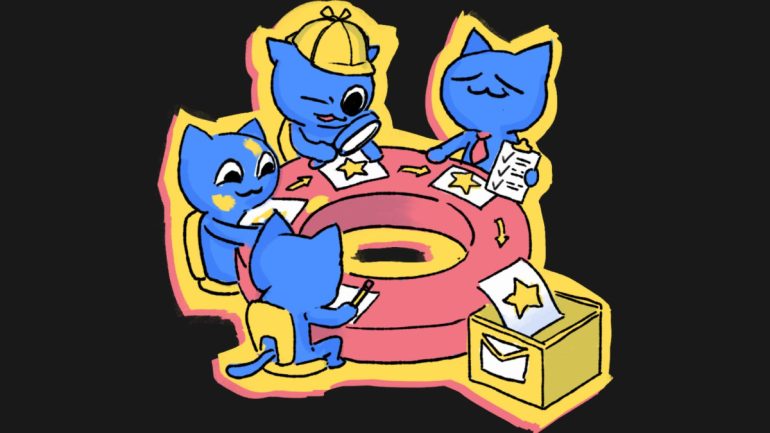
Nobody sets out to run a bad outsourcing project. The mistakes that sink these engagements are almost never dramatic; they’re small assumptions made early that quietly compound. A missing line in a brief. A test skipped to save a week. An owner never assigned. By the time the symptoms show up as blown deadlines and endless revisions, the root cause is usually three decisions back. The good news is that the failure patterns are predictable, which means they’re avoidable. Here are the ones that trip up studios most often and what to do instead.
1. Writing a brief that leaves too much to interpretation
The single most common cause of art rework is a brief that assumes shared context. Your internal team knows the style rules, the technical constraints, and what “on-model” means. An external team knows none of it unless you write it down. A reference folder and a deadline aren’t a brief. Asset purpose, style guardrails, resolution and file-format requirements, engine target, poly budgets, naming conventions, and review rhythm all need to be explicit. When they’re missing, the vendor fills the gaps with guesses, and every wrong guess becomes a revision cycle you pay for twice.
There’s a simple test for brief quality: hand it to someone on your team who wasn’t in the kickoff and ask them to describe the asset back to you. If their description drifts from what you pictured, the brief is thin, and an external artist a few time zones away will drift further. Written acceptance criteria—what specifically makes an asset approvable—fix most of this before a single file is produced.
2. Skipping the paid test batch
Teams under deadline pressure often commit a full asset list to a vendor they’ve never worked with, based on a portfolio and a call. It feels efficient. It isn’t. One paid test asset—representative, not cherry-picked—tells you what months of sample-scrolling can’t: how the team handles feedback, whether their files fit your structure, and how fast they improve. Before you commit a full batch to a game art services team, spend a little to watch them work under your actual direction. A vendor that improves sharply between the first and second pass is worth more than one whose opening submission looks clean but who bristles at notes.
3. Running the project without one clear owner
Outsourced art fails on communication far more than on craft. A widely cited, if now decade-old, Project Management Institute report found that 56% of project dollars are put at risk by ineffective communication. The pattern is familiar: feedback scattered across email, chat, and call notes; no single person accountable for approvals; the vendor unsure whose comment overrides whose. The cost is real. Studios in this position routinely report tens of thousands of dollars in rework, plus schedule slips that ripple into launch dates and lost revenue. Assign one owner. Set a fixed review cadence. Put acceptance criteria in writing before an asset enters a sprint.
4. Blurring the line between art and development
Not every art vendor is set up to handle engineering, and assuming otherwise causes late-stage surprises. A studio brilliant at 2D character work may not be equipped for shader optimization, engine integration, or gameplay-facing tools. If your roadmap needs both, decide early whether you want an art specialist alongside your own engineers or a partner offering custom game development services that keeps art and code on one schedule. The mistake isn’t choosing one model over the other—it’s discovering the gap at integration, when a beautiful asset won’t perform in-engine and nobody scoped who owns the fix.
5. Treating IP and source files as a formality
Source-file ownership is the detail teams skip in the rush of starting and then fight over at the end. Who owns the working files, not just the final exports? Can you hand them to a different vendor next year without a rebuild? Are the assets cleared for commercial use across every platform and region you ship on? What happens to the files if the vendor folds or the relationship ends badly? Settle these in the contract, not the retrospective. It’s a fifteen-minute conversation up front that prevents a genuinely expensive legal headache later, and any serious partner will have clear answers ready.
What Separates the Projects That Ship
Look back at those small early decisions. The thin brief, the skipped test, the missing owner, the handshake on file rights—each felt minor in the moment, which is exactly why they slip through. Studios that run clean outsourcing engagements aren’t luckier or better funded. They’re more disciplined about the unglamorous parts: writing the brief fully, testing before committing, naming an owner, and settling ownership in writing. None of it is complicated. All of it is easy to postpone under deadline pressure. The teams that stop postponing are the ones whose assets show up on time, on-model, and ready for the engine, while everyone else is still explaining what went wrong three decisions ago.
Frequently Asked Questions
What’s the most common game art outsourcing mistake?
An incomplete brief. Most rework traces back to missing context the internal team assumed was obvious. Documenting asset purpose, style rules, technical specs, and review cadence before work starts prevents the majority of avoidable revision cycles. It’s unglamorous, but it’s the single highest-return hour you’ll spend on the whole engagement.
How do I prevent scope creep in an outsourced art project?
Define written acceptance criteria for each asset type and tie them to milestones. If a task lacks a clear definition of “done,” it shouldn’t enter production. Fixed review points and one accountable owner keep small changes from quietly expanding into a new project. When new requests appear mid-flight, log them as change orders rather than absorbing them silently into the current scope.
Is it risky to outsource art for a live-service game?
It carries more risk than a one-off, because live titles need ongoing drops and consistent style over time. The fix is a dedicated team that retains context between updates, plus documentation strong enough that a new artist can match the existing look without guesswork. Continuity of people matters here — high turnover on the vendor side is what erodes visual consistency across months.
How much rework should I expect on outsourced art?
Some revision is normal and healthy—expect a few passes per asset as direction sharpens. What’s not normal is repeated rework on the same issues, which signals a brief or communication problem rather than an art one. Track revision counts per asset; a rising trend is an early warning that something upstream needs fixing before it spreads across the batch.