



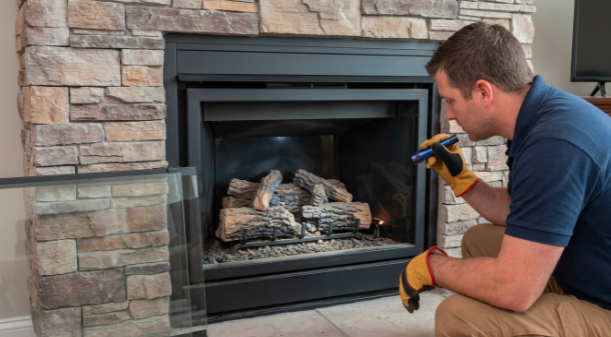
A gas fireplace is one of the most convenient and efficient ways to bring warmth and comfort into a home. Unlike traditional wood-burning fireplaces, it requires less effort, produces fewer residues, and offers better control over heat output. However, to keep it operating safely and efficiently, proper maintenance is essential. One of the most important maintenance tasks is gas fireplace cleaning, which ensures that the system remains free from dust buildup, blockages, and performance issues that could affect both safety and efficiency. In this detailed guide, you will learn why cleaning matters, how to do it properly, what safety precautions to follow, and how regular care can extend the life of your fireplace.
Why Regular Cleaning Matters for Gas Fireplaces
Keeping a gas fireplace clean is not just about appearance; it is about safety, performance, and long-term durability. Over time, dust, soot, and debris can accumulate inside the firebox, on burners, and around vents. This buildup can interfere with flame quality, reduce heat efficiency, and in some cases create safety hazards. When people neglect maintenance, they often notice uneven flames, strange odors, or difficulty igniting the fireplace. These are early warning signs that the system needs attention. Regular gas fireplace cleaning helps eliminate these issues before they become serious problems. Another important reason for cleaning is air quality. Even though gas fireplaces burn cleaner than wood-burning ones, they still produce byproducts that can circulate in indoor air if vents or components are blocked.
Understanding How a Gas Fireplace Works
To properly understand maintenance, it is important to know how a gas fireplace operates. A typical unit includes a burner system, gas supply line, ignition system, ceramic logs, and ventilation components. When the fireplace is turned on, gas flows through the burner ports and is ignited either by a pilot light or an electronic ignition system. The flames then pass through ceramic logs designed to distribute heat and create a natural-looking fire effect. Over time, dust particles, carbon deposits, and environmental debris can accumulate on these components. This is why gas fireplace cleaning is not just cosmetic but functional, ensuring each part continues to perform its role correctly.The burner ports are particularly important because they regulate flame distribution. If even a few ports become blocked, the flame pattern becomes uneven, reducing both efficiency and visual appeal. Similarly, ceramic logs can collect dust that affects flame interaction, making the fire appear dull or inconsistent. Regular inspection and cleaning help prevent these issues from developing.
Essential Tools and Preparation Before Cleaning
Before starting the cleaning process, it is important to gather the right tools and take proper precautions. You typically need soft brushes, a vacuum with a hose attachment, microfiber cloths, mild soap, gloves, and safety goggles. The first step is always to turn off the gas supply and allow the fireplace to cool completely. Safety should never be compromised.Once everything is cool and shut off, you can begin disassembling removable parts like glass panels or decorative logs. Proper preparation is the foundation of gas fireplace cleaning, ensuring that each step is carried out safely and effectively. It is also recommended to keep a soft container or labeled area for parts so reassembly is easy and accurate.
Step-by-Step Cleaning Process for Better Performance
Start by removing the glass front panel and gently cleaning it with a non-abrasive glass cleaner. This helps remove soot film that builds up over time and restores clear visibility of the flames. Next, carefully remove ceramic logs and place them in the correct order to avoid confusion during reassembly.Use a vacuum with a soft brush attachment to clean the firebox interior. Focus on corners, edges, and burner areas where dust tends to settle. Avoid using strong suction directly on delicate components. The goal is to remove loose debris without disturbing the internal setup.The burner ports are one of the most critical areas during gas fireplace cleaning. These small openings allow gas to escape evenly and create a balanced flame. Use a soft brush or compressed air to gently clear any blockages. Never use sharp objects, as they can damage the burner.After cleaning internal components, wipe all surfaces with a damp microfiber cloth. Allow everything to dry fully before reassembly. Once reassembled, turn on the fireplace and observe the flame pattern to ensure everything is functioning correctly.
Deep Cleaning vs Basic Cleaning
There are two levels of maintenance for gas fireplaces: basic cleaning and deep cleaning. Basic cleaning includes wiping glass, removing dust, and checking visible components. This should be done regularly, especially during heavy usage seasons.Deep cleaning involves removing more components, inspecting burner systems, checking ventilation pathways, and ensuring that no hidden buildup exists inside the system. This level of gas fireplace cleaning is typically done once or twice a year depending on usage.Deep cleaning is important because some issues are not visible during surface cleaning. Internal dust buildup or minor blockages can gradually affect performance without obvious signs until the problem becomes more serious.
Common Mistakes to Avoid During Cleaning
Many homeowners unintentionally damage their fireplaces by making avoidable mistakes. One common mistake is using abrasive materials on glass or metal parts, which can cause scratches and permanent damage.Another mistake is skipping burner port cleaning. Even a small blockage can affect flame consistency and reduce efficiency. Some users also forget to reassemble logs in their correct positions, which can disrupt flame patterns.A major mistake is neglecting regular maintenance altogether. Waiting until a problem appears makes cleaning more difficult and increases repair costs. Consistent gas fireplace cleaning is far more effective than occasional deep fixes.
Safety Measures to Follow While Cleaning
Safety is the most important part of maintenance. Always ensure the fireplace is completely cool before beginning work. Gas supply must be turned off at the source, not just at the control switch.Proper ventilation should be maintained throughout the cleaning process. Wearing gloves protects your hands from dust and cleaning agents, while safety goggles prevent irritation from airborne particles.Never attempt to modify internal gas components unless you are qualified. If you notice unusual smells, leaks, or inconsistent flames during gas fireplace cleaning, stop immediately and contact a professional technician.
How Often Should Cleaning Be Done
The frequency of cleaning depends on usage and environment. For most households, basic cleaning every two to three months is sufficient during active seasons. However, households with frequent use may require monthly attention.Deep inspection and servicing should be done at least once a year. This ensures that all internal systems are functioning properly and that no hidden issues are developing.Homes with pets, dust, or high usage rates may require more frequent gas fireplace cleaning to maintain optimal performance.
Benefits of Regular Maintenance
Regular cleaning provides several long-term benefits. First, it improves efficiency by ensuring that gas burns evenly and completely. This reduces fuel consumption and increases heat output.Second, it improves safety by preventing blockages and ensuring proper ventilation. Clean systems reduce the risk of incomplete combustion and related issues.Third, it extends the lifespan of the fireplace. Components that are cleaned regularly experience less wear and tear, leading to fewer repairs and replacements.Finally, it enhances appearance. A clean glass panel and steady flame create a more attractive and comfortable environment in the home.
When to Call a Professional
While basic maintenance can be done at home, some situations require professional assistance. If you experience ignition problems, persistent odors, or irregular flame behavior, it may indicate deeper issues.Technicians can inspect gas lines, pressure systems, and ventilation components that are not accessible during regular gas fireplace cleaning. Annual professional servicing is highly recommended even if no problems are visible.Combining professional inspections with regular home cleaning ensures maximum safety and efficiency.
Long-Term Maintenance Strategy
A long-term maintenance plan involves consistent care rather than occasional effort. Keeping the surrounding area dust-free reduces internal buildup. Monitoring flame color and behavior helps detect early warning signs of issues.Cleaning the glass before heavy residue builds up makes maintenance easier. Replacing worn parts promptly also ensures system stability.By following these practices, gas fireplace cleaning becomes a simple routine rather than a difficult task.
Environmental and Efficiency Considerations
Gas fireplaces are already more environmentally friendly than many heating systems, but efficiency depends heavily on maintenance. A clean system produces fewer emissions and uses fuel more effectively.Blocked burners or dirty components can increase fuel consumption and reduce heating efficiency. Regular cleaning helps maintain optimal environmental performance and reduces waste.
Conclusion
A gas fireplace is a valuable home feature that provides warmth, comfort, and ambiance. However, it requires consistent care to function properly. Through regular gas fireplace cleaning, homeowners can ensure safety, improve efficiency, and extend the life of their system.From basic surface maintenance to deeper inspections, every step plays an important role in keeping the fireplace in top condition. When combined with professional servicing and good daily habits, maintenance becomes simple and highly effective.With proper attention and routine care, a gas fireplace will continue to provide reliable warmth and comfort for many years while maintaining both beauty and performance.