



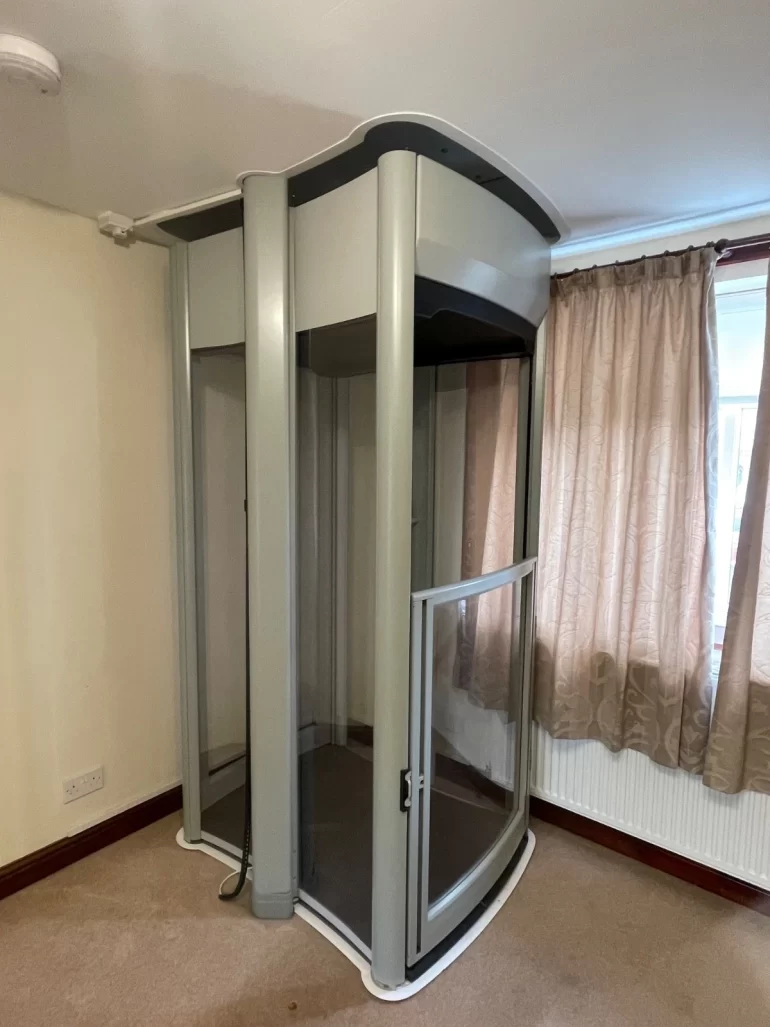
As residential architecture leans toward verticality and multi-generational living, many homeowners are asking what it truly takes to bring a lift into their living space. The installation of home elevators is no longer a simple “plug-and-play” appliance purchase; it is a sophisticated structural project that requires a balance of financial planning and engineering insight. If you are considering this upgrade in 2025, understanding the trifecta of cost, space, and technical requirements is essential to ensuring a smooth and successful transition to vertical living.
Understanding the Financial Investment
The first question on every homeowner’s mind is invariably about the budget. In 2025, the cost of installing a residential lift can vary significantly based on technology and design. On average, a standard two-stop elevator system typically ranges from $30,000 to $75,000, including both the equipment and professional installation.
However, it is important to distinguish between the “sticker price” and the “all-in” cost. Beyond the elevator itself, you must account for:
- Civil Works: This includes the construction of the hoistway (the shaft), cutting through floors, and building a pit. Depending on your home’s structure, this can add $10,000 to $20,000 to the project.
- Electrical Upgrades: Most modern systems require a dedicated 220V power supply and a phone line for emergency communication.
- Permits and Inspections: Local municipalities often require building permits and a final safety certification, which can range from $500 to $2,000.
Space Planning and Floor Layout
One of the most common myths is that you need a massive mansion to fit an elevator. In reality, modern engineering has made home elevators remarkably compact. A standard residential cab is approximately 3 feet by 4 feet or 36 inches by 48 inches. When you include the shaft walls, you are looking at a total footprint of roughly 5 feet by 5 feet.
For homes where space is at a premium, “shaftless” or “vacuum” elevators are an excellent alternative. These models travel through a simple hole in the floor and require a footprint of as little as 10 to 15 square feet. They are perfect for retrofitting into existing layouts, often fitting neatly in the corner of a room or even within the center of a spiral staircase.
Technical and Structural Requirements
Before the first bolt is tightened, your home must meet several technical benchmarks.
- Pit Depth: Traditional hydraulic or traction elevators usually require a “pit”, a depression in the ground at the lowest level, about 6 to 12 inches deep to house the mechanical components when the cab is at the bottom floor.
- Overhead Clearance: At the top floor, the elevator needs “breathing room” above the cab for the motor or pulleys. Usually, a standard 8-foot to 9-foot ceiling is sufficient for most modern MRL (Machine-Room-Less) designs.
- Load-Bearing Support: The shaft must be built with structural integrity to support the weight of the cab and its passengers. This often involves reinforced wooden studs or masonry walls, depending on the elevator type.
Conclusion
Installing home elevators is a transformative project that bridges the gap between luxury and utility. By carefully weighing the costs against the long-term benefits of accessibility and property value, and by ensuring your home meets the necessary space and structural requirements, you can create a seamless vertical transition that serves your family for a lifetime.
Frequently Asked Questions
- Can I install an elevator in a 100-year-old home? Yes. Retrofitting isvery common. While it may require more structural reinforcement than a new build, specialized models like pneumatic vacuum lifts are designed specifically for older homes because theydon’t require a deep pit or a dedicated machine room.
- How long does the actual installation take? Once the shaft is constructed by your contractor, the elevator company typically takes 3 to 7 working days to install the mechanical components, wiring, and the cab itself.
- What is the most energy-efficient type of elevator? Pneumatic vacuum elevators and traction elevators with regenerative drives are the most eco-friendly. Some pneumatic models usevery littlepower to go up and virtually zero power to descend, using air pressure and gravity instead.
- Will it be noisy duringoperation? Modern high-end systems are designed for residential use andoperate at roughly 45 to 55 decibels, which is quieter than a typical conversation or a background television.