


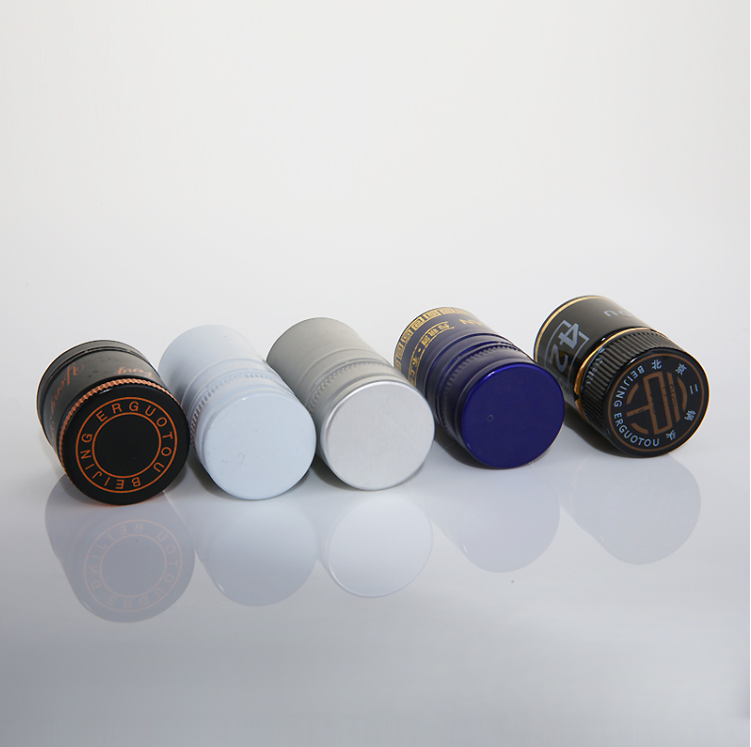
Cork stoppers seem simple at first glance. They are small, round, and made from natural bark. Yet size matters a great deal when it comes to choosing the right cork for a bottle. A cork that is too small will not seal properly. A cork that is too large will not fit at all. This guide walks through the details of cork sizing, so you can choose with confidence.
Understanding Cork Stopper Sizes
Cork size is not random. It follows a set of standard measurements that manufacturers use across the industry. Two numbers matter most, diameter and length. Diameter tells you how wide the cork is before it goes into the bottle neck. Length tells you how tall the cork stands once it is fully seated. Both numbers work together to create a proper seal.
Bottle necks are not all the same width, so cork sizes vary to match them. A cork that is slightly larger than the neck opening is normal. This extra width lets the cork compress and grip the glass tightly. Without this compression, air could slip past the cork and spoil what is inside the bottle.
If you are unsure where to start, it helps to check a trusted resource. Ruisen Bottle’s cork size guide breaks down common measurements in simple terms, so buyers can match corks to bottles without guesswork. It is a useful starting point for anyone new to packaging.
Common Cork Diameters and Lengths
Cork diameters usually range from about 19 millimeters to 26 millimeters. This range covers most standard bottle necks used for bottling small goods. Length tends to fall between 30 millimeters and 45 millimeters, though longer corks exist for special uses.
Smaller bottles, such as those used for oils or essences, often use narrower corks. Larger bottles need wider corks to create a firm seal. Choosing the wrong size can lead to leaks or a cork that snaps during insertion.
Cork thickness also plays a role. Thicker corks resist wear better over time. Thinner corks are easier to remove but may not last as long under repeated use. The right balance depends on how often the bottle will be opened and closed.
How to Measure Cork Size Correctly
Measuring a cork correctly takes just a few steps. First, measure the bottle neck opening at its narrowest point. This is where the cork will need to fit snugly. Use a caliper for accuracy, since a ruler alone can give an uneven reading.
Next, measure the depth of the neck. This tells you how long the cork should be to sit properly without sinking too far or sticking out. A cork that sits too high can break easily. A cork that sinks too low can be hard to remove.
Finally, check the shape of the neck. Some necks taper slightly, while others stay straight. Tapered necks often work better with slightly larger corks, since the taper helps guide the cork into place. Straight necks need a more exact match.
Taking these measurements before ordering saves time and reduces waste. It also prevents the frustration of receiving corks that do not fit the bottles on hand.
Choosing the Right Cork Supplier
Once you know the size you need, the next step is finding a supplier you can trust. A good supplier offers consistent sizing, clear product descriptions, and materials that meet safety standards. Consistency matters most, since even small size variations between batches can cause fitting problems.
Look for suppliers who provide detailed specifications for every cork they sell. This includes diameter, length, and material type. Suppliers who test their products for quality control tend to offer a more reliable experience overall.
For those researching options, https://ruisenbottle.com/ offers a range of cork stoppers with clear sizing details listed for each product. Browsing a catalog like this can help you compare options side by side before making a decision.
It also helps to ask about minimum order quantities and lead times. Some suppliers specialize in small batches for individual projects, while others focus on large scale orders for businesses. Knowing your own needs in advance makes the selection process faster.
Tips for Storing and Using Corks
Cork is a natural material, so it needs proper care to stay in good condition. Store corks in a cool, dry place away from direct sunlight. Heat and moisture can cause corks to warp or crack over time, which affects how well they seal.
Avoid stacking heavy items on top of stored corks. Pressure can flatten them, changing their shape before they are ever used. Keeping corks in their original packaging until needed also helps protect them from dust and damage.
When inserting a cork, use steady and even pressure. Twisting slightly as you push can help the cork slide in smoothly. Forcing a cork in too quickly can cause it to crack or break, especially with natural cork that has small variations in density.
If a cork feels too tight, do not force it. Instead, check the measurements again to confirm you have the right size for your bottle. A properly sized cork should go in with firm, steady pressure, not excessive force.
Conclusion
Cork stopper sizing may seem like a small detail, but it makes a real difference in how well a bottle seals and performs. Knowing the standard diameters and lengths, measuring your bottle necks correctly, and choosing a reliable supplier all play a part in getting the right fit. With the right approach, you can avoid common sizing mistakes and keep your bottles sealed properly for as long as you need them.